Native Plants for Brisbane Gardens
Natives for Brisbane's steamy summers, bone-dry springs and red hillside soils.
What growing in Brisbane actually means
Brisbane gardening has two seasons: "everything is growing too fast" and "nothing has had a drink since June". Most of the rain arrives in summer, often as storms, while winter and spring can go weeks without a decent fall.
That rainfall pattern trips up a lot of gardeners, because most plants sold as "drought tolerant" come from places with dry summers. Brisbane does it backwards, with wet, steamy summers and dry springs. Plenty of tough Western Australian and southern natives don't die of thirst here. They rot in a humid February. Plants from Queensland and northern New South Wales rainforests and coasts are built for exactly this.
Brisbane's soils come in four broad types:
River flats (along the Brisbane River and its creeks): dark alluvial soils, fertile and deep, but prone to flooding.
Red loams: deep, rich and free-draining, and some of the best garden soil in Australia.
The hills and ridges: gravelly red and yellow topsoil over clay. It drains fast on top and stays wet below.
Steep slopes: shallow, gravelly soils, where only tough, deep-rooted plants hang on.
Frost isn't a worry for most of Brisbane. The real tests are humidity, storms and that dry spring.
Top native plants for Brisbane
These are reliable across most of Brisbane. For picks matched to your exact postcode, take the 2-minute quiz.
Trees
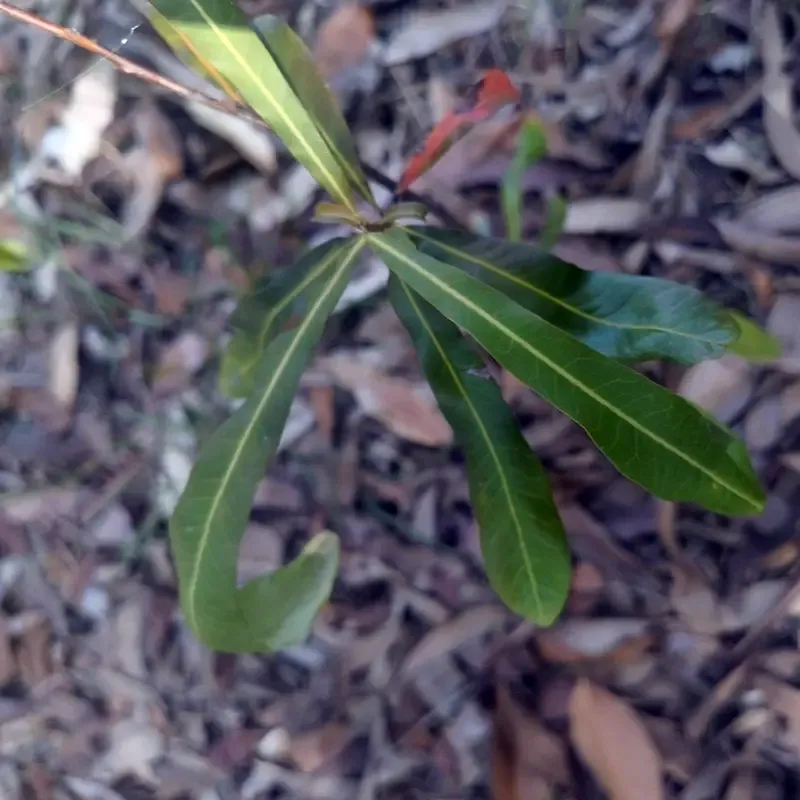
Ivory Curl Flower
Buckinghamia celsissima
Cascades of creamy flower spikes in summer. It's a north Queensland rainforest tree that loves Brisbane.

Water Gum
Tristaniopsis laurina
A neat, shady small tree with flaky bark. It handles wet soil along drains and creek lines.

Lemon Myrtle
Backhousia citriodora
The leaves smell like lemon sherbet when crushed, and you can cook with them.
Flowering shrubs
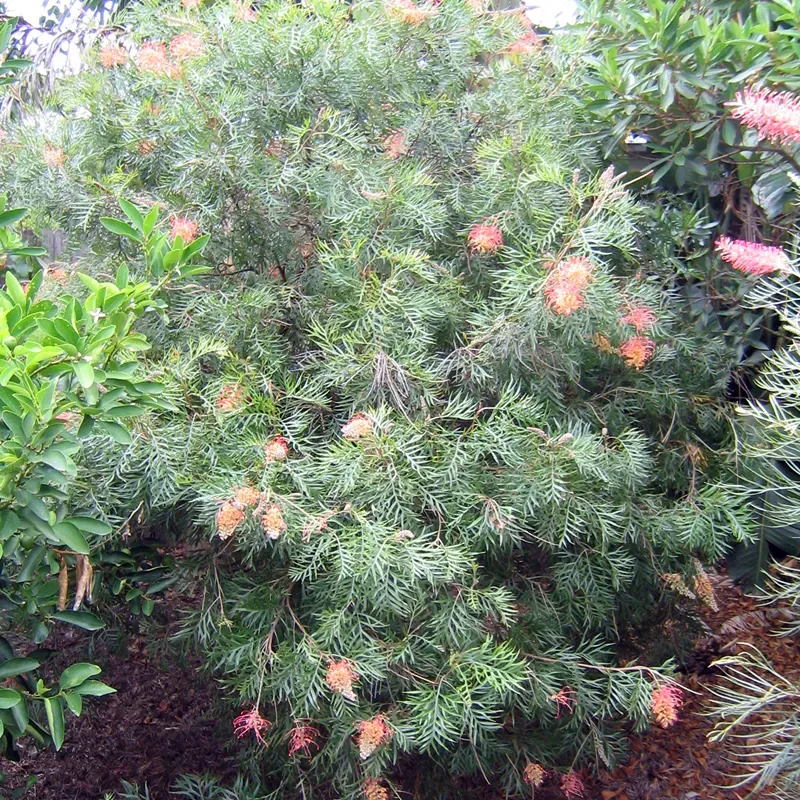
Superb Grevillea
Grevillea 'Superb'
Big apricot-pink flowers nearly all year and a constant stream of honeyeaters. A Brisbane classic.
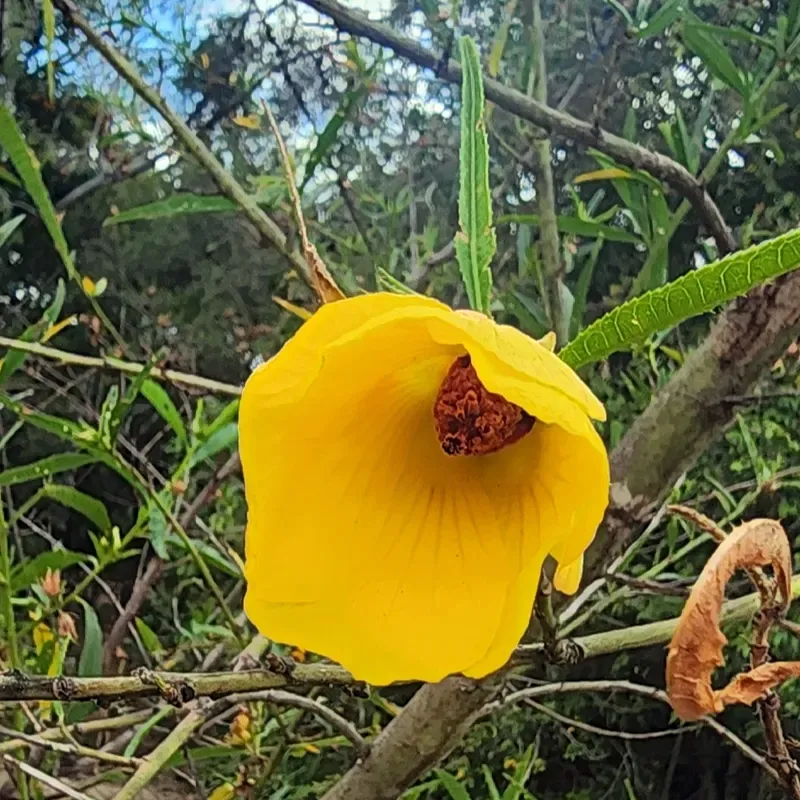
Native Rosella
Hibiscus heterophyllus
Large white or pink hibiscus flowers on a fast-growing shrub.
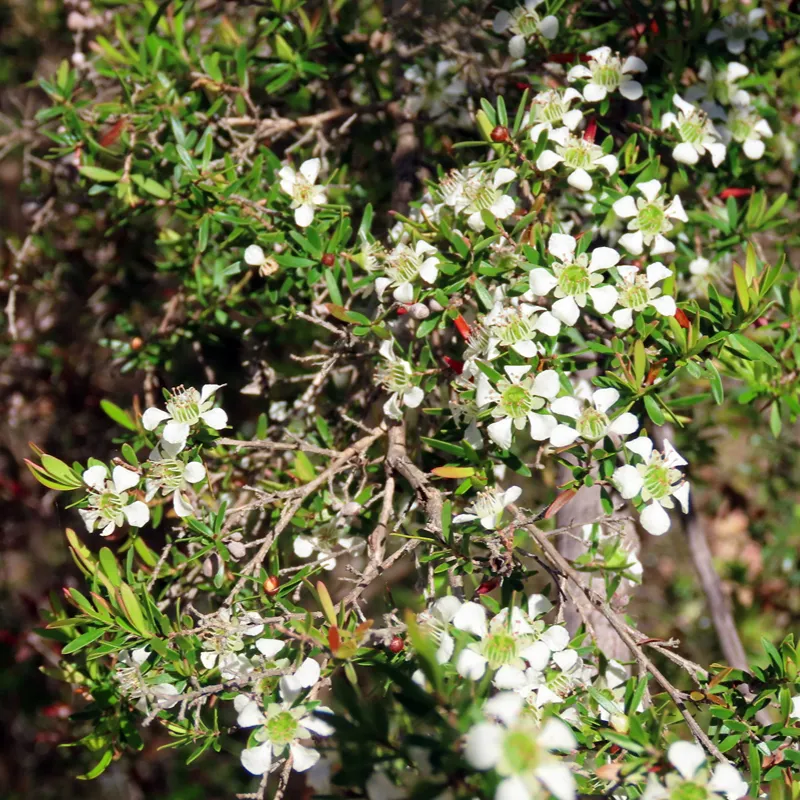
Yellow Tea Tree
Leptospermum polygalifolium
Creamy flowers in spring, and it copes with humidity better than southern tea-trees.
Hedges and screens
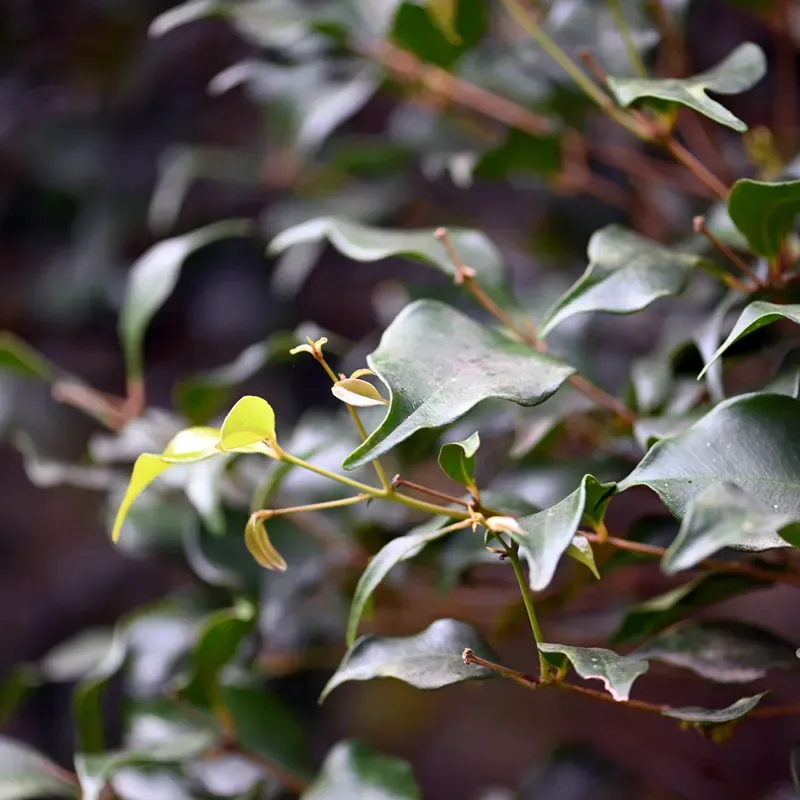
Common Lilly Pilly
Syzygium smithii
A local rainforest tree that clips into a dense screen, with fruit the birds strip in a week.
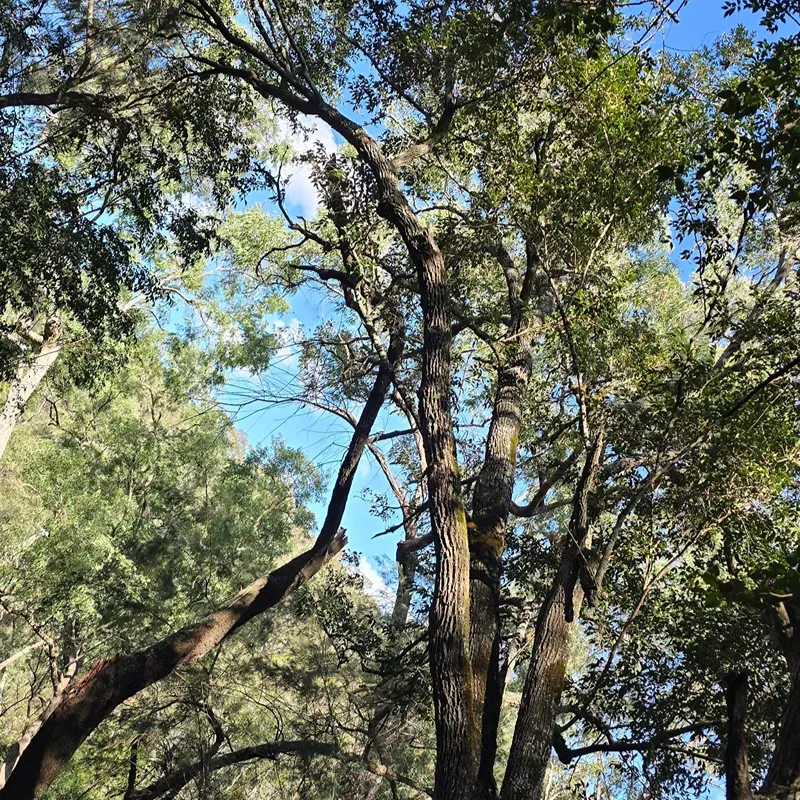
Cinnamon Myrtle
Backhousia myrtifolia
Soft, spicy-scented leaves and fluffy white flowers. A screen that smells good when you brush past it.
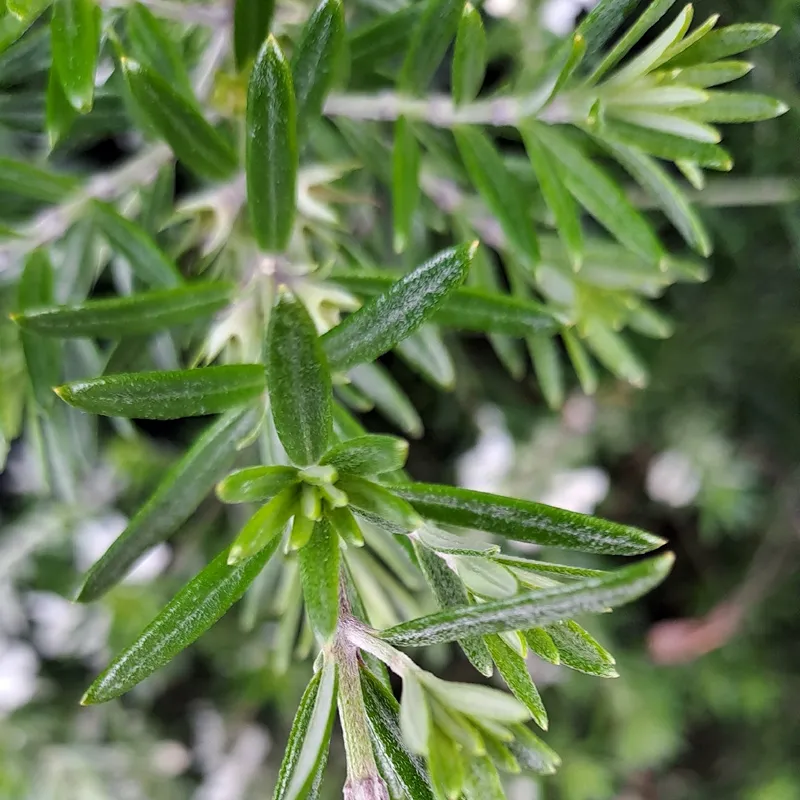
Coastal Rosemary
Westringia fruticosa
For the dry, sunny spots where rainforest plants sulk.
Ground covers
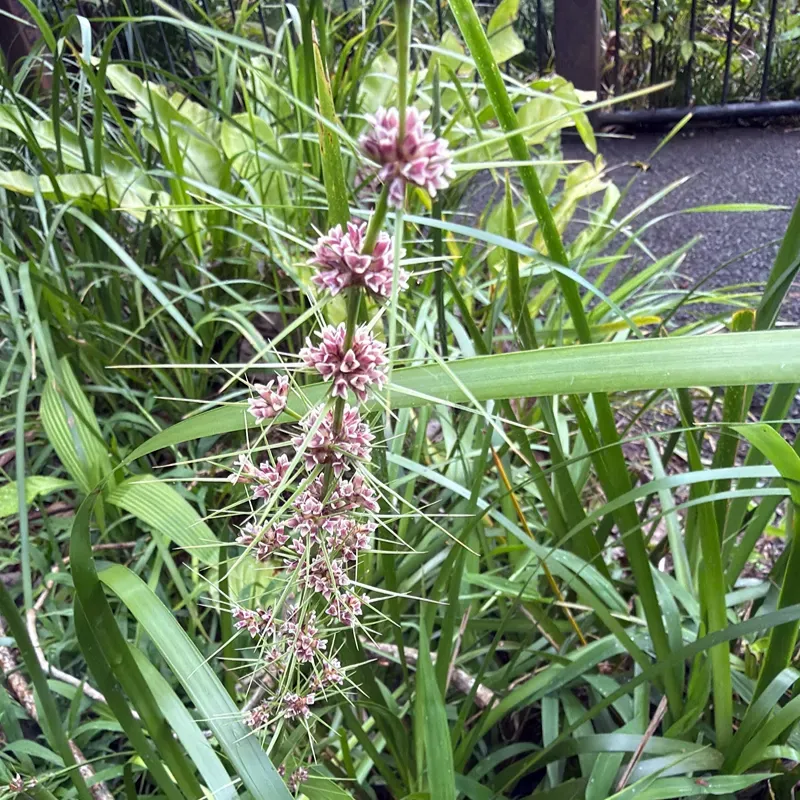
Green Mat-rush
Lomandra hystrix
A tough clumping plant for wet spots, drains and creek edges.
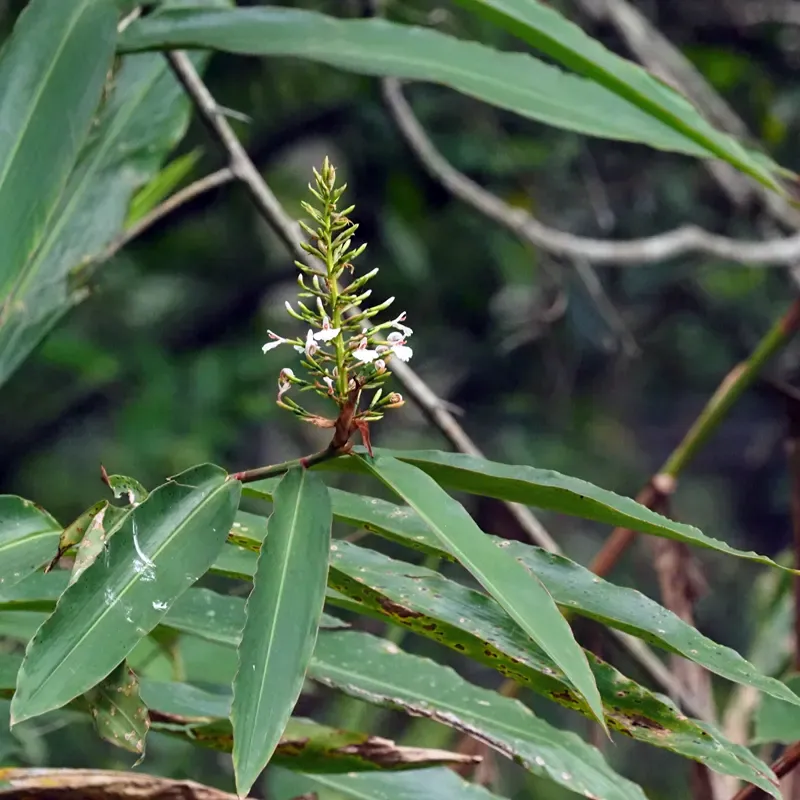
Native Ginger
Alpinia caerulea
Broad leaves, then brilliant blue berries. It's built for shade.
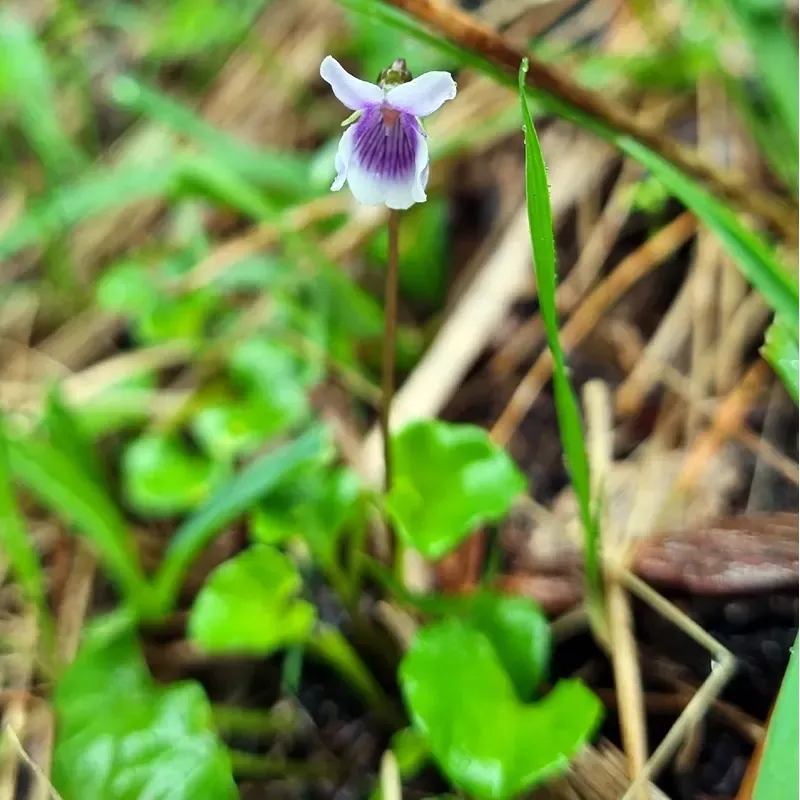
Native Violet
Viola hederacea
A soft, spreading mat for moist shade.
Icons
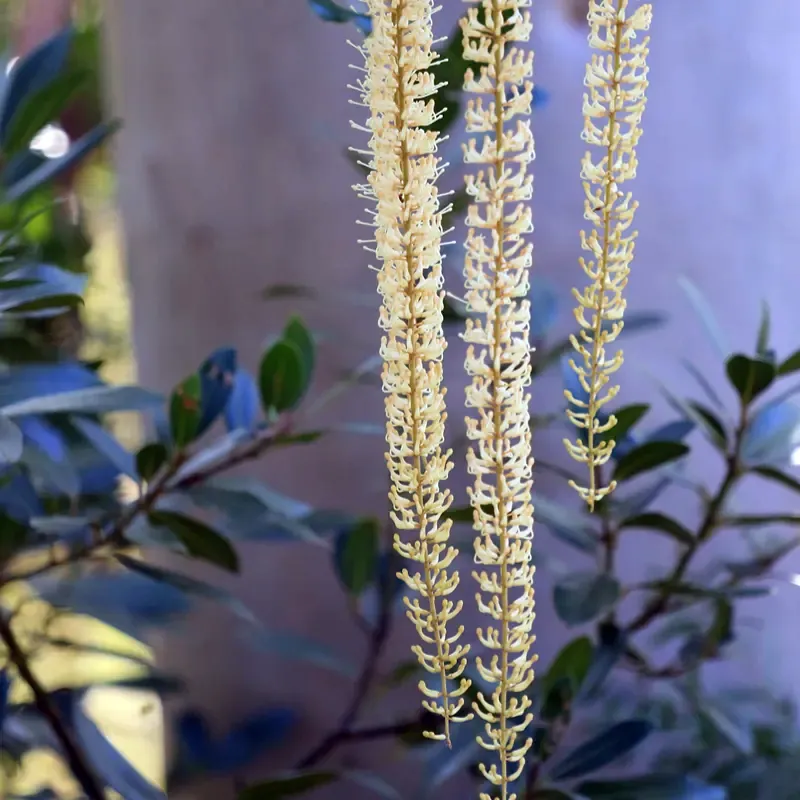
Smooth-shelled Macadamia
Macadamia integrifolia
A south-east Queensland native and the world's favourite nut. The trees are handsome too.

Illawarra Flame Tree
Brachychiton acerifolius
Scarlet against a blue spring sky. It loses its leaves first, so don't panic.
Brisbane problems and what to plant
Summer humidity and root rot. Good drainage matters more than water here. In the clay under hillside suburbs, plant on a mound and rough up the sides of the planting hole, so roots don't circle like they're still in the pot. Choose Queensland and northern New South Wales species over Western Australian ones. If you love kangaroo paws, try the tougher hybrids and give them the sunniest, breeziest spot you have.
The dry winter and spring. New plants need regular deep watering through their first spring. Mulch well before the dry sets in.
Storms and wind. Lilly pillies and other dense, shallow-rooted plants can topple in storms. Plant them young, stake them lightly, and let roots spread naturally.
Where to buy native plants in Brisbane
Brisbane is well served for natives, with community nurseries growing local-provenance plants for bushcare, specialist native nurseries, and garden centres with solid native ranges. Check the list below for nurseries near you and who delivers.
Nurseries in Brisbane
Show 5 moreShow fewer
Annerley Garden Centre
Annerley, QLD
Windsor Super Garden Centre
Windsor, QLD
Delivers to Brisbane
Native gardens to visit in Brisbane
Brisbane Botanic Gardens Mt Coot-tha has a 27-hectare Australian Plant Communities section, from Bunya forest to coastal heath. It includes an Aboriginal Plant Trail.
Kumbartcho Sanctuary in Eatons Hill, just over Brisbane's northern border, is a volunteer-run flora and fauna sanctuary with free walking tracks and a playground. Its community nursery sells local natives at pocket-money prices, so you can see plants growing wild and take some home the same morning.
Brisbane native gardening FAQ
When's the best time to plant natives in Brisbane?
Autumn, from March to May. The heat has broken but the soil is warm, and plants settle before the dry spring. Summer planting works if you can keep up with the water.
Why do my Western Australian natives keep dying?
Usually humidity and wet summer soil, not the heat. Many Western Australian plants come from dry-summer climates. Grafted plants and very free-draining spots help, but local species are the easier path.
Do natives need watering in Brisbane?
Through the dry winter and spring, yes, especially in the first year. Summer rain usually takes care of the rest.
Can I grow bush tucker plants in Brisbane?
Easily. Lemon Myrtle, Macadamia and native lilly pillies all do well here. Riberry and Davidson's Plum suit sheltered spots.
Where can I see native gardens in Brisbane?
Mt Coot-tha's Australian Plant Communities is the place to start, and Kumbartcho for local bushland and cheap local plants.
Browse all natives or start with a guide: Drought-tolerant native plants, Low-maintenance native plants, Small native trees, Plants for shade, Plants that attract birds, Summer-flowering natives for cool-temperate gardens.
Get natives matched to Brisbane
Take the quiz with your exact postcode and we'll narrow this down to what actually suits your spot, not just the city average.
Take the quiz