Native Plant FinderTake the quiz
All guides

Small Native Trees for Australian Gardens

8 natives that give you a proper tree without taking over the whole yard.

Find plants for your garden

Why go small

Not every backyard has room for a River Red Gum, and your neighbours will thank you for that. A small native tree still gives you shade, privacy, flowers and a place for birds to perch, without dropping limbs on the shed or lifting the driveway.

Everything here generally tops out under about 8 metres in a garden, and many stay smaller. Size depends on your conditions, though, so treat the heights as a guide. Your climate zone matters too: a tree that thrives in Perth can struggle in humid Brisbane.

The 8 picks

Flowering gums

Silver Princess (Eucalyptus caesia)

Silver Princess

Eucalyptus caesia

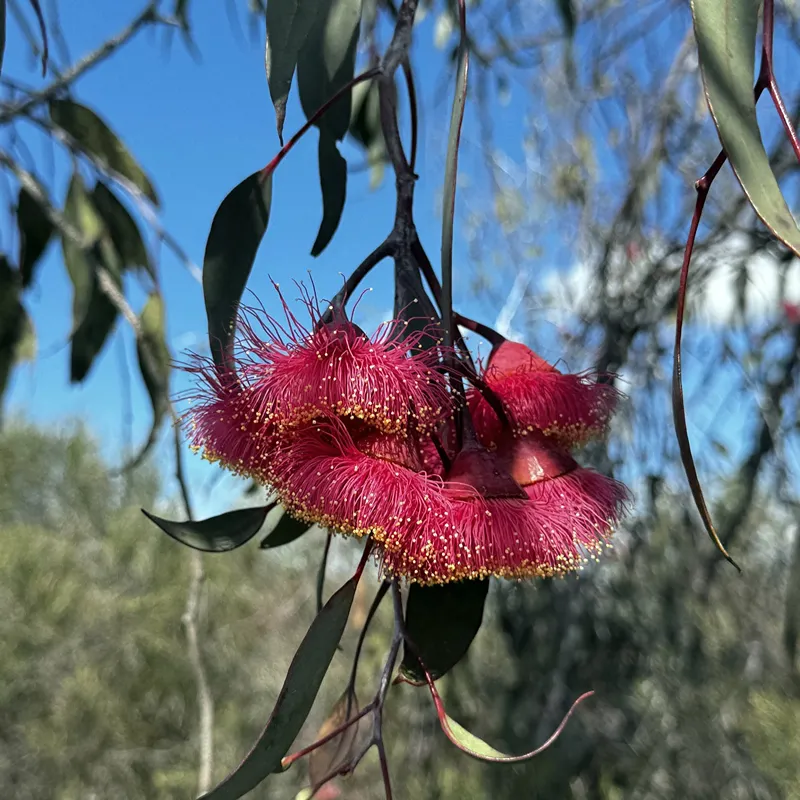
A showstopper, with weeping branches, powdery silver stems and big pink flowers. It's a WA native, so dry summers and good drainage suit it best. Why it fits: a slender, open shape that doesn't crowd a small garden. Fair warning: it can struggle in humid climates and heavy, wet soil.

See Silver Princess →
Summer Red (Corymbia 'Summer Red')

Summer Red

Corymbia 'Summer Red'

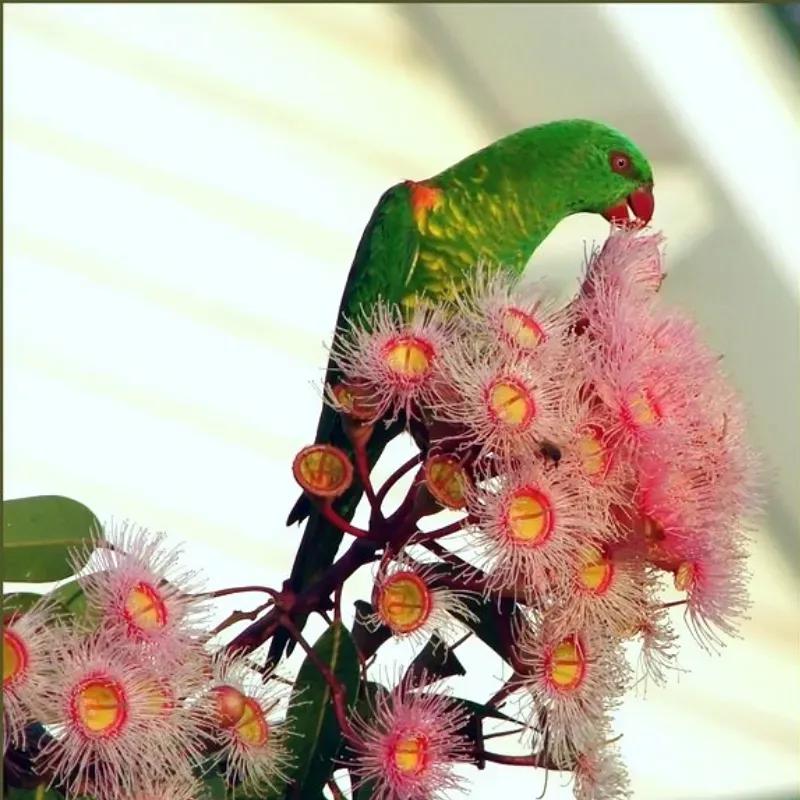
A compact grafted flowering gum with vivid red flowers in summer. It gives you all the drama of a flowering gum in a fraction of the space. Why it fits: it's bred to stay small, usually around 5 to 7 metres.

See Summer Red →
Illyarrie (Eucalyptus erythrocorys)

Illyarrie

Eucalyptus erythrocorys

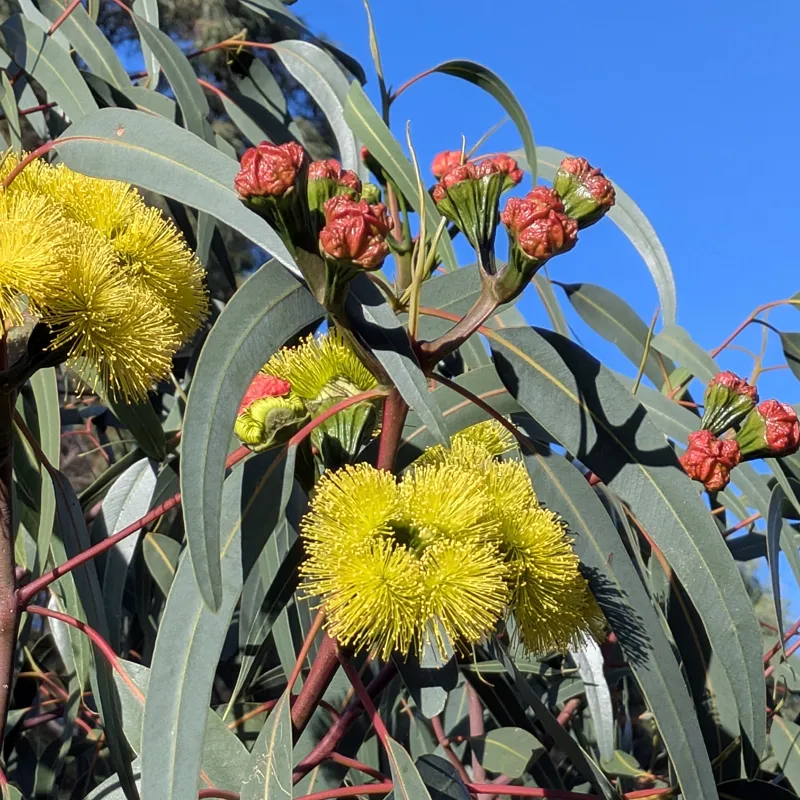
Bright red caps pop off to reveal big yellow flowers, so it looks like it's dressed for a party. It's a small, often multi-stemmed tree. Why it fits: it stays compact and open, and suits dry, well-drained gardens.

See Illyarrie →

Graceful and weeping

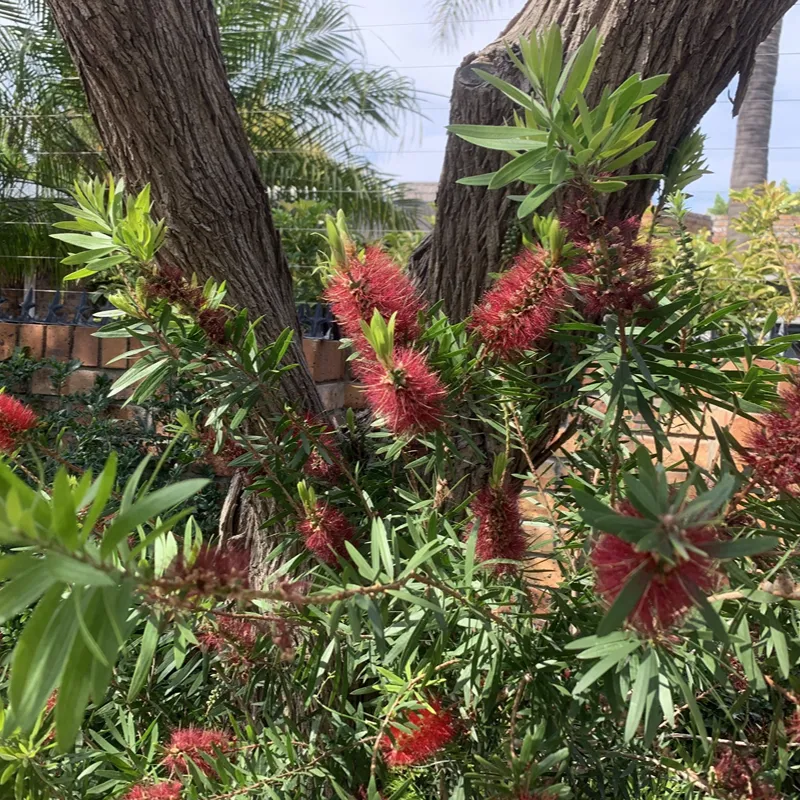
Weeping Bottlebrush (Callistemon viminalis)

Weeping Bottlebrush

Callistemon viminalis

Soft weeping branches dripping with red brushes in spring, and often again later in the year. Honeyeaters will find it within days. Why it fits: it's tough and adaptable, and it's happy in most soils, including damp ones.

See Weeping Bottlebrush →
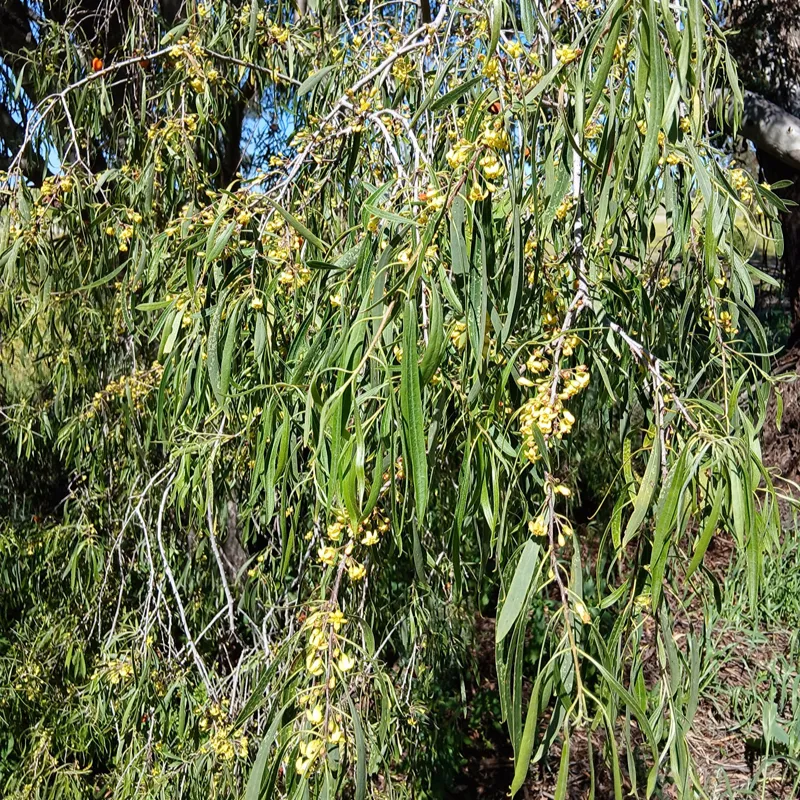
River Wattle (Acacia cognata)

River Wattle

Acacia cognata

Fine, drooping foliage that moves beautifully in the breeze, with pale yellow flowers in spring. Why it fits: a soft screening tree that handles cooler climates well. Here's the catch with wattles: they grow fast and don't live forever, so enjoy it while it's in its prime.

See River Wattle →
Weeping Pittosporum (Pittosporum angustifolium)

Weeping Pittosporum

Pittosporum angustifolium

Long, hanging leaves on a slender trunk, with small yellow flowers and orange seed pods. It's an inland native, so it's very drought hardy. Why it fits: a narrow shape that slots into tight spaces.

See Weeping Pittosporum →

Scented trees

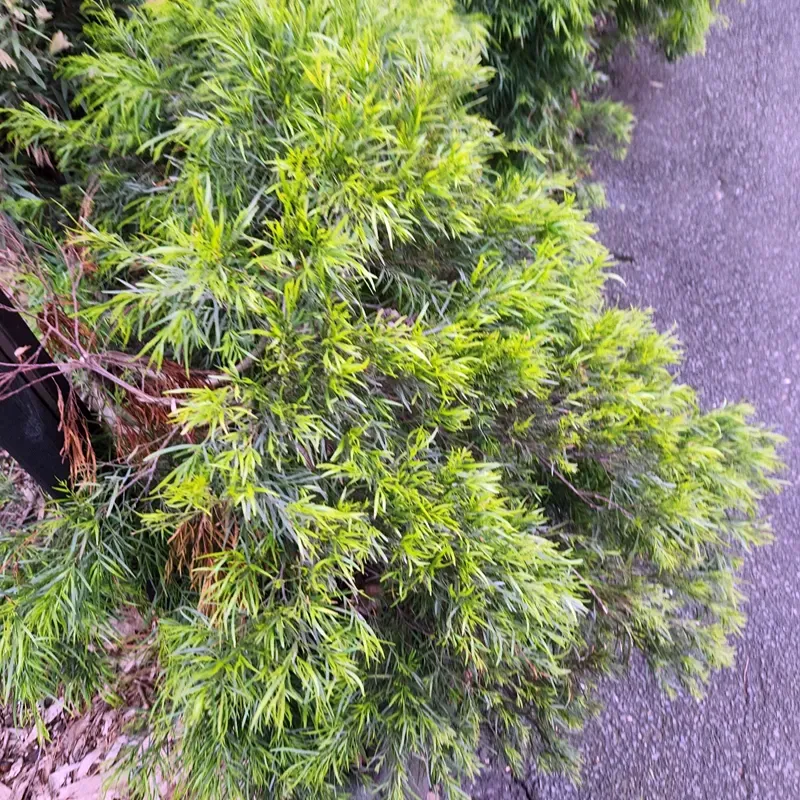
Lemon Myrtle (Backhousia citriodora)

Lemon Myrtle

Backhousia citriodora

Crush a leaf and you'll see why everyone loves it. The leaves are used in cooking and tea, and fluffy white flowers cover the tree in summer. Why it fits: it can be kept small with light pruning, and it suits warm, frost-free gardens.

See Lemon Myrtle →
Cinnamon Myrtle (Backhousia myrtifolia)

Cinnamon Myrtle

Backhousia myrtifolia

A lesser-known cousin with cinnamon-scented leaves and masses of starry white flowers. Why it fits: it's one of the few small trees that's genuinely happy in part shade.

See Cinnamon Myrtle →

By climate zone

  • Cool zones (7): River Wattle and Weeping Pittosporum handle cold winters.
  • Temperate zones (8–9): most of the list is at home here, especially the flowering gums.
  • Subtropical and tropical zones (10–12): Lemon Myrtle and Cinnamon Myrtle shine here. The WA flowering gums prefer drier air. Check the Brisbane or Cairns pages, or take the quiz.

Planting a small tree

A tree is a long-term commitment, so it's worth getting the start right.

  • Spacing: check the mature width on the plant page. Plant at least that far from fences, and further from pipes and foundations.
  • Year one: water deeply once or twice a week in warmer months, so the roots go down rather than out.
  • Staking: only if it's really needed, and loosely. A tree that moves in the wind grows a stronger trunk.
  • Pruning: shape it lightly while it's young. It's far easier than fixing a wonky tree later.

Where to buy

Local native nurseries can tell you which trees do well in your area. Find one in the nursery directory.

FAQ

What is the best small native tree for a small garden?

A compact flowering gum like Summer Red is hard to beat for colour. For shade or a damp spot, Weeping Bottlebrush is a reliable all-rounder.

Do native trees have invasive roots?

Some can, especially large gums. Smaller trees are generally gentler, but keep any tree a sensible distance from pipes and foundations.

How fast do small native trees grow?

Wattles and bottlebrushes are quick, often a metre or more a year in good conditions. Myrtles and grafted gums are steadier.

Related guides

Drought tolerant natives · Low maintenance natives · Natives for shade · Plants that attract birds

Want plants matched to your exact spot?

These are good general picks. The quiz narrows them down to your postcode, sun and soil.

Take the quiz