Birds visit a garden for three things: food, shelter and water. Nectar plants get all the attention, and for good reason, because honeyeaters and lorikeets will find a flowering grevillea within days. But a garden that's all big nectar shrubs can end up ruled by the bossy birds, like wattlebirds and noisy miners, which chase the little ones off.
The fix is variety. Add dense or prickly shrubs where wrens and finches can hide, grasses for seed-eaters, and a mix of plants that flower at different times of year. That way there's always something on the menu. Your climate zone decides which of these will thrive for you.
The 8 picks
Nectar shrubs
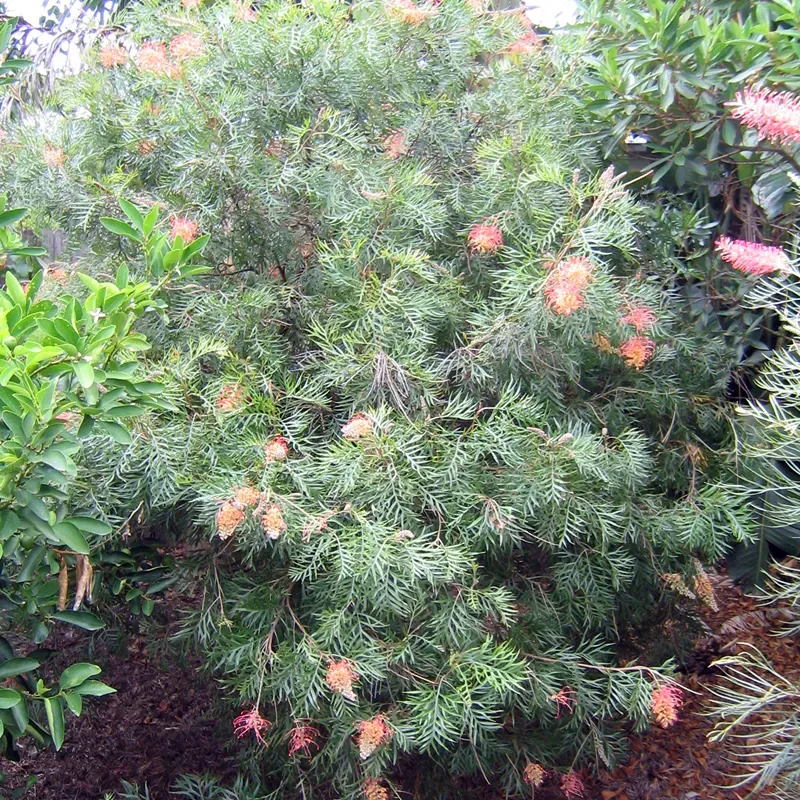
Robyn Gordon Grevillea
Grevillea 'Robyn Gordon'
A classic for good reason, with big red spider flowers almost all year round. Honeyeaters will treat it as their personal servo. Why birds love it: a near-constant nectar supply. Fair warning: the foliage can irritate some people's skin, so wear gloves when pruning.
Large orange-pink flower heads over a long season, on a compact, rounded shrub. Why birds love it: masses of nectar from a plant that fits a suburban garden.
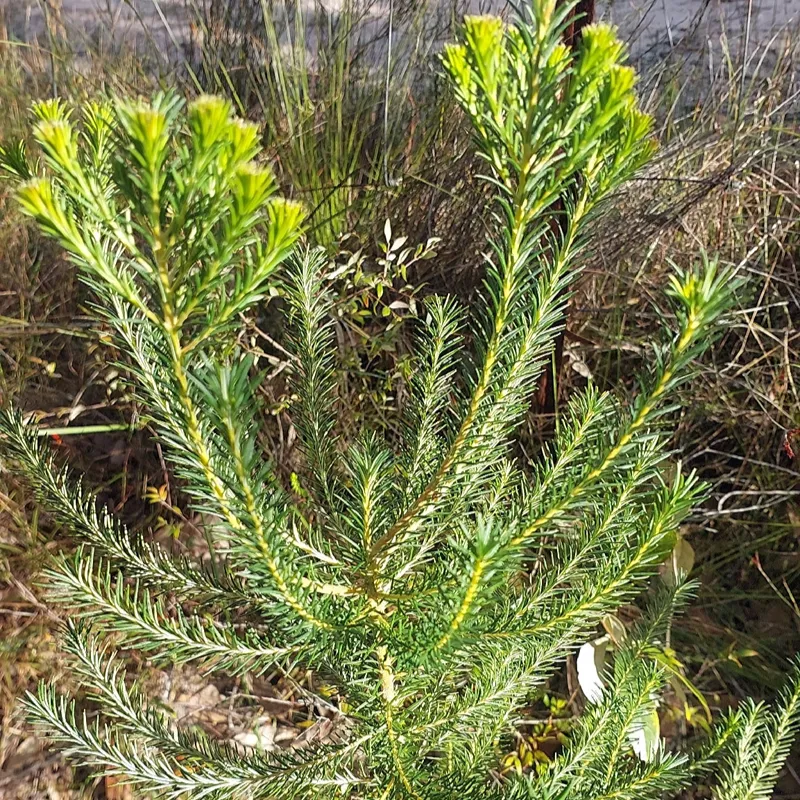
Tall orange flower spikes through autumn and winter, when nectar is scarce elsewhere. Why birds love it: it feeds honeyeaters through the cooler months, and its dense foliage gives them cover too.
Tubular flowers in red, pink, orange or yellow, built for birds' beaks. It's an inland native that thrives in dry conditions. Why birds love it: the flowers are perfectly shaped for honeyeaters, and it flowers through winter and spring.
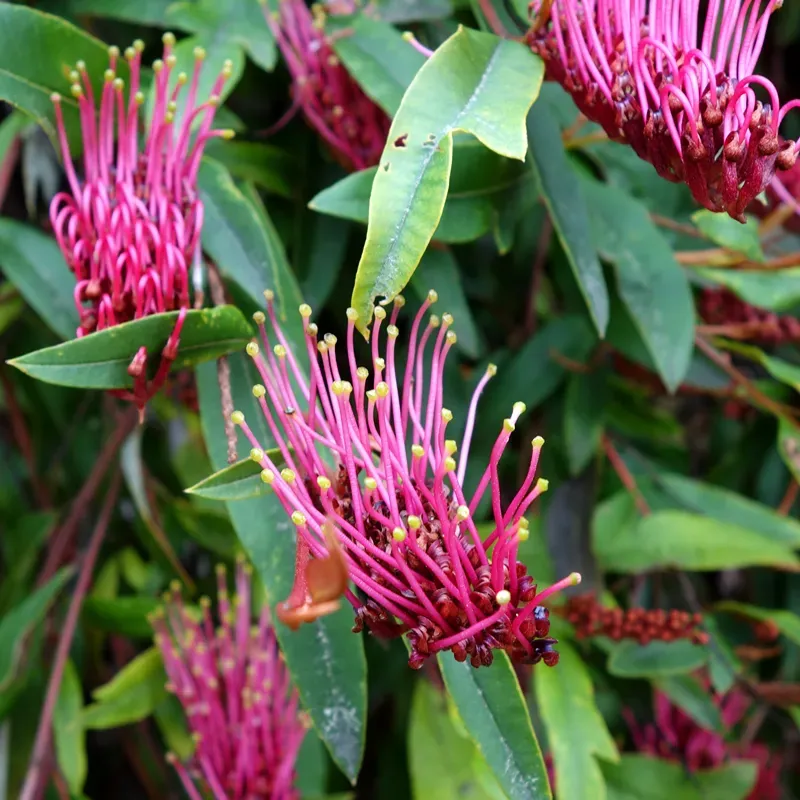
Tall stems of furry, paw-shaped flowers that rise well above the foliage. Birds perch on the stems to feed. Why birds love it: rich nectar, and you get to watch the show from the window.
A flat, spreading grevillea that covers ground fast, with red toothbrush flowers. It's great for banks and slopes. Why birds love it: nectar at ground level, which smaller birds can reach without competing with the big ones up high.
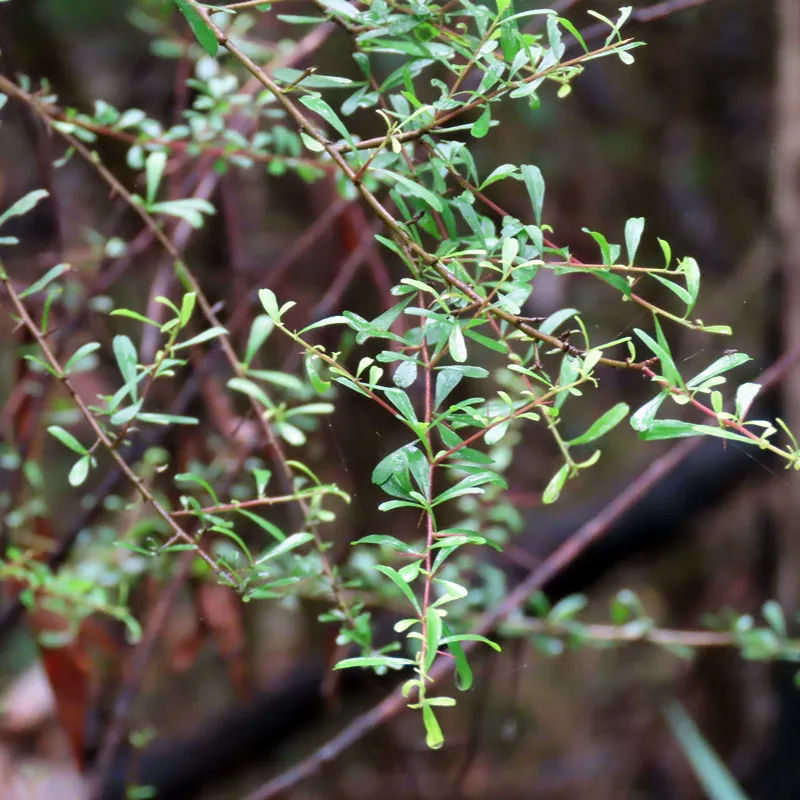
A prickly shrub that covers itself in honey-scented white flowers in summer. It isn't flashy, but it's one of the most valuable wildlife plants around. Why birds love it: the spines protect small birds from cats and bigger birds, and the flowers attract insects for insect-eating birds.
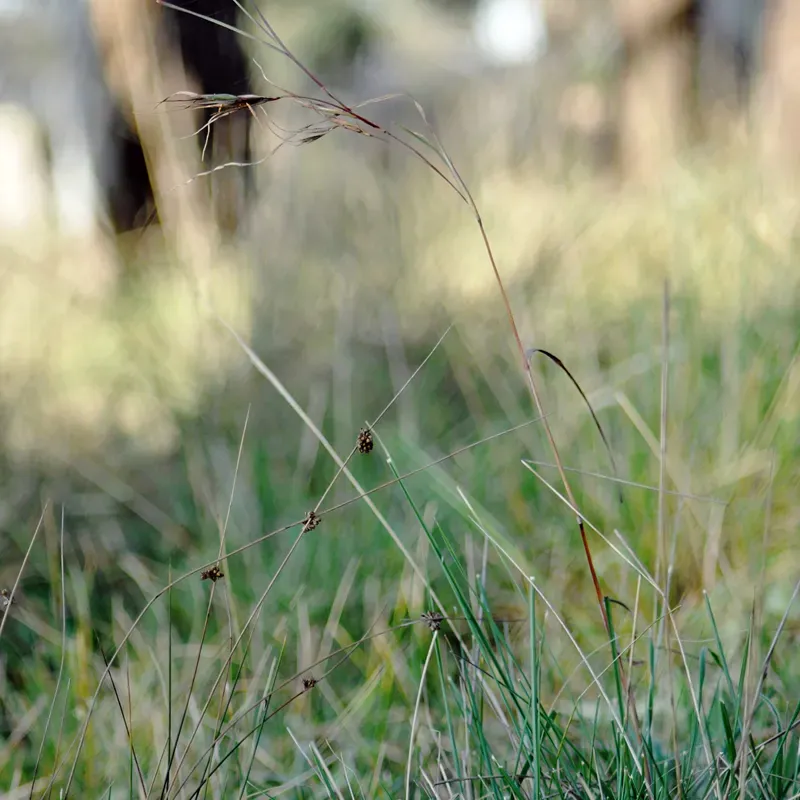
A graceful native grass whose seed heads turn rusty red in summer. Why birds love it: the seeds feed finches, parrots and pigeons, and the tussocks give ground-dwelling birds somewhere to hide.
Cool zones (7): Spotted Emu Bush, Poorinda Royal Mantle, Sweet Bursaria and Kangaroo Grass all handle the cold.
Temperate zones (8–9): the whole list is at home here.
Subtropical and tropical zones (10–11): the grevilleas, Heath-leaved Banksia and Kangaroo Paw all do well. Emu bushes prefer drier air. Check the Brisbane or Townsville pages, or take the quiz.
Making your garden bird-friendly
A few small changes make a big difference.
Plant in layers: ground covers, shrubs and a tree or two give different birds their own spaces.
Add water: a shallow bird bath, up high or near a shrub for a quick escape, is often more popular than any plant.
Skip the pesticides: insects are food for many birds.
Keep cats inside: it's the single biggest thing you can do for small birds.
Where to buy
Local native nurseries often know which plants bring in the birds near you. Find one in the nursery directory.
FAQ
What native plants attract the most birds?
Grevilleas, banksias, bottlebrushes and emu bushes are the big nectar draws. Add dense shrubs and native grasses for the smaller birds.
How do I attract small birds instead of noisy miners?
Plant dense, prickly shrubs and lower-growing plants, and don't rely only on big nectar shrubs. Small birds need cover to feel safe.
How long until birds start visiting?
Often as soon as the first flowers open. Honeyeaters are quick to find a new nectar source.