A plant that suits your climate and soil doesn't need much propping up. Most of these natives are happy in ordinary garden soil, they need little or no fertiliser, and they cope with dry spells once they've settled in. Many of them stay compact on their own, so there's no hedge trimmer marathon every few weeks.
The real secret to a low maintenance garden isn't the plant. It's putting the right plant in the right spot. A sun-lover in deep shade will sulk no matter how tough it is. Your climate zone and your sun and soil do most of the deciding.
The 8 picks
Ground level
Cousin Itt
Acacia cognata 'Cousin Itt'
A soft, shaggy mound of fine green foliage that looks like it's having a permanently good hair day. It stays small and tidy without any help. Why it's easy: it holds its shape on its own, so there's nothing to prune.
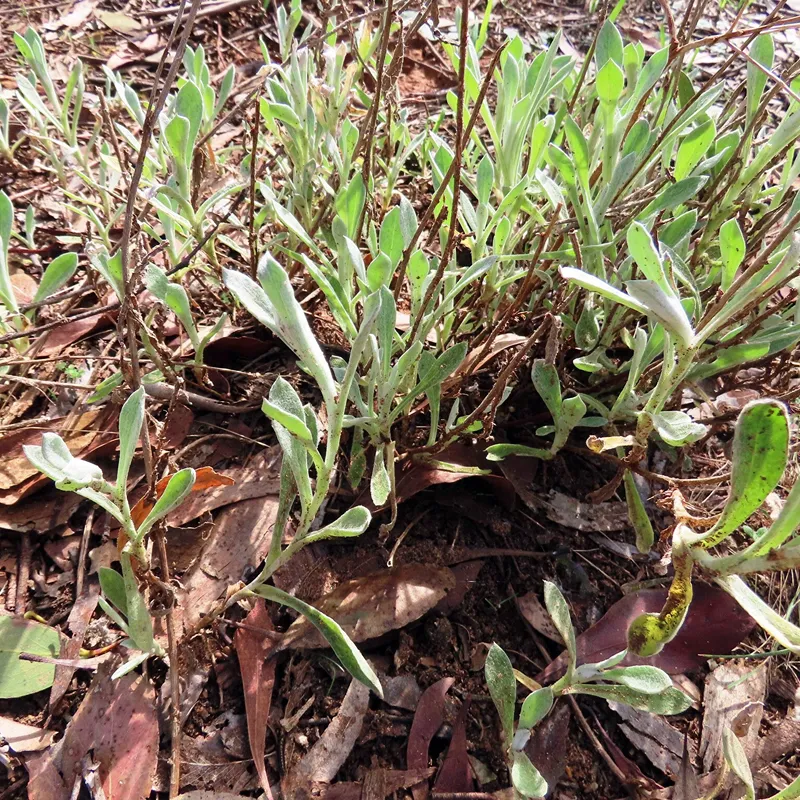
A low, silvery spreader with bright yellow button flowers for months on end. The bees can't get enough of it. Why it's easy: it's tough, drought tolerant and happy in poor soil. A quick trim after flowering is all it asks.
Neat clumps of strappy leaves, small blue flowers, then glossy purple berries. It's great for edging paths or filling gaps. Why it's easy: it shrugs off dry spells and rarely needs anything beyond a tidy-up of old leaves.
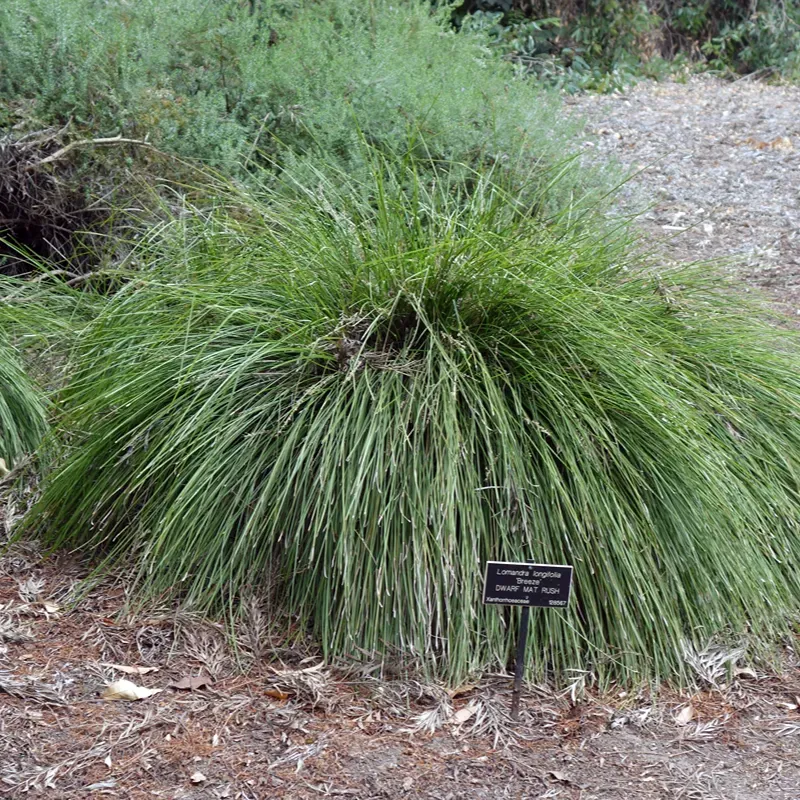
A compact, fine-leaved lomandra that copes with sun, shade, wet and dry. It's about as close to bulletproof as plants get. Why it's easy: if it ever looks scruffy, cut it back hard and it bounces straight back.
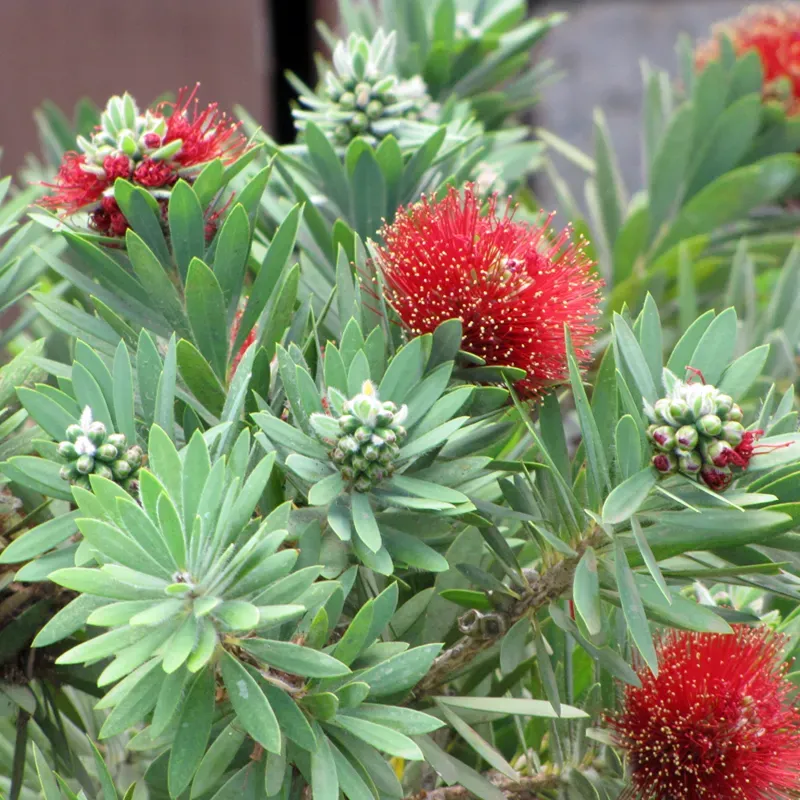
A dwarf bottlebrush with blue-green leaves and deep red brushes. It's small enough for courtyards, pots and low hedges. Why it's easy: it stays compact naturally, so it doesn't need regular shaping.
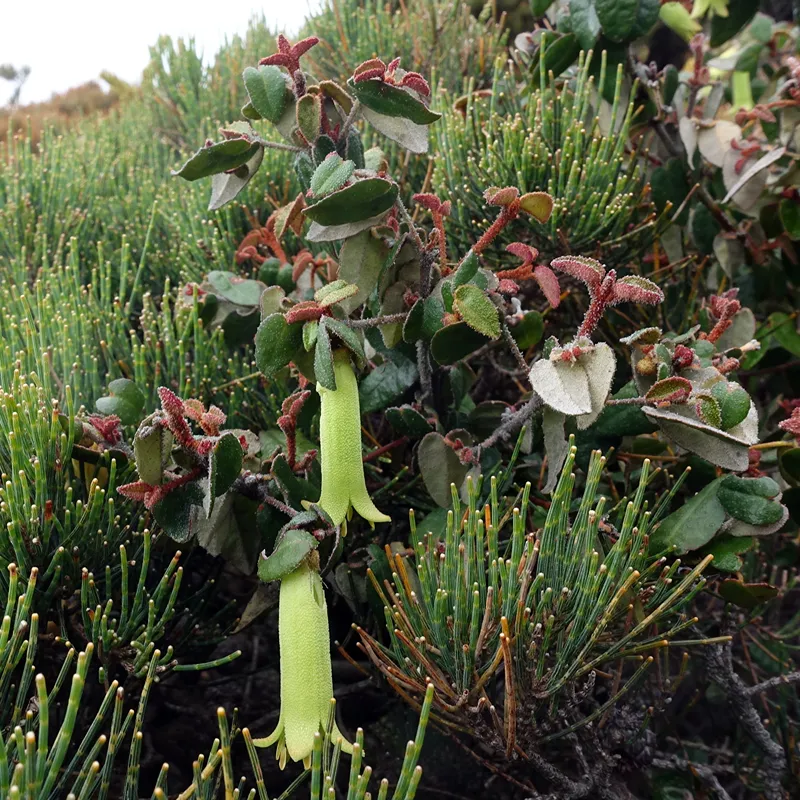
Little bell-shaped flowers through the cooler months, just when the rest of the garden is having a rest. Small birds love them. Why it's easy: it's happy in part shade and needs very little once established. It does like good drainage, though, so skip heavy soggy clay.
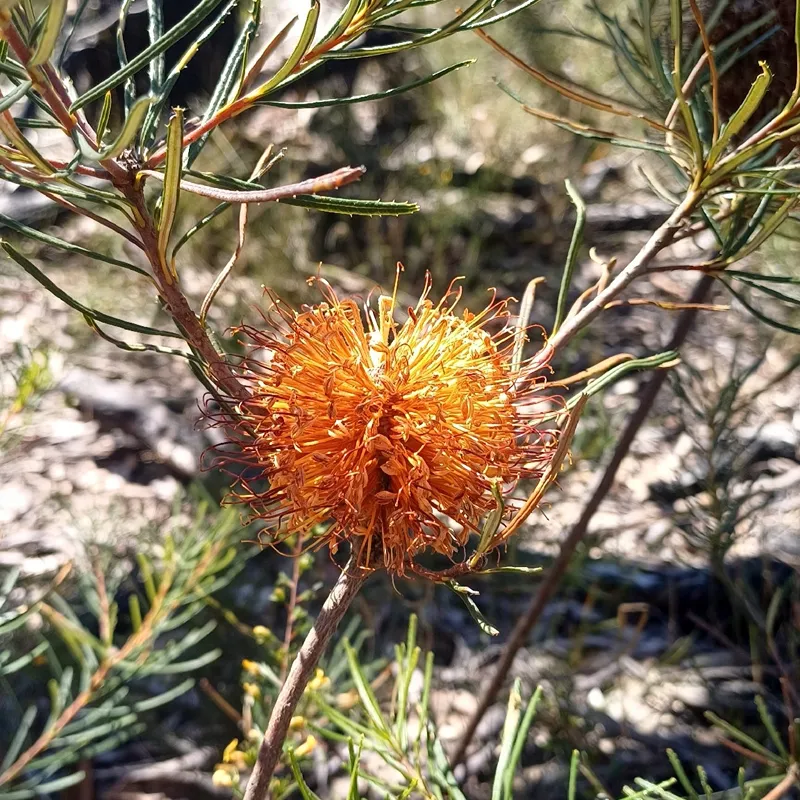
Golden candle-like flower spikes through autumn and winter, and a magnet for honeyeaters. Why it's easy: it's hardy and drought tolerant, and it's happy in sandy or poor soils that would sink fussier plants.
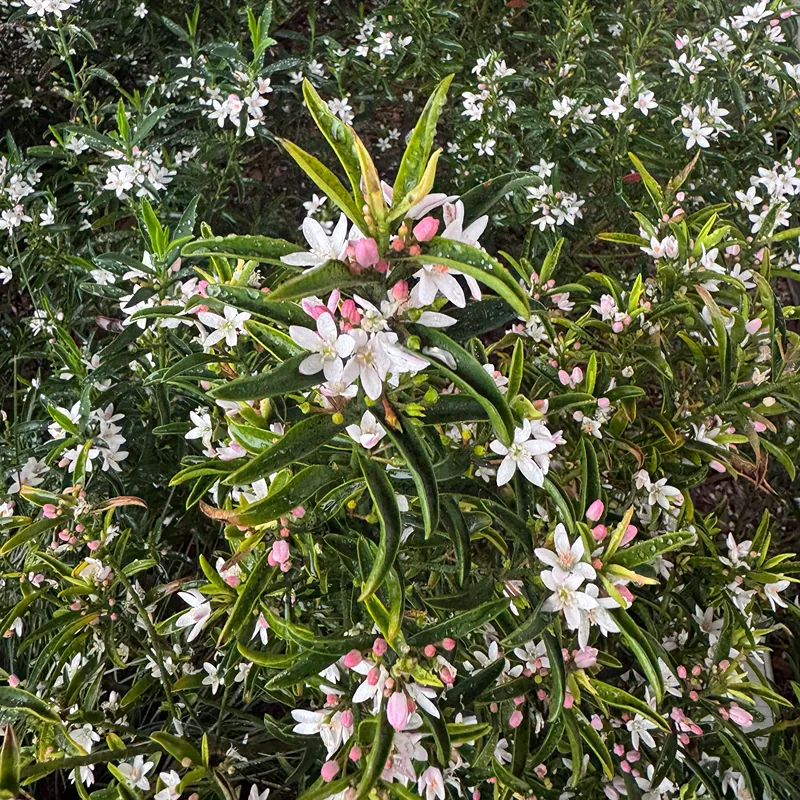
Starry white flowers in spring and aromatic leaves that smell lovely when you brush past. Why it's easy: it keeps a neat, rounded shape, and a light trim after flowering is all it needs.
Cool zones (7): Common Everlasting, Black-anther Flax-lily, Breeze Lomandra, Common Correa and Long-leaf Wax Flower all handle the cold.
Temperate zones (8–9): the whole list is at home here.
Subtropical zones (10–11): most of these cope, but anything that hates wet feet (like Correa) needs well-drained soil through the wet season. For the tropics, check the Cairns or Darwin pages, or take the quiz.
Keeping it low maintenance
Even easy plants need a decent start.
Year one: water regularly while the roots settle in. This is the one stretch where they need you.
Mulch: a thick layer keeps weeds down and moisture in, and it's the single biggest time-saver in any garden.
Skip the fertiliser: most natives don't need it. Some, like banksias, actively dislike high-phosphorus fertilisers, so leave the general-purpose stuff in the shed.
Prune lightly, if at all: a tip-prune after flowering keeps most shrubs bushy. Skip the hard haircuts.
Where to buy
Local native nurseries can tell you what thrives in your area. Find one in the nursery directory.
FAQ
What is the easiest native plant to grow?
Lomandras are hard to beat. They handle sun, shade, wet and dry with very little attention.
Do native plants need fertiliser?
Mostly no. Many are adapted to poor soils, and some, like banksias and grevilleas, can be harmed by high-phosphorus fertilisers.
How often should I water low maintenance natives?
Regularly for the first year, then only in long dry spells or heatwaves.