Native Plants for Darwin Gardens
Natives for the Top End: monsoon downpours, a bone-dry Dry and gravelly laterite soil.
What growing in Darwin actually means
Darwin has two seasons, plus a third that locals call the build-up, when the humidity climbs, the storms tease, and everyone goes a little troppo. The Wet runs roughly from November to April and brings almost all of Darwin's 1,700 mm of rain, often in spectacular afternoon storms. Then the Dry arrives, and for months there's virtually no rain at all, with humidity often dropping below 40%.
That pattern decides everything in a Top End garden, and newcomers usually get it backwards. They worry about the monsoon, but Darwin gardens rarely die in the Wet. They die in the Dry, when months without rain catch out plants that were never watered deeply enough to get their roots down. Local plants handle it because they evolved for it: some drop their leaves, some flower on bare branches, and all of them know how to wait.
Darwin's soils are mostly laterite: red, gravelly and ironstone-studded, with little in the way of nutrients.
The higher ground (much of suburban Darwin and Palmerston): gravelly laterite and yellow, stony soils. They drain fast in the Wet and set like concrete in the Dry.
Low-lying areas and creek flats: heavier, often acidic soils that flood in the Wet. Plant paperbarks and other wet-feet species here.
Coastal suburbs: sandy soils and salt on the breeze.
The City of Darwin publishes a free guide called "Creating Habitat for Darwin Gardens", which lists which local plants to grow together, which suit verges, and how much water each needs through the Dry. It's well worth a download before you start.
Top native plants for Darwin
These are reliable across most of Darwin. For picks matched to your exact postcode, take the 2-minute quiz.
Trees
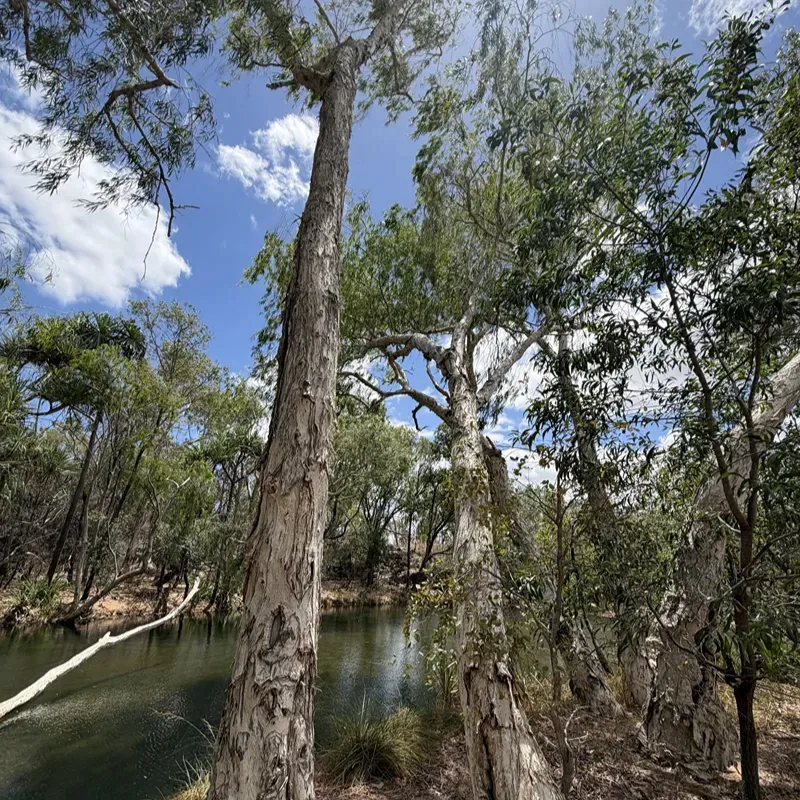
Weeping Paperbark
Melaleuca leucadendra
A tall paperbark with weeping branches and soft, peeling white bark. It's built for wet ground and the steamiest days of the build-up.
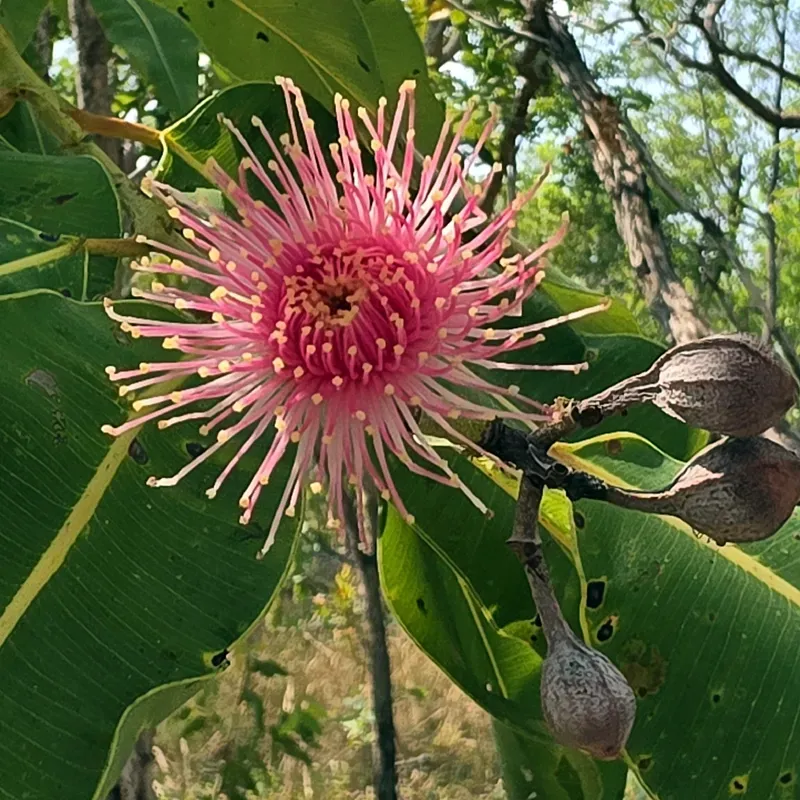
Swamp Bloodwood
Corymbia ptychocarpa
Huge pink to red flower clusters on a Top End bloodwood. It's at its best near water and a magnet for lorikeets and flying foxes.
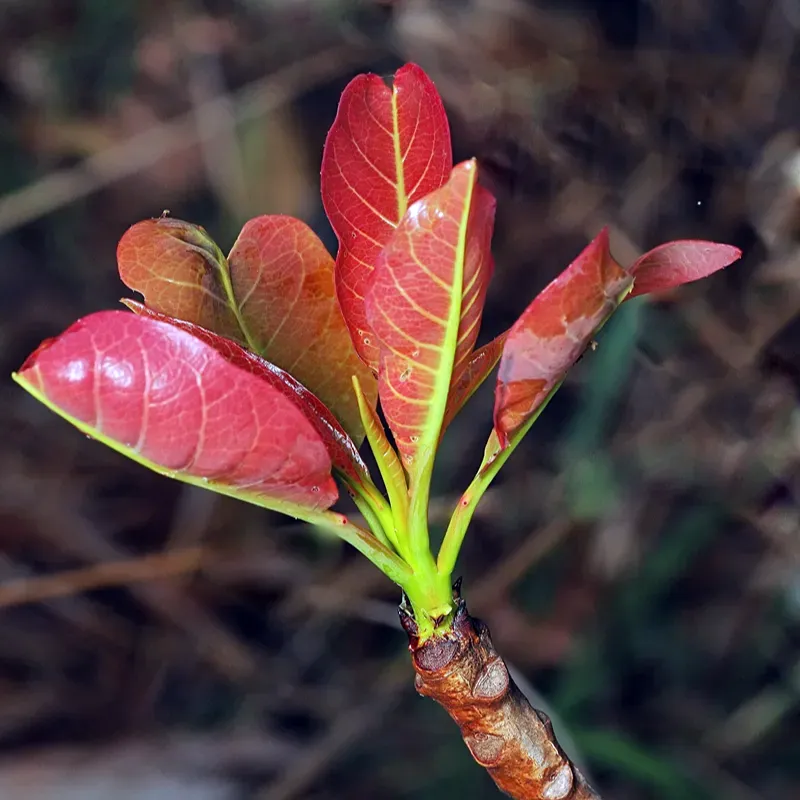
Kakadu Plum
Terminalia ferdinandiana
The Kakadu Plum, with small green fruit packed with vitamin C. A bush tucker tree that looks after itself in the Dry.
Flowering shrubs
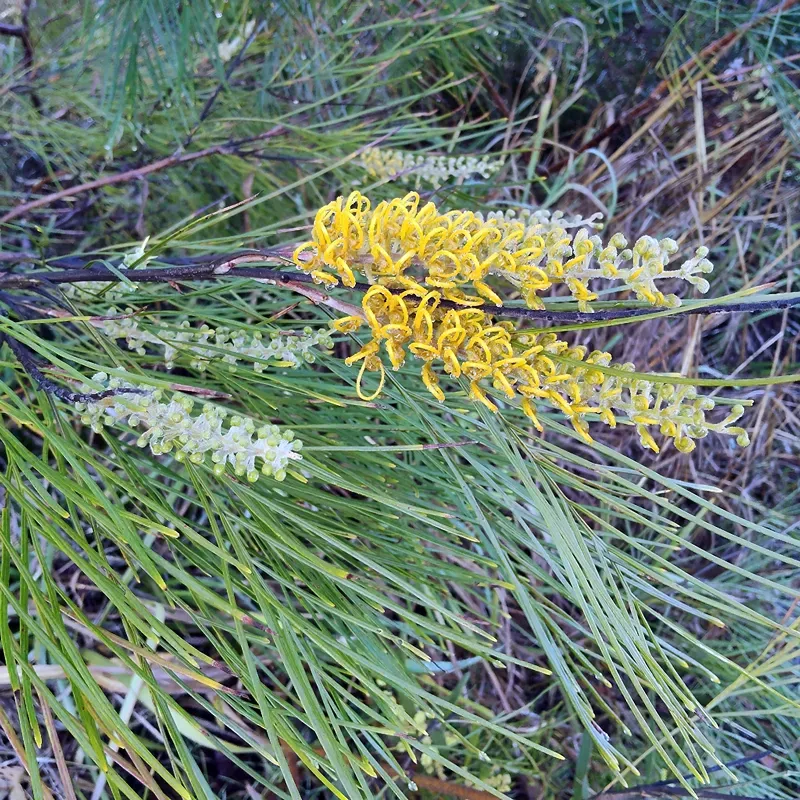
Fern-leaved Grevillea
Grevillea pteridifolia
Brilliant golden-orange brushes through the Dry, when honeyeaters need them most. Tough, fast and unmistakably Top End.
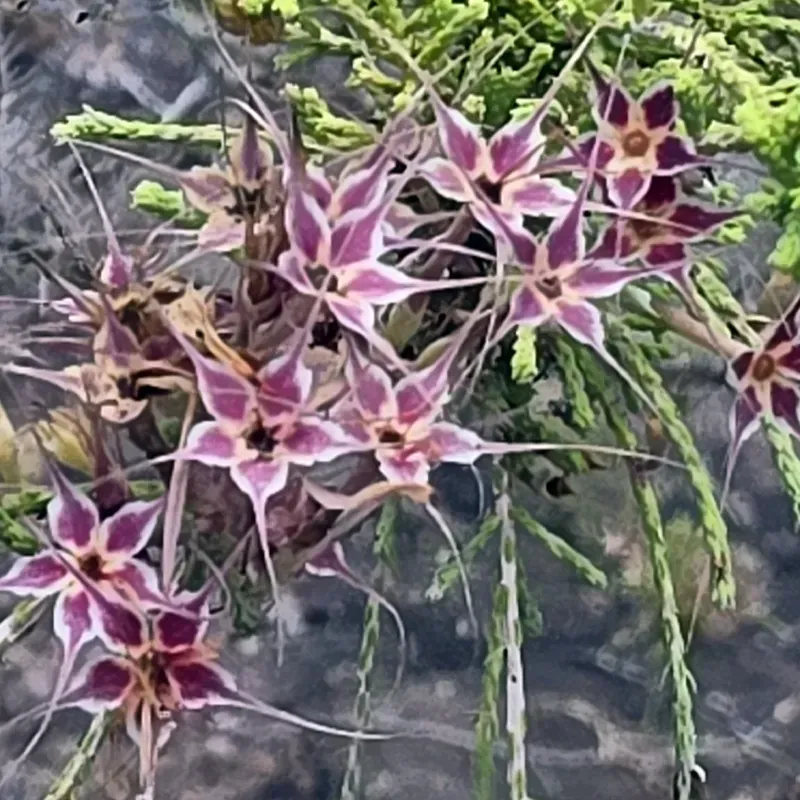
Turkey Bush
Calytrix exstipulata
Turkey Bush smothers itself in pink-purple star flowers in the Dry, turning whole hillsides colourful.
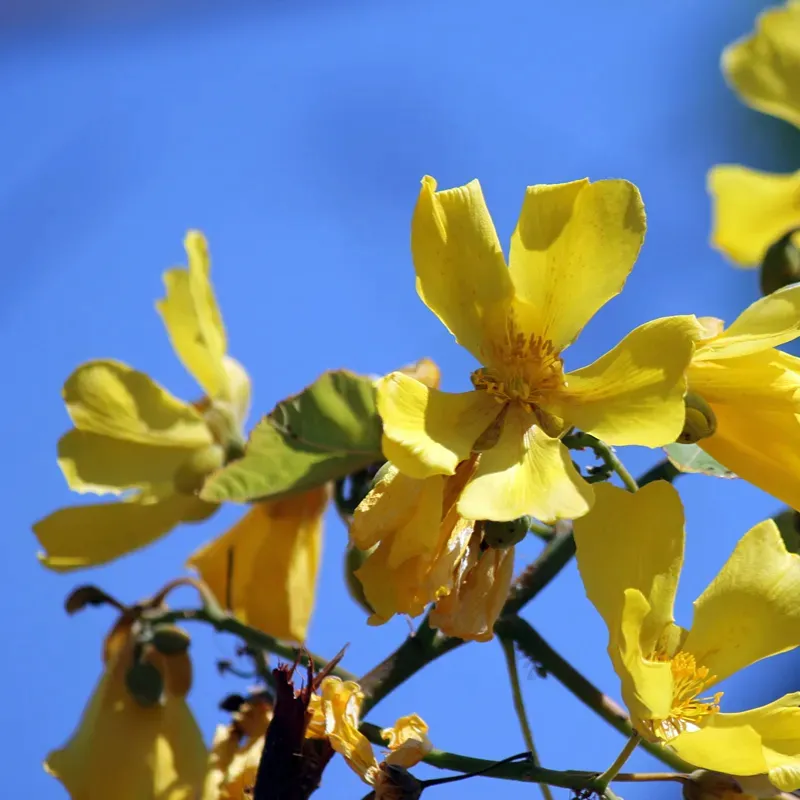
Kapok Bush
Cochlospermum fraseri
Kapok Bush drops its leaves in the Dry, then covers bare branches in big yellow flowers. Fluffy seed pods follow.
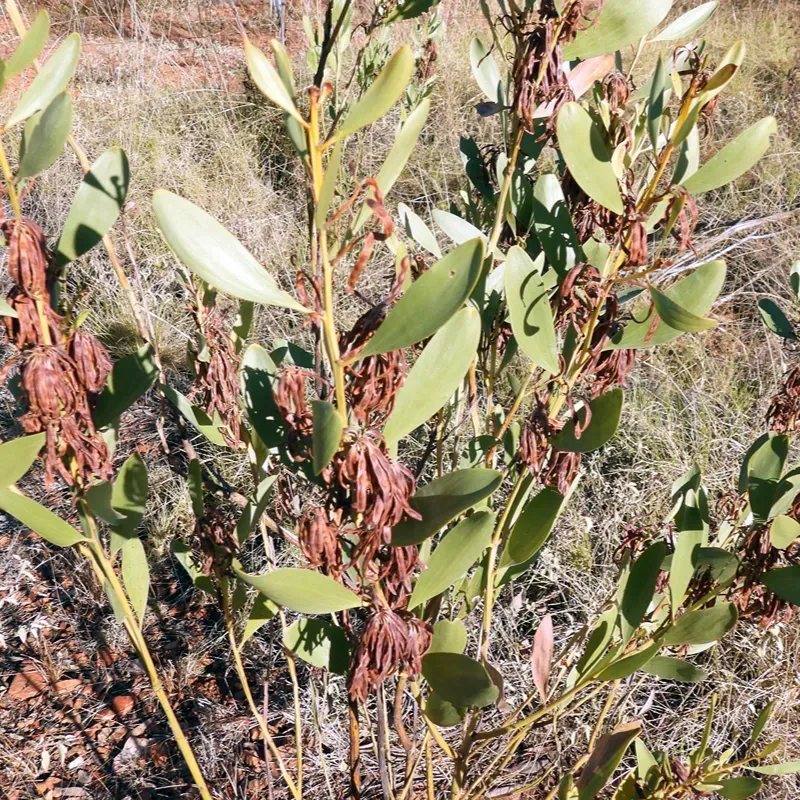
Candelabra Wattle
Acacia holosericea
Silvery, velvety leaves and yellow flower spikes. It's a fast, short-lived filler while slower plants establish.
Hedges and screens
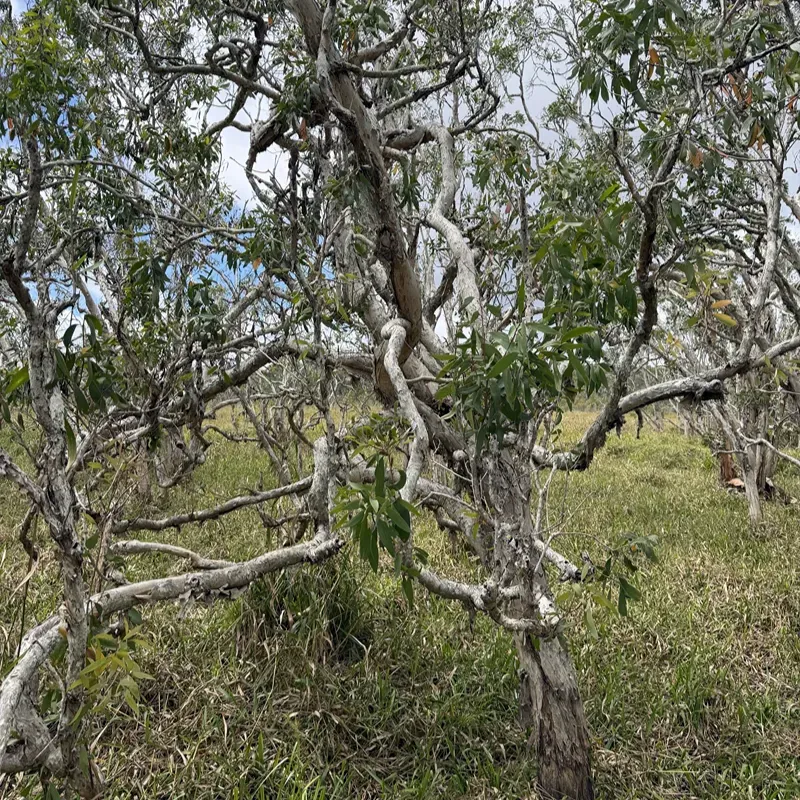
Broad-leaved Paperbark
Melaleuca viridiflora
Papery bark and bottlebrush flowers in cream, green or red. It shrugs off both waterlogged Wet and parched Dry.
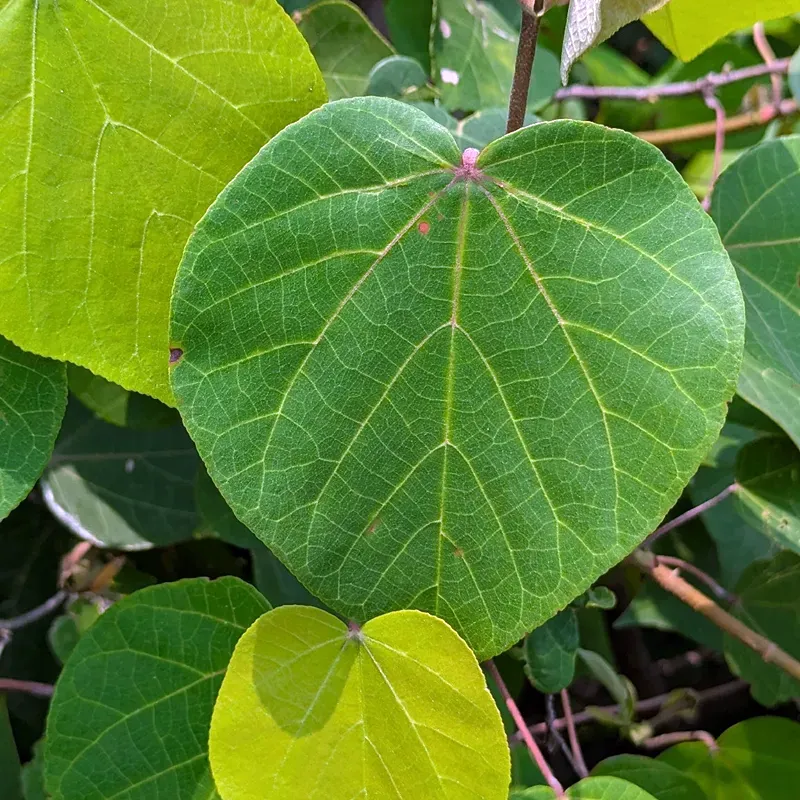
Cotton Tree
Hibiscus tiliaceus
Big yellow hibiscus flowers that age to red by evening, on a fast, salt-tolerant coastal screen.
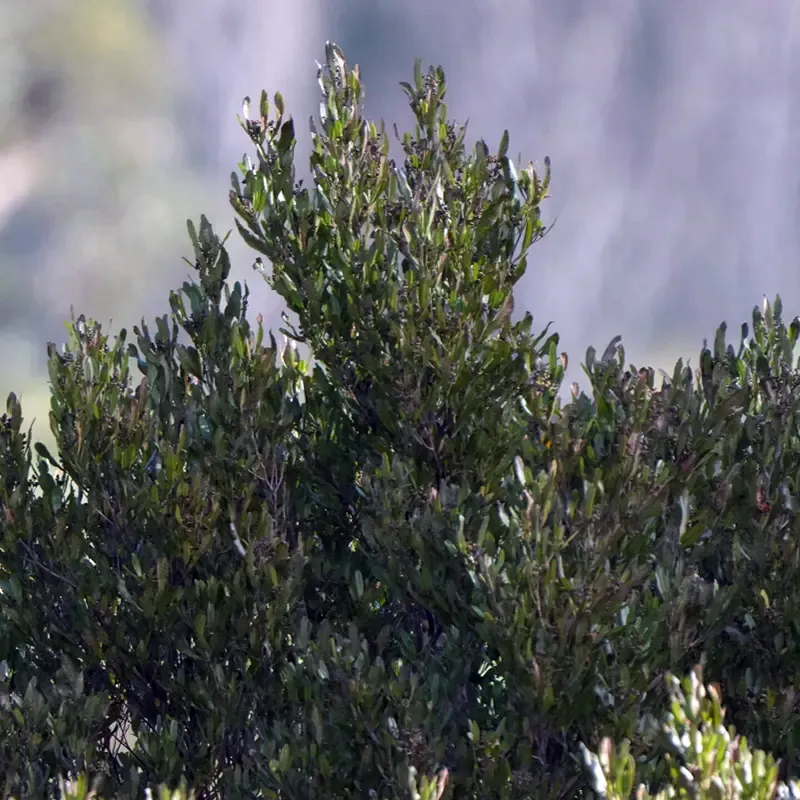
Sticky Hop Bush
Dodonaea viscosa
A quick, wind-firm screen that handles laterite gravel and asks for almost nothing.
Icons
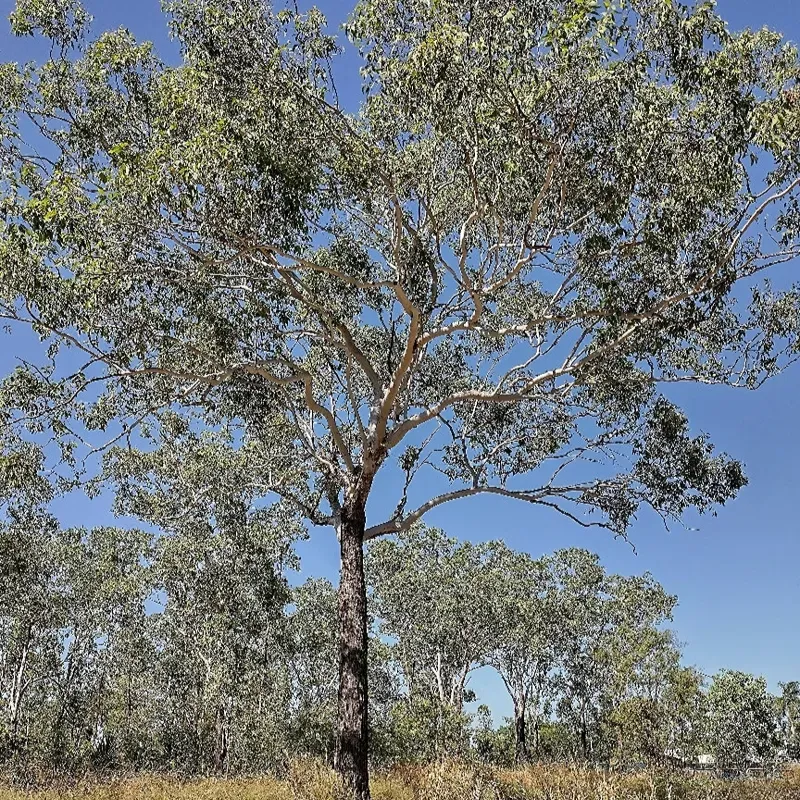
Darwin Woollybutt
Eucalyptus miniata
The Darwin Woollybutt, with spongy, fibrous bark on the trunk and brilliant orange flowers in the Dry. A tree of the Top End woodlands, for big blocks.
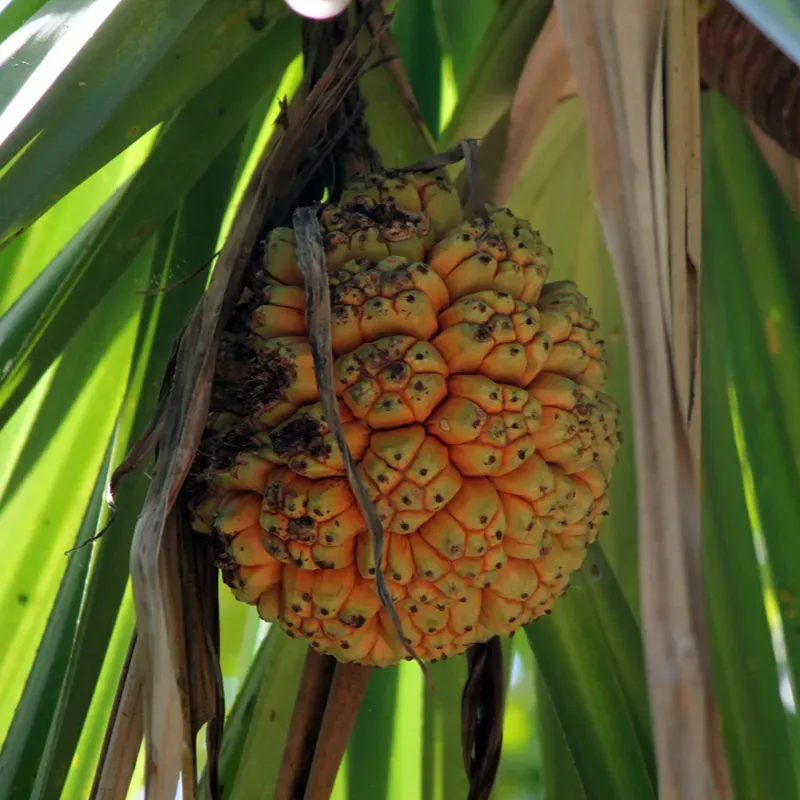
Screw Palm
Pandanus spiralis
The spiral-leaved screw palm of the Top End, with chunky orange fruit. Instant tropical character, with no fuss.
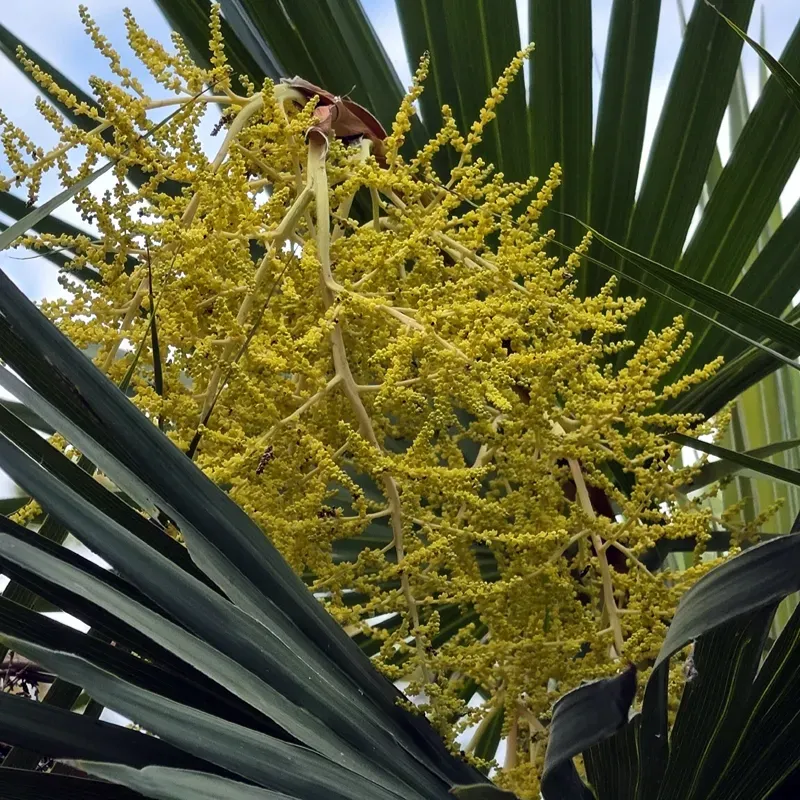
Sand Palm
Livistona humilis
The Sand Palm, a slender local fan palm that grows slowly and handles poor, gravelly soil.
Darwin problems and what to plant
The Dry. Plant just before or early in the Wet, so the rains establish your plants for free. Through the first Dry, water deeply twice a week rather than a little every day, so roots chase moisture downwards. Mulch thickly before the rain stops.
Laterite gravel. Dig a wide hole, break up the ironstone layer if you hit one, and backfill with the same soil mixed with a little compost. Local plants such as Turkey Bush, Kapok Bush and Fern-leaved Grevillea grow happily in poor soil.
Cyclones. The season runs from October to April. Choose wind-firm trees, keep large trees well back from the house, and avoid top-heavy plants in exposed spots.
Bush chooks. Orange-footed scrubfowl rake leaf litter into huge nesting mounds and will happily dig up new plantings. Protect young plants with rocks or wire around the base until they're established. They're protected, so work around them.
Where to buy native plants in Darwin
Darwin has native nurseries growing Top End species, plus garden centres. Some Top End plants are hard to find outside the region, so buy local. The plant sales run by the Friends of the Darwin Botanic Gardens are a local institution. Check the list below for nurseries near you.
Nurseries in Darwin
Marrara Garden Centre
Marrara, NT
Delivers to Darwin
Native gardens to visit in Darwin
George Brown Darwin Botanic Gardens grows Northern Territory native plants throughout, especially in its open woodland area, so you can see Top End natives at full size before you plant them. Look out for the bush chooks digging in the beds.
The Friends of the Darwin Botanic Gardens plant sales draw hundreds of people for bargain plants, and they're the best place to ask local growers what works.
Darwin native gardening FAQ
When's the best time to plant natives in Darwin?
Just before or early in the Wet, from the build-up into December. The rain does the watering while roots establish, which gives plants the best chance of surviving their first Dry.
How often should I water natives in the Dry?
New plants need a deep watering about twice a week through their first Dry. Established local natives need far less, and many need none.
Why do some of my natives lose their leaves in the Dry?
Several Top End plants, such as Kapok Bush, are naturally deciduous in the Dry. It's how they save water. They'll leaf up again when the rain returns.
Do Top End natives cope with cyclones?
Local species are generally more wind-firm than exotics, but no tree is cyclone-proof. Plant big trees well away from the house, and keep them healthy and well-pruned.
Where can I see native gardens in Darwin?
George Brown Darwin Botanic Gardens, especially its woodland area, plus the Friends' plant sales.
Browse all natives or start with a guide: Drought-tolerant native plants, Low-maintenance native plants, Small native trees, Plants for shade, Plants that attract birds, Summer-flowering natives for cool-temperate gardens.
Get natives matched to Darwin
Take the quiz with your exact postcode and we'll narrow this down to what actually suits your spot, not just the city average.
Take the quiz