Native Plants for Townsville Gardens
Natives for the dry tropics: a short, wild Wet, a long Dry and soil that's either clay or granite.
What growing in Townsville actually means
Old-timers used to call it Brownsville, and anyone who's watched a lawn through a Townsville Dry knows why. The city looks tropical on a postcard, but it sits in the dry tropics. It averages around 1,125 mm of rain a year, but about 70% of that falls between January and March, usually in short, heavy downpours. From May to October, a decent fall of 20 mm or more is rare.
The secret every successful Townsville gardener learns is to plant for the Dry, not the Wet. Lush rainforest plants look wonderful in February and miserable by September unless you water them constantly. Dry tropics natives from the surrounding savanna handle the long dry spell on their own, then burst into growth when the storms arrive.
The soils are tough in their own ways:
The floodplains (much of the suburbs between the Ross and Bohle rivers): heavy clay, often sodic and a little salty. It's rock-hard in the Dry, waterlogged in the Wet, and it erodes easily.
The hills (Castle Hill, Mount Louisa, the range suburbs): a thin layer of decomposed granite over solid rock. It drains instantly and holds almost no nutrients.
Older suburbs: deep clay that improves wonderfully with years of mulch and organic matter.
The Strand and coastal suburbs: sandy soil and salt wind.
Top native plants for Townsville
These are reliable across most of Townsville. For picks matched to your exact postcode, take the 2-minute quiz.
Trees
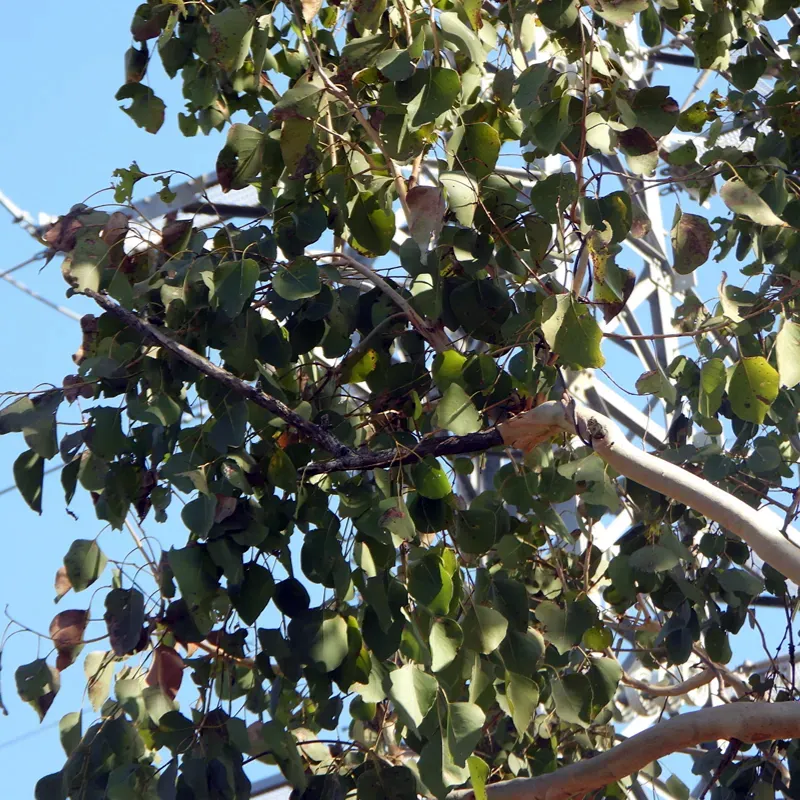
Poplar Gum
Eucalyptus platyphylla
The Poplar Gum has big, rounded leaves that it drops in the Dry, then smooth white bark that glows all winter. A true local.
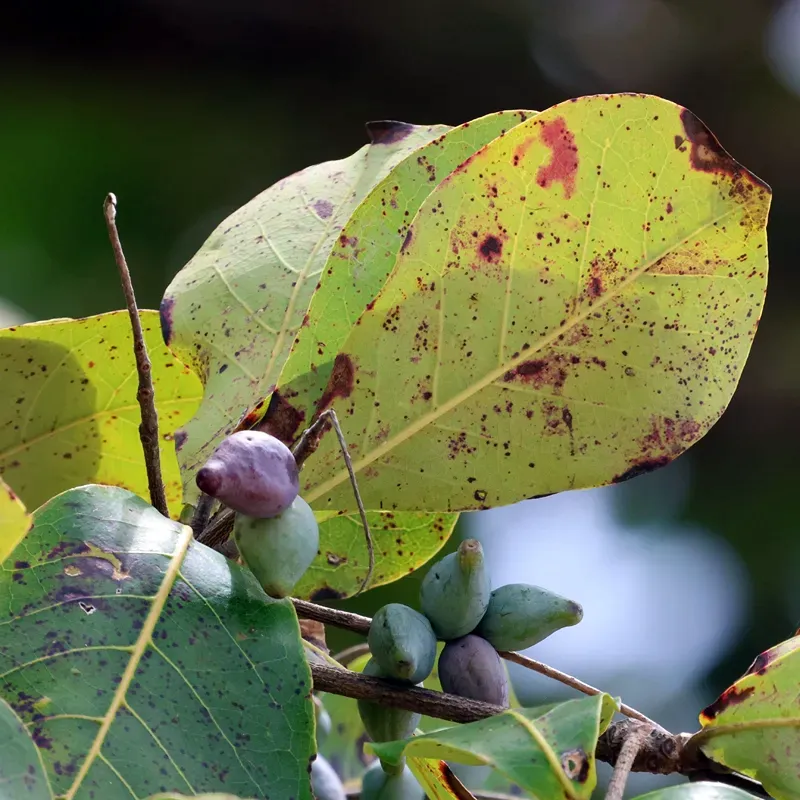
Australian Almond
Terminalia muelleri
The Australian Almond gives deep shade and turns some leaves brilliant red before it drops them. A tough, local street tree.
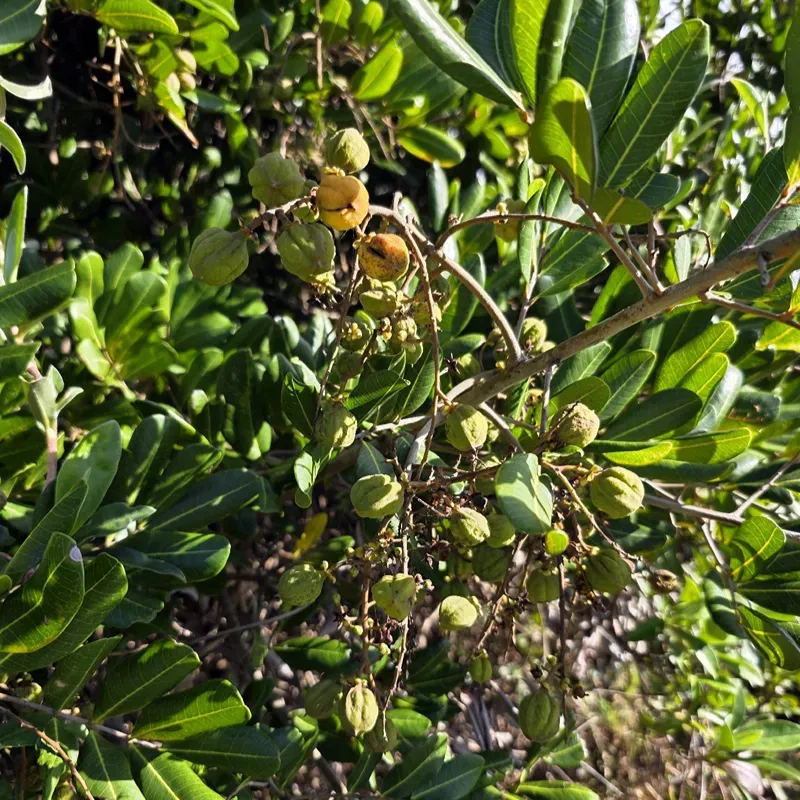
Tuckeroo
Cupaniopsis anacardioides
Tuckeroo is a neat, glossy shade tree that handles salt, wind and poor soil. Birds love its orange fruit capsules.
Flowering shrubs
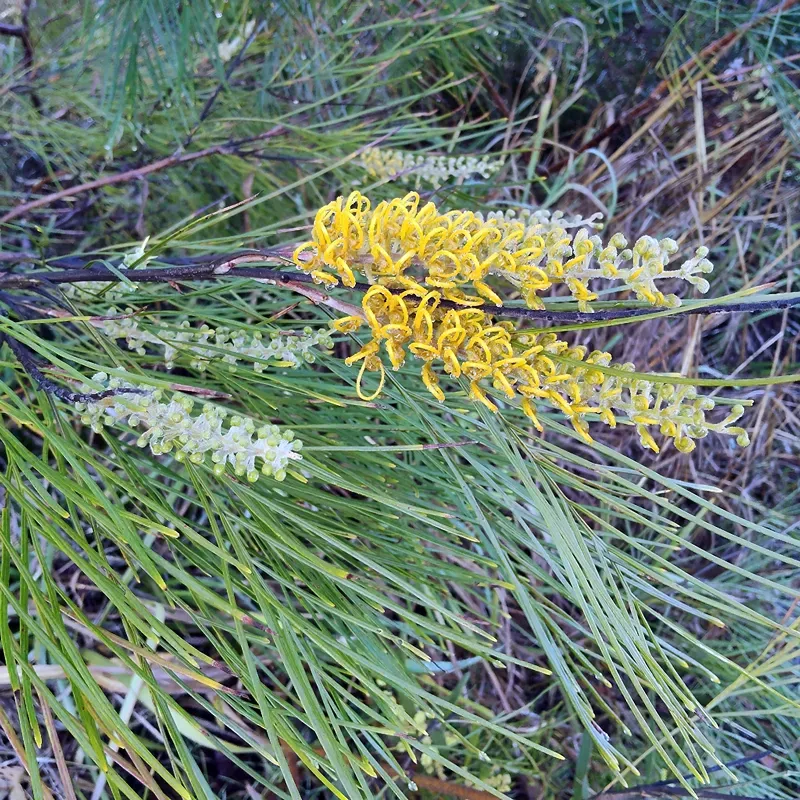
Fern-leaved Grevillea
Grevillea pteridifolia
Golden-orange brushes through the Dry, when little else is flowering. It's fast, tough and buzzing with honeyeaters.
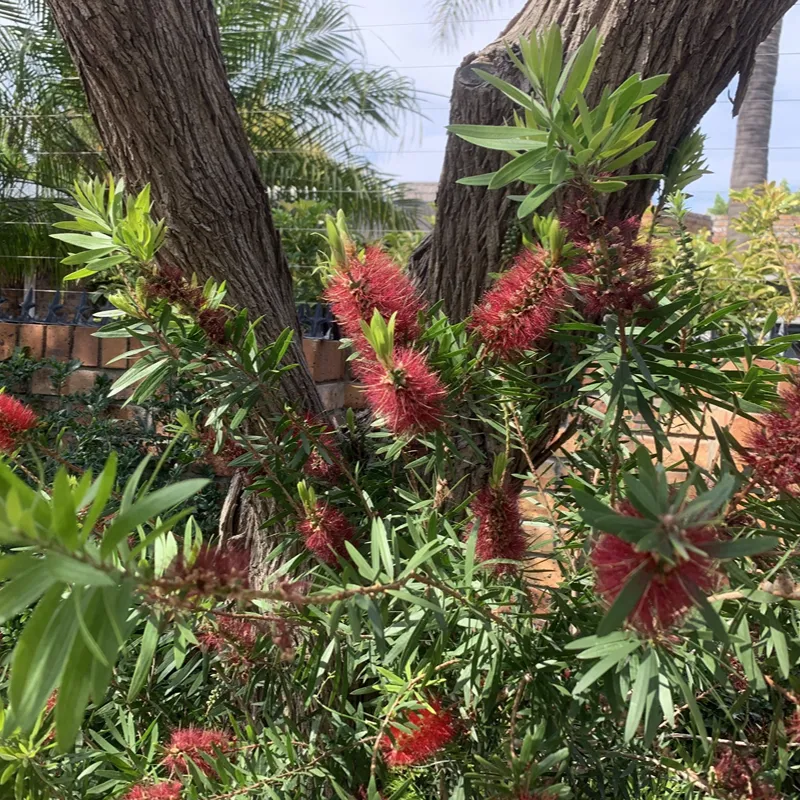
Weeping Bottlebrush
Callistemon viminalis
Red brushes on weeping branches, and a natural along creek lines. Dwarf forms suit smaller yards.
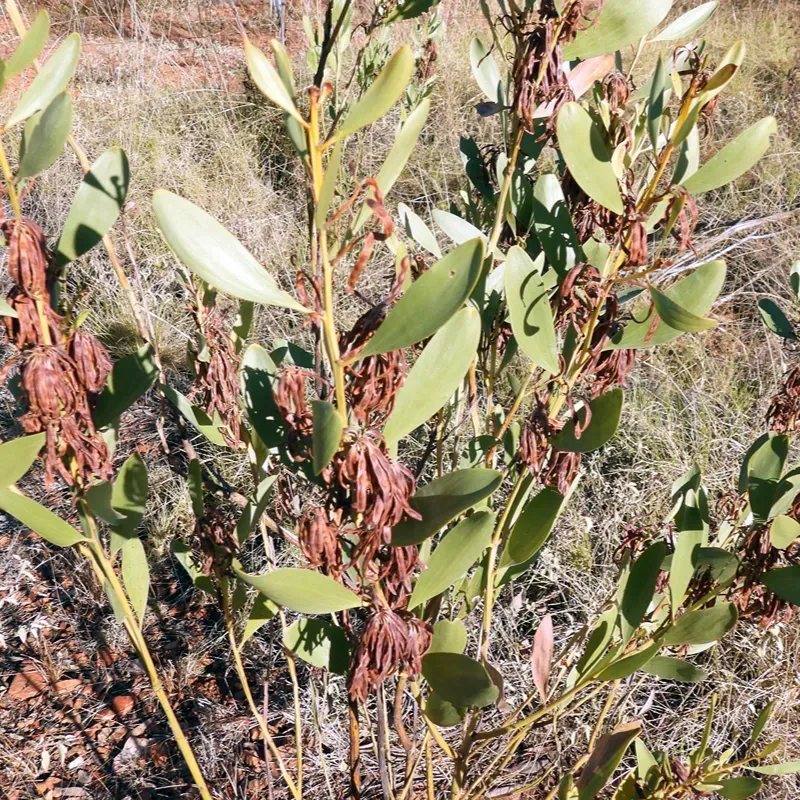
Candelabra Wattle
Acacia holosericea
Silvery, velvet-soft leaves and golden flower spikes. A fast filler that copes with poor soil.
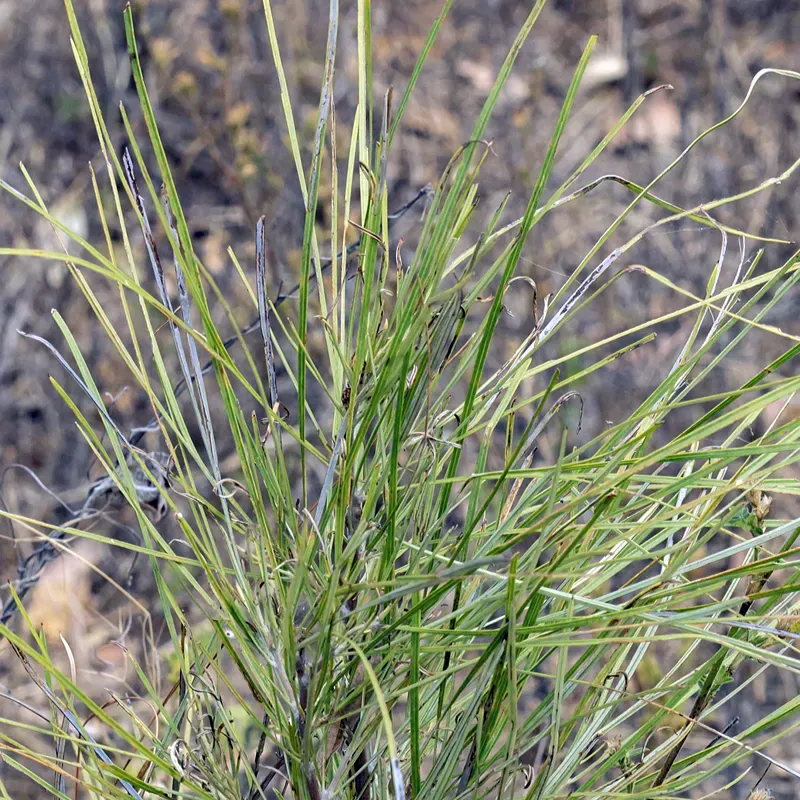
Silver Oak
Grevillea parallela
The Silver Oak has narrow silver leaves, papery bark and creamy flower spikes. It's a slender savanna local, at home on granite hills.
Hedges and screens
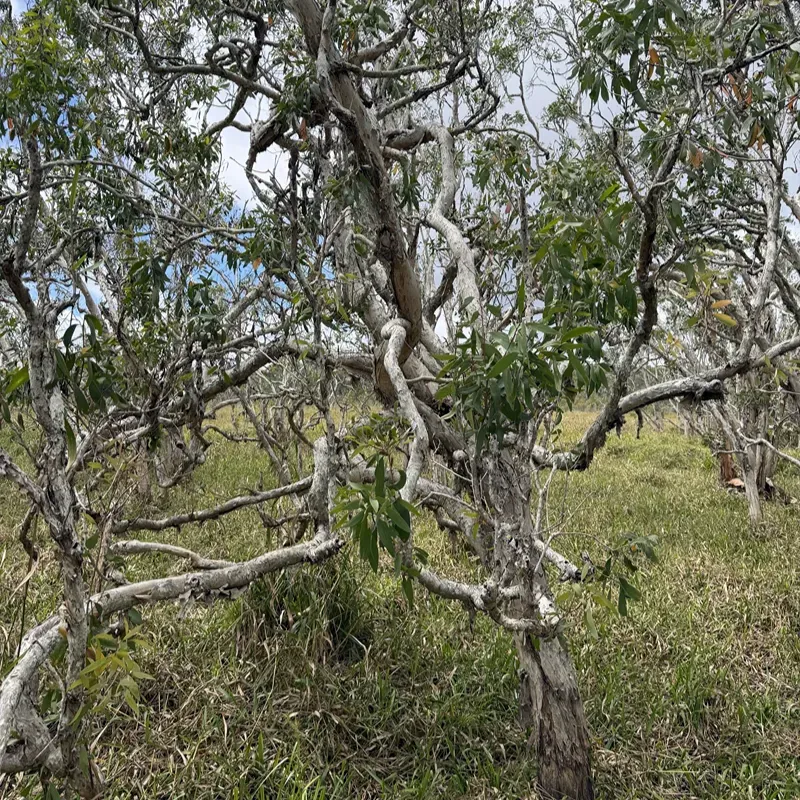
Broad-leaved Paperbark
Melaleuca viridiflora
Papery bark and bottlebrushes in cream, green or red. It handles both soggy clay in the Wet and baked ground in the Dry.
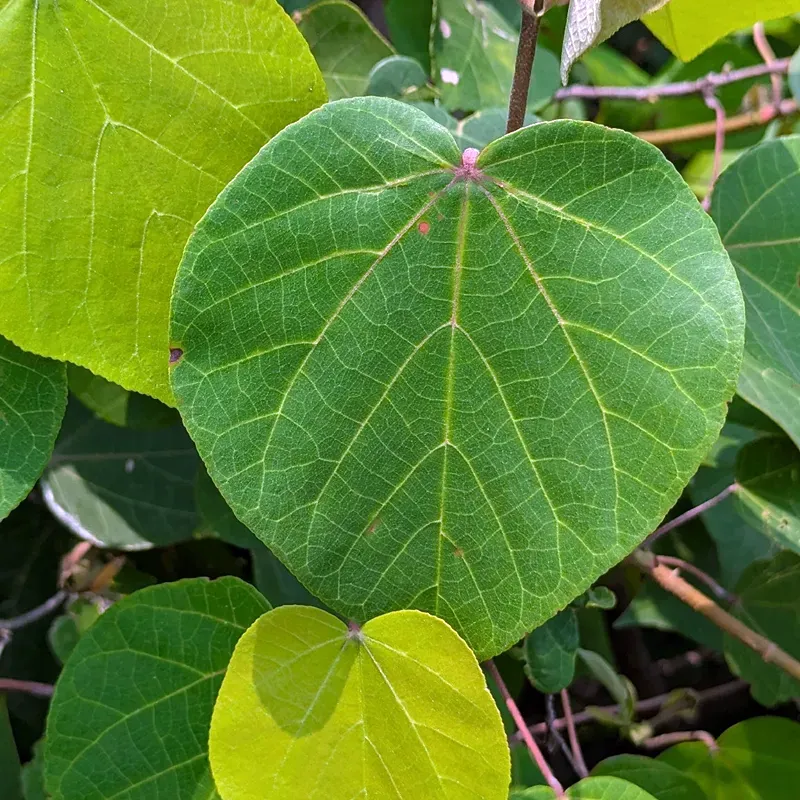
Cotton Tree
Hibiscus tiliaceus
Big yellow flowers that blush red by evening, on a fast screen that laughs at salt spray along the Strand.
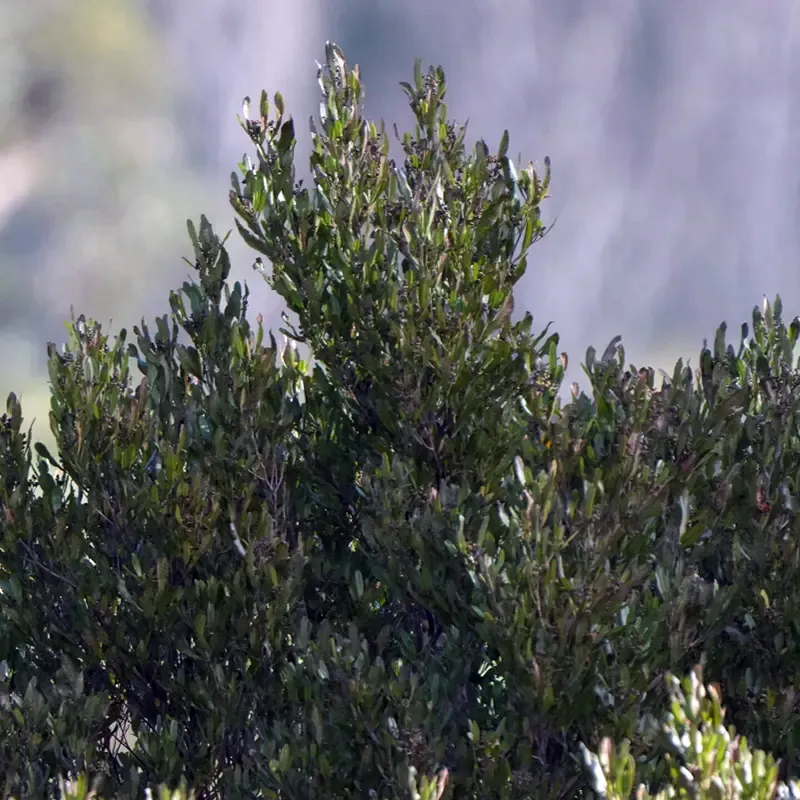
Sticky Hop Bush
Dodonaea viscosa
A fast, wind-firm screen for poor, dry soil, with papery seed capsules that glow in the late light.
Ground covers
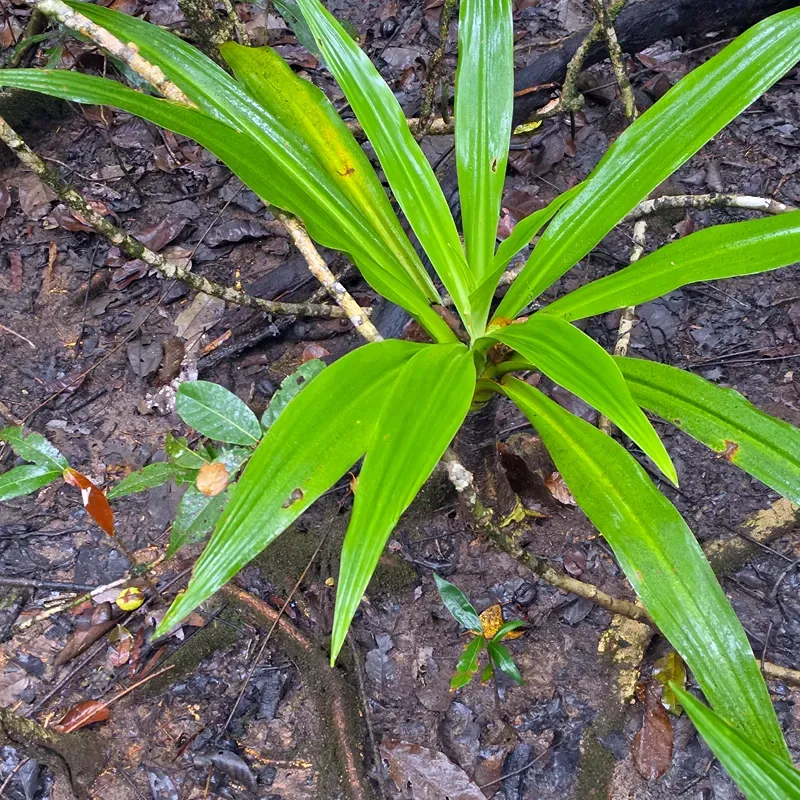
Swamp Lily
Crinum pedunculatum
Big, fragrant white flowers rising from broad, strappy leaves. It grows wild on Queensland's coastal creek banks.
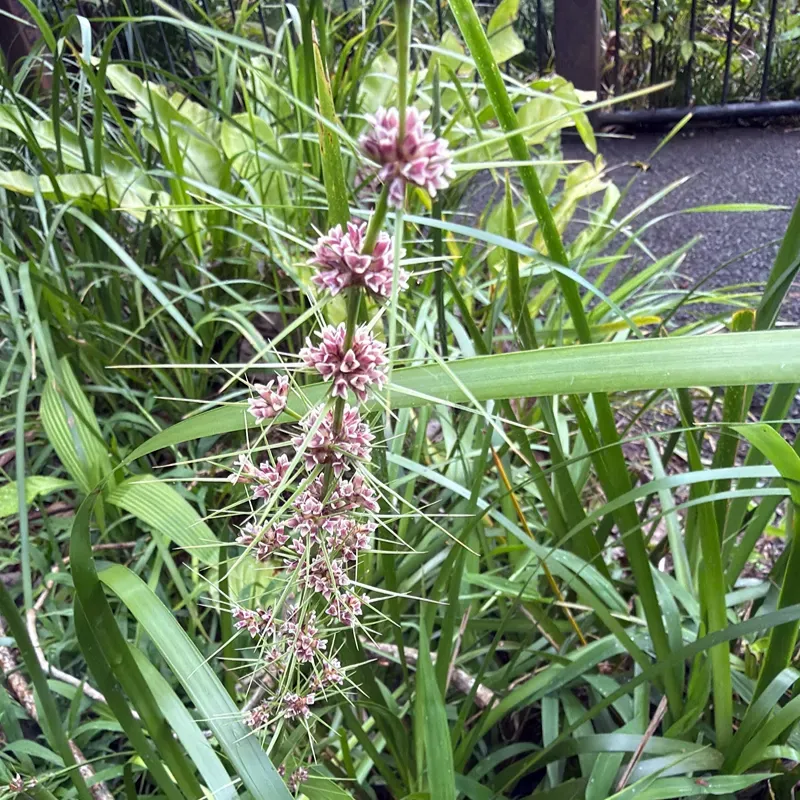
Green Mat-rush
Lomandra hystrix
The go-to clump for drains and low spots that flood in the Wet and bake in the Dry.
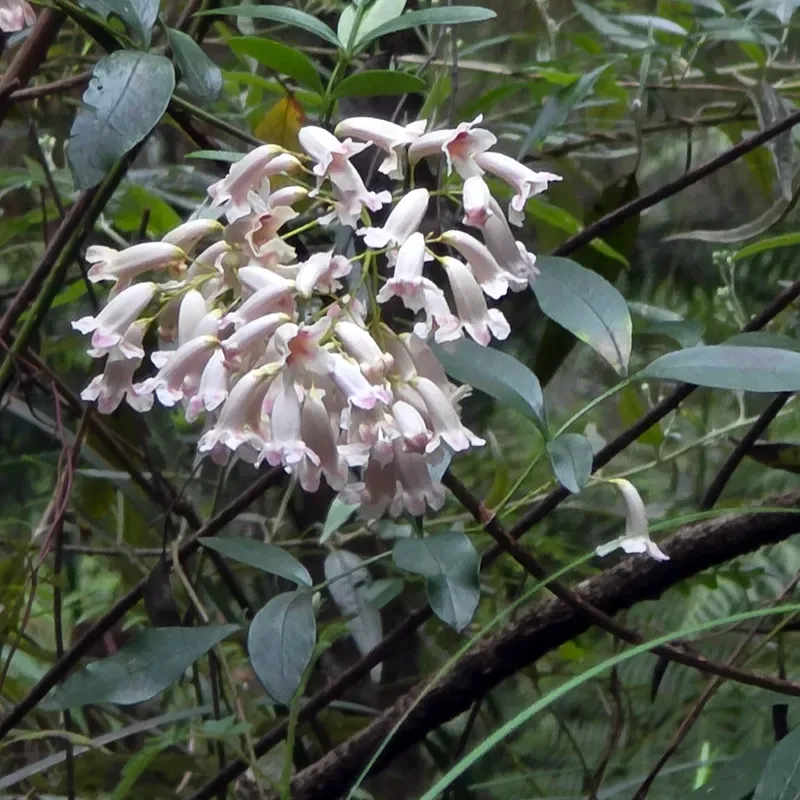
Wonga Vine
Pandorea pandorana
A vigorous climber with cascades of cream, bell-shaped flowers. It covers a fence fast.
Icons

Moreton Bay Ash
Corymbia tessellaris
The Moreton Bay Ash, with a dark, chequered skirt of bark at the base and smooth white limbs above. A classic of the north Queensland savanna.
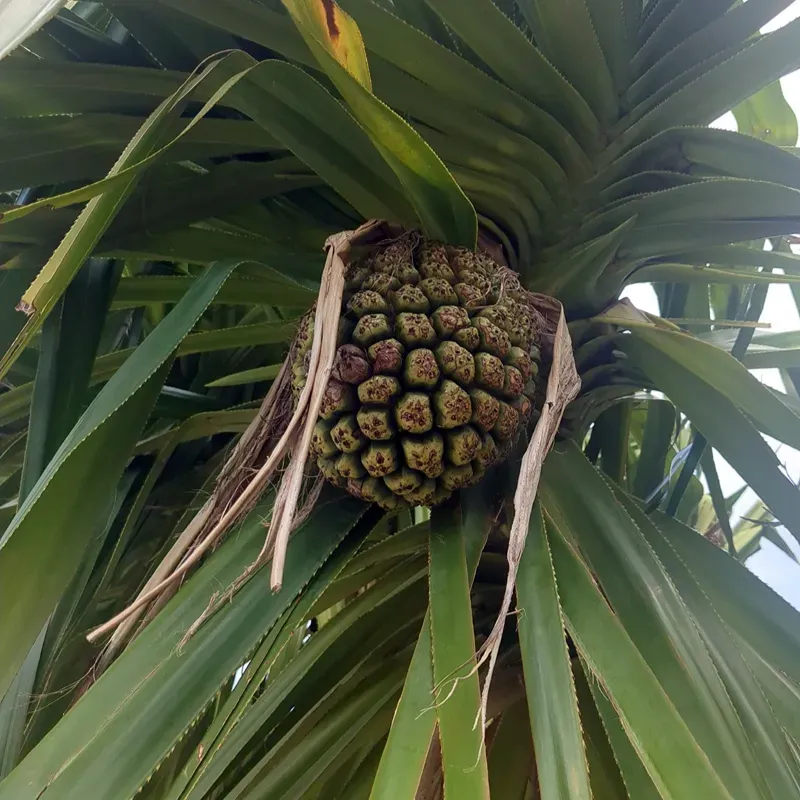
Coastal Screw Pine
Pandanus tectorius
The coastal screw palm, with stilt roots, spiral leaves and big, pineapple-like fruit. Instant beachfront character.
Townsville problems and what to plant
The long Dry. Plant at the start of the Wet so the storms establish your plants, and mulch heavily before the rain stops. Group plants by water needs: thirsty rainforest plants together near the house, and hardy savanna locals further out.
Floodplain clay. Plant on a mound so roots sit above the waterlogged Wet. Rough up the sides of the planting hole with a fork, because slick clay walls keep roots circling as if they're still in the pot. Paperbarks, Green Mat-rush and Weeping Bottlebrush cope with both extremes.
Granite hillsides. Build up planting pockets, mulch to hold what little moisture there is, and choose savanna plants that grow wild on the ranges, such as Silver Oak and Fern-leaved Grevillea.
Cyclones. Choose wind-firm local trees, keep big trees well clear of the house, and avoid shallow-rooted, top-heavy plants in exposed spots.
Where to buy native plants in Townsville
Townsville has community and Landcare nurseries growing dry tropics plants, plus garden centres. Local plants are your best bet for the long Dry. Check the list below for nurseries near you.
Nurseries in Townsville
Rocky Springs Nursery
Julago, QLD
Adam's Eden Garden Centre
Hermit Park, QLD
Delivers to Townsville
Native gardens to visit in Townsville
Anderson Gardens in Mundingburra is the largest botanic garden featuring dry tropics plants in Queensland, at 25 hectares. It has the world's largest public collection of Australian pandanus, a Cape York Peninsula collection, and a water-smart demonstration garden showing how to garden through the Dry on less water.
The Palmetum in Annandale is a 17-hectare garden devoted to palms, with around 60 Australian native species, from dry tropics to wet tropical lowlands.
Townsville native gardening FAQ
When's the best time to plant natives in Townsville?
At the start of the Wet, from about December to February. The storms do the watering while roots establish before the long Dry.
Which natives survive the Dry without water?
Savanna locals such as Poplar Gum, Moreton Bay Ash, Silver Oak, Fern-leaved Grevillea and Kangaroo Grass. Rainforest plants will need regular water.
Will natives grow in Townsville's clay?
Yes. Plant on a mound, rough up the planting hole, and choose plants that handle wet-then-dry conditions, such as paperbarks and mat-rushes.
Why do some Townsville trees drop their leaves in the Dry?
Several locals, including Poplar Gum and Australian Almond, are deciduous in the Dry to save water. They'll leaf up again with the first storms.
Where can I see native gardens in Townsville?
Anderson Gardens for dry tropics plants and water-smart ideas, and the Palmetum for native palms.
Browse all natives or start with a guide: Drought-tolerant native plants, Low-maintenance native plants, Small native trees, Plants for shade, Plants that attract birds, Summer-flowering natives for cool-temperate gardens.
Get natives matched to Townsville
Take the quiz with your exact postcode and we'll narrow this down to what actually suits your spot, not just the city average.
Take the quiz