Native Plants for Geelong Gardens
Natives for Geelong's basalt plains, Bellarine limestone and wind-scoured Surf Coast dunes.
What growing in Geelong actually means
Geelong looks like Melbourne's little sibling on the map, but its gardens live a different life. It's noticeably drier, with only around 540 mm of rain a year in town, and it's windier, with Port Phillip Bay on one side and Bass Strait on the other. On the Bellarine, the wind doesn't so much blow as audit your garden. Anything top-heavy, thirsty or soft-leaved gets found out by the first summer.
Geelong sits where three very different soils meet:
The basalt plains (north and west: Lara, Corio, the Moorabool Valley, Mount Duneed): fertile clay loam with basalt rock scattered through it, and poorly drained. You'll grow a fine crop of basalt boulders here whether you plant them or not.
The Bellarine Peninsula (Drysdale, Portarlington, Leopold): mostly sandy loam over limestone, with pockets of heavy volcanic clay around Mount Bellarine and Scotchmans Hill.
The coast (Torquay to Point Lonsdale): dune sand, salt and the full force of the weather off Bass Strait.
The flats around Moolap and Lake Connewarre: low-lying, heavy and often salty ground.
Geelong has a secret weapon most cities don't: the council has mapped the whole region into indigenous plant zones by soil and drainage, and publishes free lists of exactly what grew in each one before the suburbs arrived. Look up your zone before you buy anything. A plant that grew wild on your patch of ground is already matched to its soil, its rainfall and its wind.
Top native plants for Geelong
These are reliable across most of Geelong. For picks matched to your exact postcode, take the 2-minute quiz.
Trees
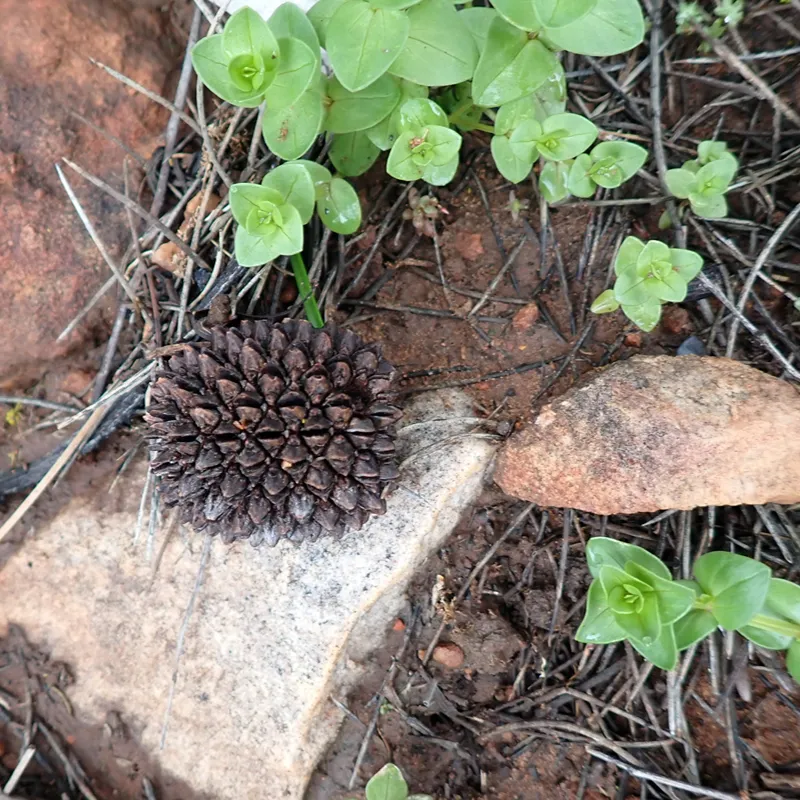
Drooping Sheoak
Allocasuarina verticillata
The tree of Geelong's old grassy woodlands, back when Kangaroo Grass covered the plains. Its weeping foliage handles wind that would shred a gum.
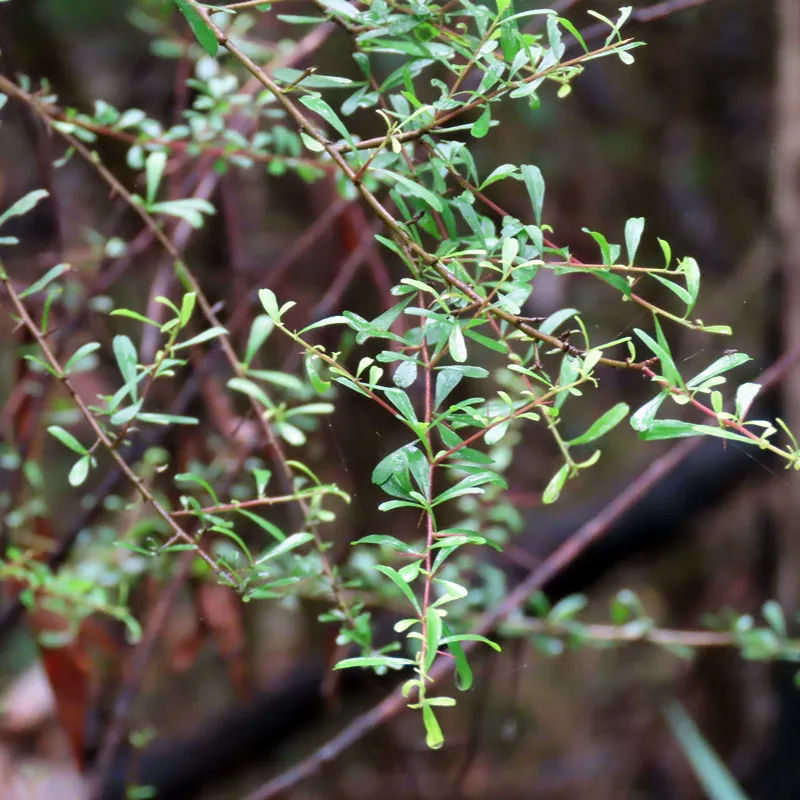
Sweet Bursaria
Bursaria spinosa
A small local tree that froths with honey-scented white flowers in summer, when the butterflies arrive in droves.
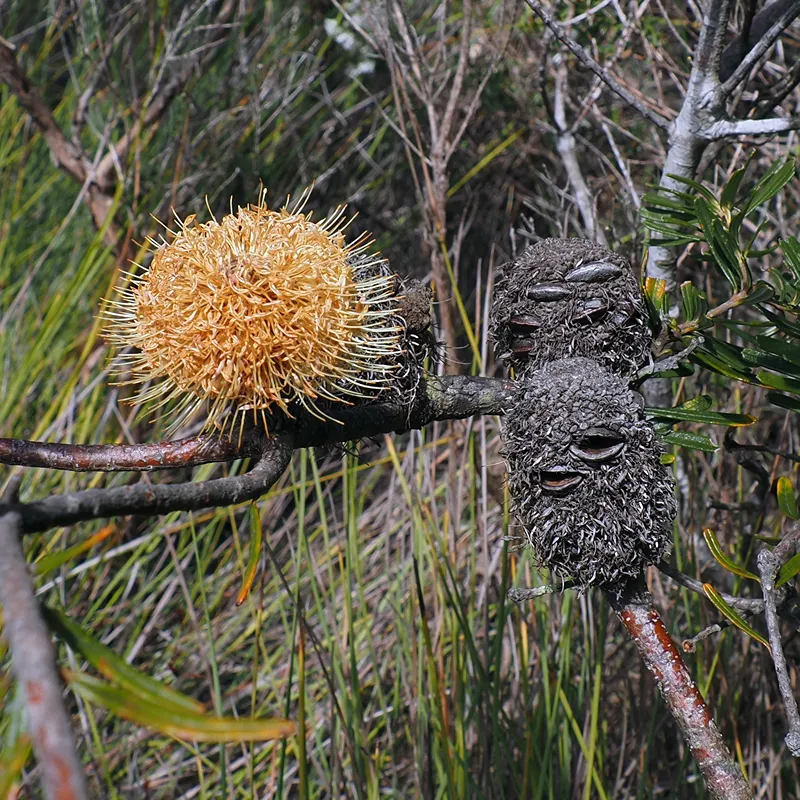
Silver Banksia
Banksia marginata
A Bellarine local with pale yellow candles through autumn and winter. It's happy in sand and shrugs off salt.
Flowering shrubs
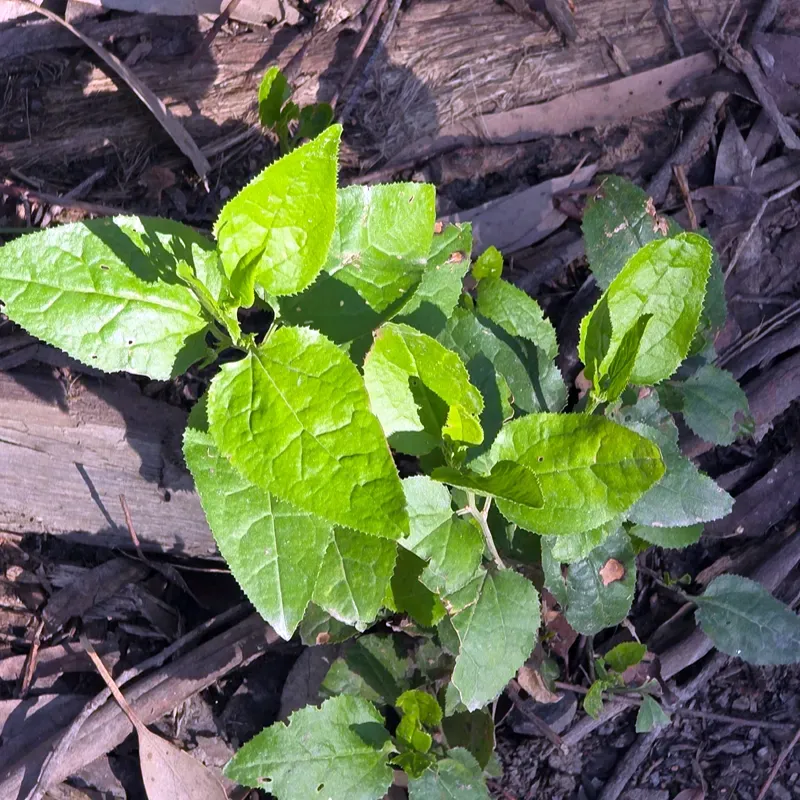
Hop Goodenia
Goodenia ovata
A quick, cheerful filler with yellow flowers for months. It grows wild along Geelong's creeks and damp gullies.
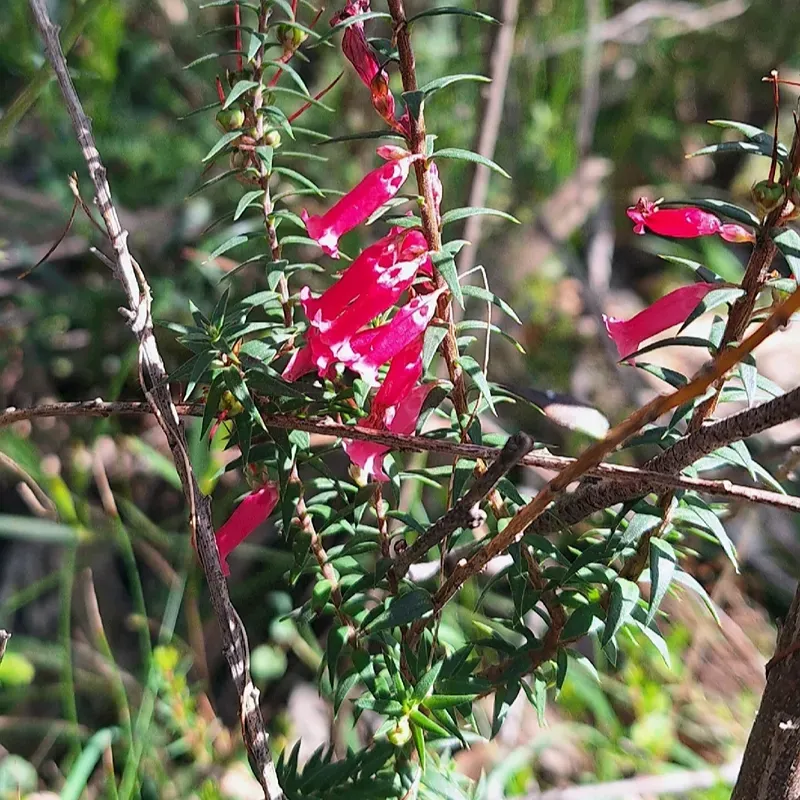
Common Heath
Epacris impressa
Victoria's floral emblem, with pink, red or white bells through winter. It wants sandy, well-drained soil, which the Bellarine has plenty of.
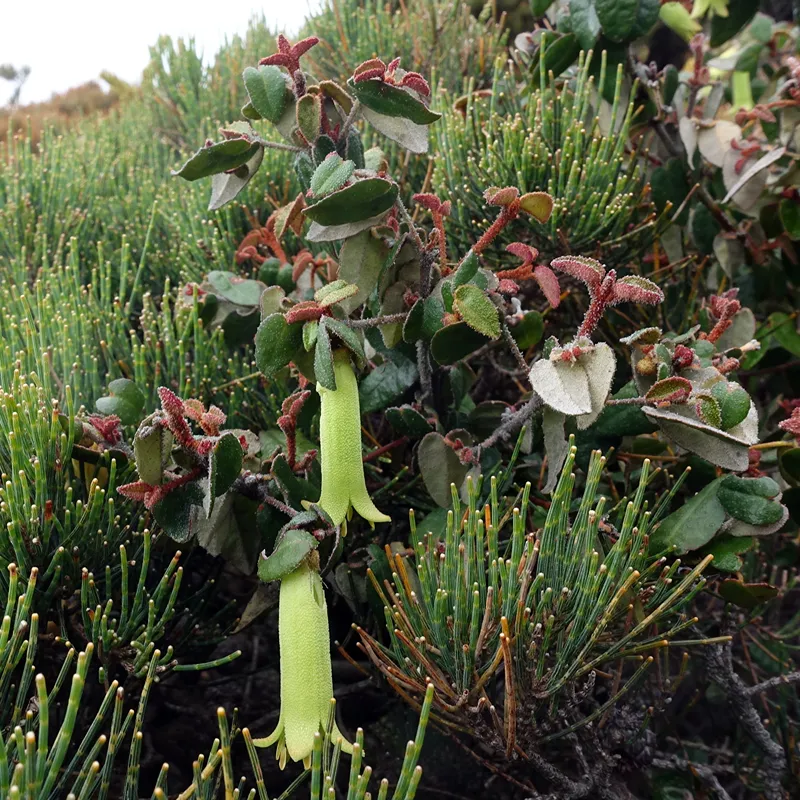
Common Correa
Correa reflexa
Winter bells for honeyeaters, and tough enough for dry shade on a windy block.

Prickly Tea Tree
Leptospermum continentale
A local tea-tree with white spring flowers and prickly branches small birds love to hide in.
Hedges and screens
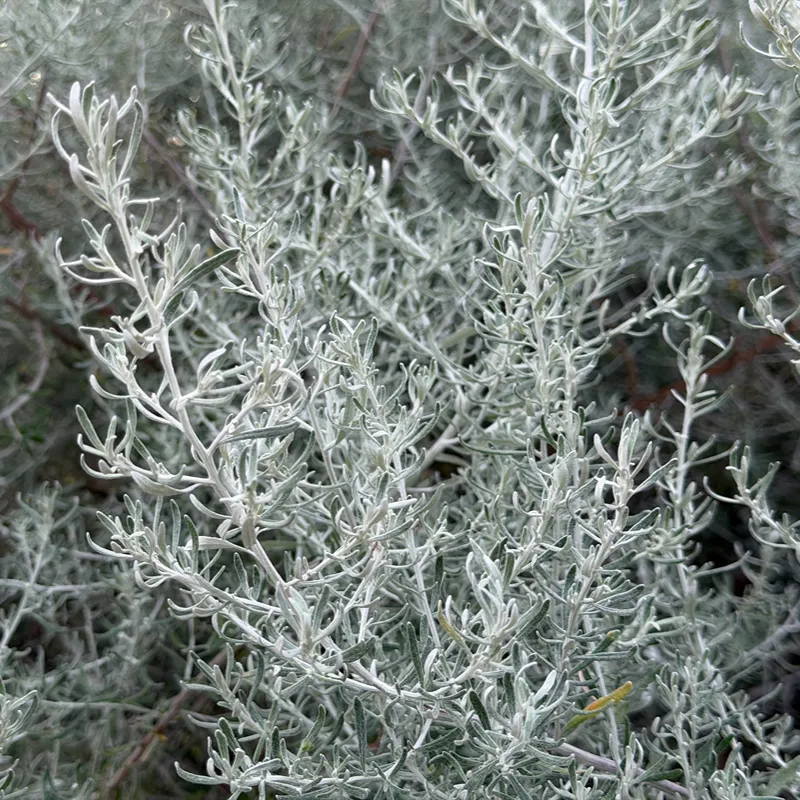
Coastal Daisy Bush
Olearia axillaris
Silver-grey foliage that laughs at salt wind. Plant it on the exposed side as a living windbreak.
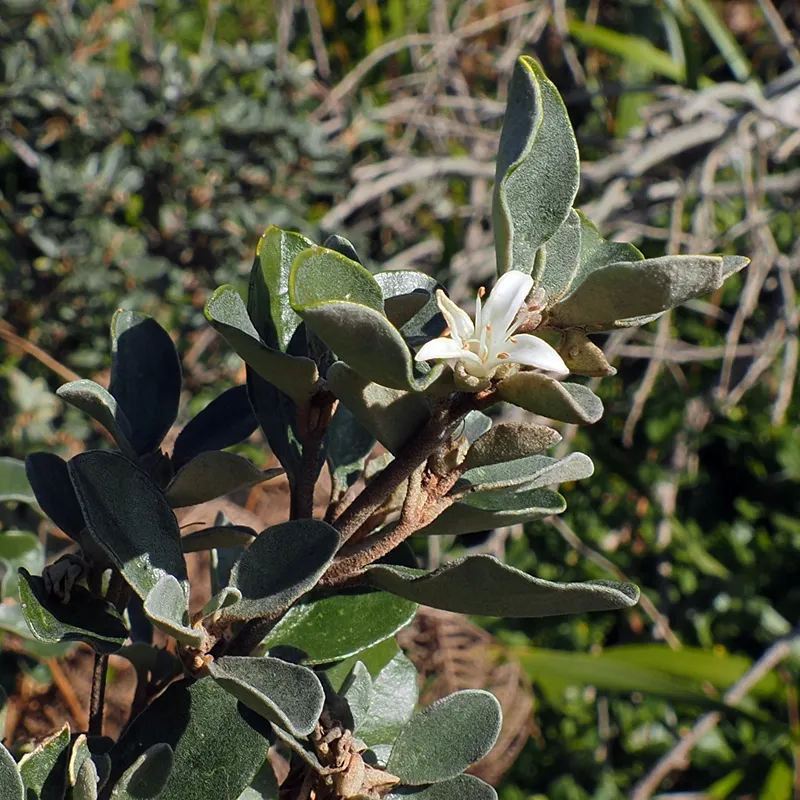
White Correa
Correa alba
A dense, rounded coastal shrub with white star flowers, made for front-row gardens in Torquay or Barwon Heads.
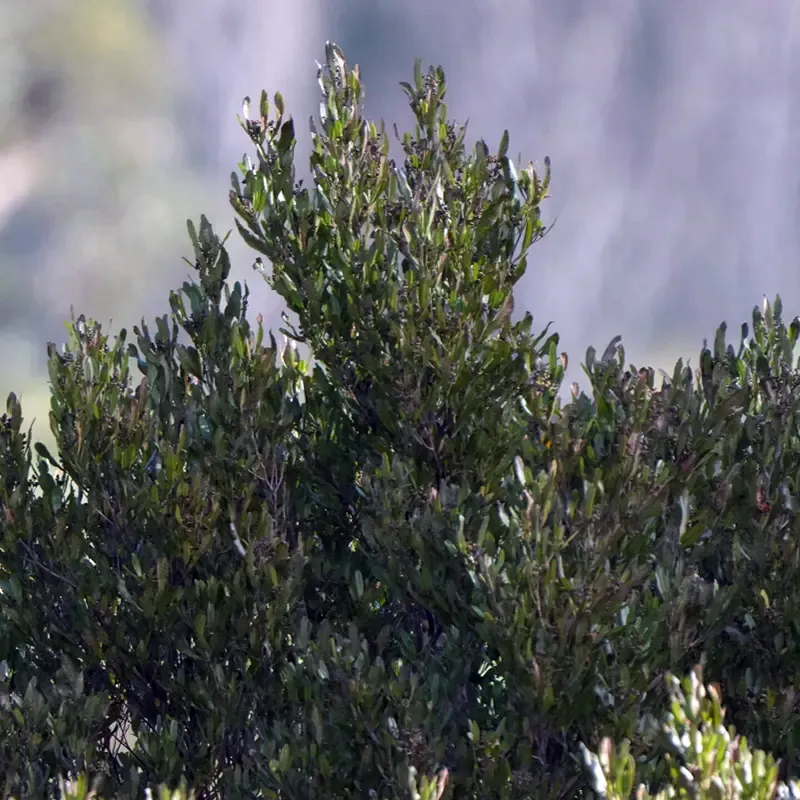
Sticky Hop Bush
Dodonaea viscosa
A fast, wind-firm screen that asks for almost nothing, with seed pods that glow red in late summer.
Ground covers
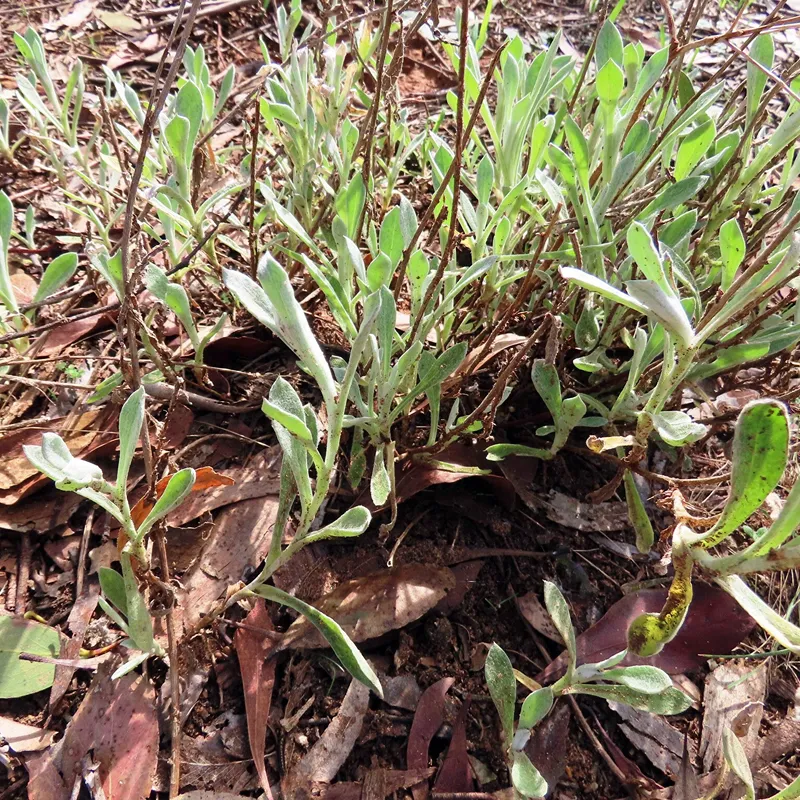
Common Everlasting
Chrysocephalum apiculatum
Golden button flowers for months on almost no water. It's perfect for Geelong's dry summers.
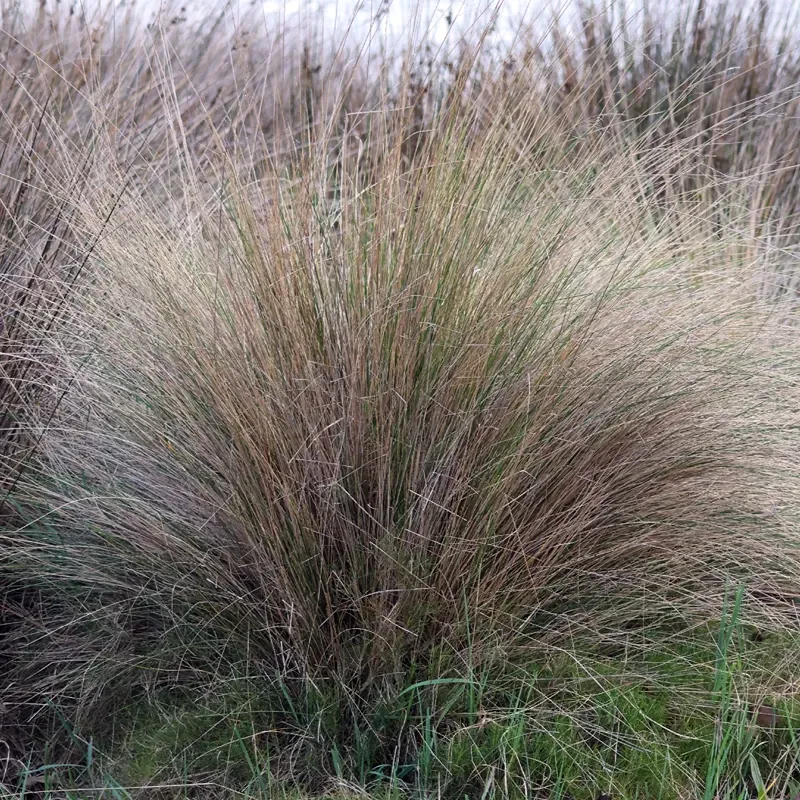
Common Tussock Grass
Poa labillardierei
Soft, blue-green tussocks that grew in the damper spots across the region, and a good lawn alternative for low ground.
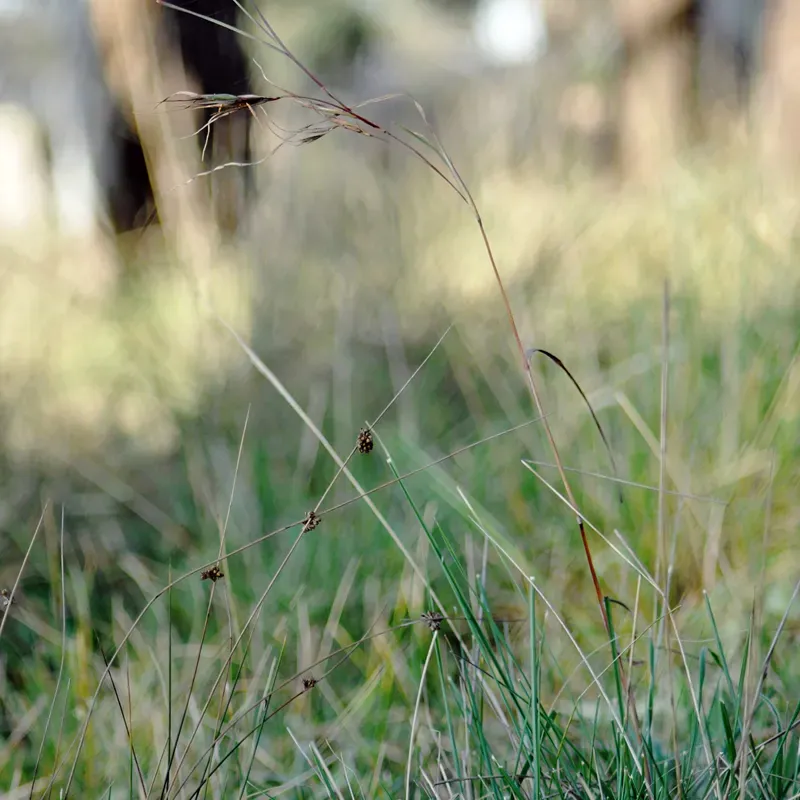
Kangaroo Grass
Themeda triandra
The grass that once dominated Geelong's plains, with rust-red seed heads swaying in the summer wind.
Icons
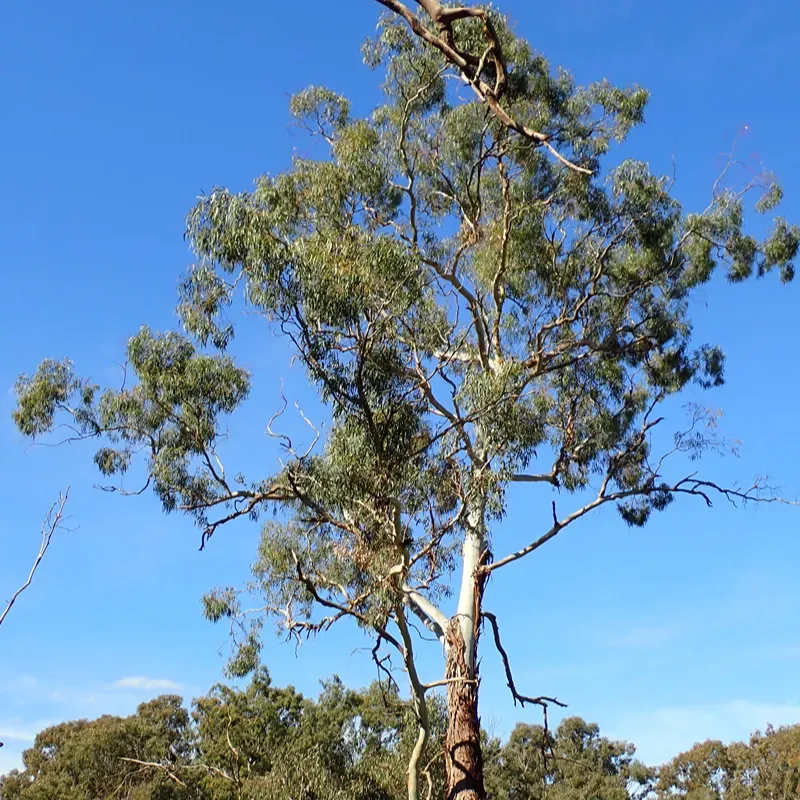
Manna Gum
Eucalyptus viminalis
The koala's favourite gum, and once a dominant tree of the Bellarine plains. It's for big blocks only, but worth knowing.
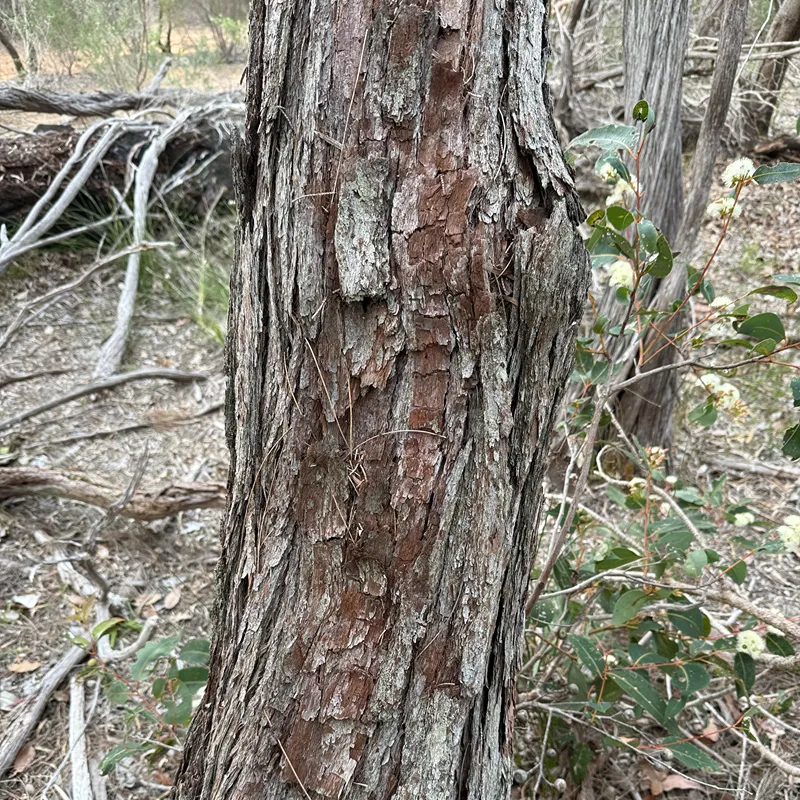
Yellow Gum
Eucalyptus leucoxylon
A local of the eastern Bellarine plains, with winter flowers that keep honeyeaters fed when little else is blooming.
Geelong problems and what to plant
Wind and salt. Build your garden in layers. Coastal Daisy Bush, White Correa and Sticky Hop Bush go on the windward side, so softer plants grow in their lee. Stake young trees loosely, so they flex and strengthen instead of snapping.
Basalt clay. Plant on a slight mound so roots sit above wet winter soil. Rough up the walls of the planting hole with a fork, because slick clay sides keep roots circling as if they're still in the pot. Prise out the bigger rocks as you go, and use them to edge your beds.
Limestone on the Bellarine. Sand over limestone can be alkaline. To check, splash a little vinegar on a spoonful of soil. If it fizzes, there's lime, so choose lime-tolerant locals such as Coastal Daisy Bush, Sticky Hop Bush and Yellow Gum over fussy acid-lovers.
Dry summers. Geelong gets less rain than Melbourne, and summer winds dry soil fast. Mulch thickly, plant in autumn, and water deeply but rarely in the first summer.
Where to buy native plants in Geelong
Geelong has several indigenous nurseries growing plants from local seed, matched to the council's plant zones, plus community nurseries and garden centres with good native ranges. Check the list below for nurseries near you and who delivers.
Nurseries in Geelong
Valley Road Nursery
Highton, VIC
Diaco's Garden Nursery (Geelong)
VIC
Flintstones Garden Supply Centre
VIC
Delivers to Geelong
Native gardens to visit in Geelong
Geelong Botanic Gardens has been growing for more than 150 years in Eastern Park, close to the city centre. At the entrance, its 21st Century Garden is planted entirely with drought-tolerant, low-water plants, and it's full of ideas for a dry, windy Geelong block.
The Brisbane Ranges National Park, north of town, is a famous wildflower area in spring, and shows what Geelong's dry bush looks like in full flower.
The You Yangs rise out of the plains to the north, with granite peaks, open woodland and walking tracks that show how plants cope on thin, rocky ground.
Geelong native gardening FAQ
When's the best time to plant natives in Geelong?
Autumn, once the first rain has fallen. Roots establish over winter, before the dry, windy summer.
What natives cope with Geelong's wind?
Coastal Daisy Bush, White Correa, Sticky Hop Bush and Drooping Sheoak. Plant them on the exposed side to shelter the rest of the garden.
Where do I find which plants are indigenous to my suburb?
The City of Greater Geelong publishes indigenous plant lists for each soil zone across the region. Your local indigenous nursery can help you match them to your block.
Will natives grow in Geelong's clay?
Yes. Plant on a mound, rough up the sides of the hole, and choose plants that grew on the basalt plains, such as Drooping Sheoak, Sweet Bursaria and Kangaroo Grass.
Where can I see native gardens in Geelong?
The 21st Century Garden at Geelong Botanic Gardens, plus the Brisbane Ranges and the You Yangs for natives in the wild.
Browse all natives or start with a guide: Drought-tolerant native plants, Low-maintenance native plants, Small native trees, Plants for shade, Plants that attract birds, Summer-flowering natives for cool-temperate gardens.
Get natives matched to Geelong
Take the quiz with your exact postcode and we'll narrow this down to what actually suits your spot, not just the city average.
Take the quiz