Native Plants for Hobart Gardens
Natives for Hobart's dry summers, frosty valleys and the slopes of kunanyi.
What growing in Hobart actually means
Hobart has a reputation for being cold and wet. It's half right. Hobart is Australia's second-driest capital city, because the mountains of western Tasmania catch most of the rain before it arrives. Summer can be surprisingly dry, and gardens on the hillsides and the Eastern Shore feel it.
The city sits at the foot of kunanyi / Mount Wellington, a mountain of dolerite rock, and much of Hobart's soil comes from it.
The hillside suburbs (West Hobart, Mount Stuart, the foothills of kunanyi): stony clay loams, often with dolerite boulders. They drain well on the slopes but can be shallow.
The valleys and lower suburbs: heavier clay and colder nights. Frost settles in the low spots.
The Eastern Shore and coastal suburbs: drier, sunnier and windier, with lighter soils in places.
Locals will warn you about the frost and the wind, but the bigger threat to a new native garden often has fur. Possums, pademelons and wallabies treat freshly planted natives as a buffet, especially on the bush edge. Guard new plants until they're big enough to survive a nibble, or choose prickly plants the wildlife leaves alone.
Top native plants for Hobart
These are reliable across most of Hobart. For picks matched to your exact postcode, take the 2-minute quiz.
Trees
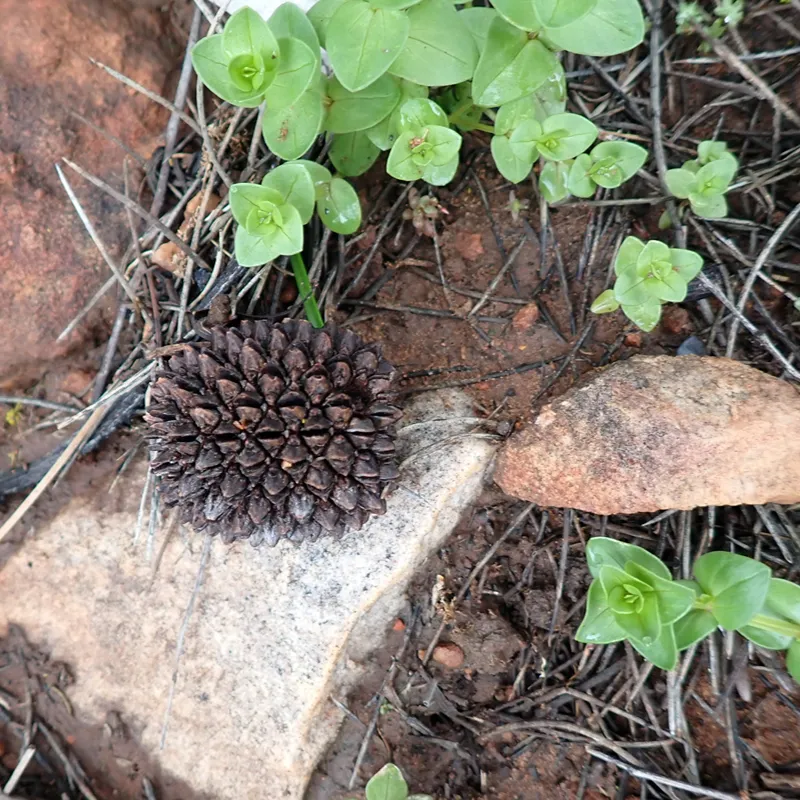
Drooping Sheoak
Allocasuarina verticillata
At home on Hobart's dry hillsides. Its weeping foliage sighs in the wind, and its cones feed black cockatoos.
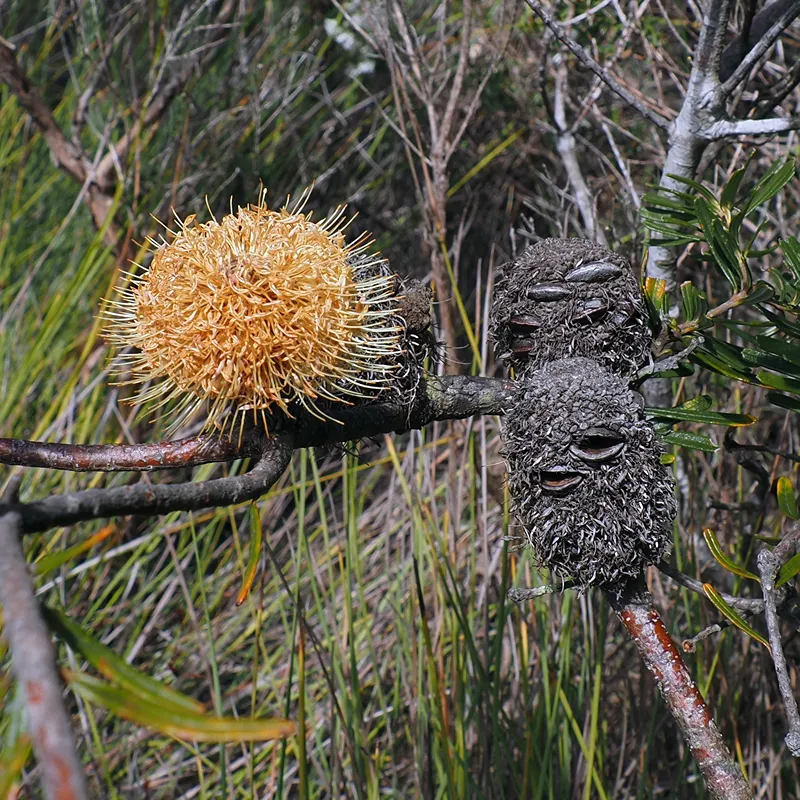
Silver Banksia
Banksia marginata
A Tasmanian local with pale yellow brushes for honeyeaters through autumn and winter.
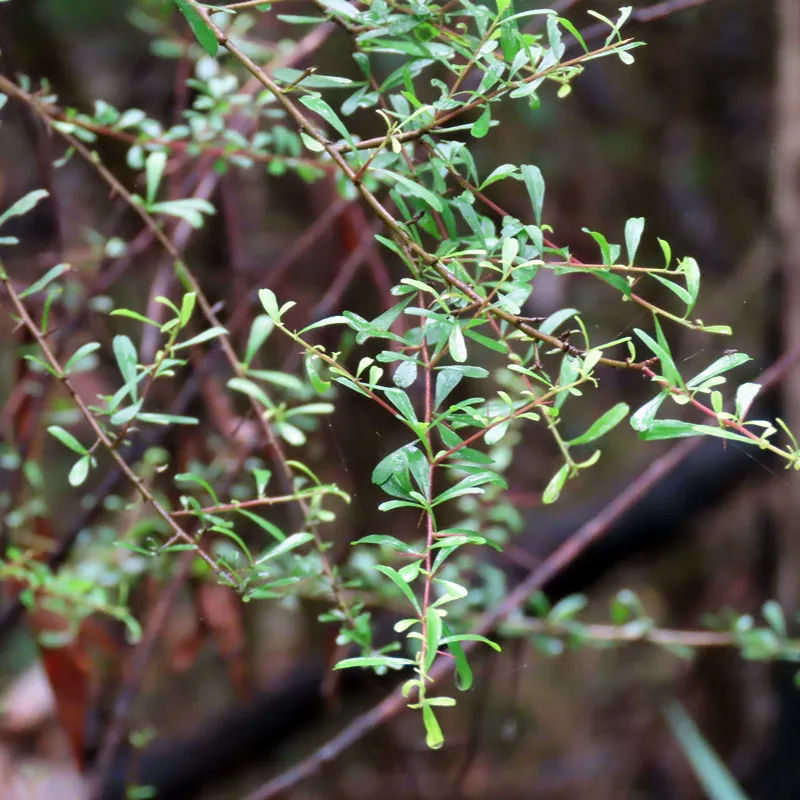
Sweet Bursaria
Bursaria spinosa
A small tree with honey-scented white flowers in summer, and prickly enough that browsers leave it alone.
Flowering shrubs
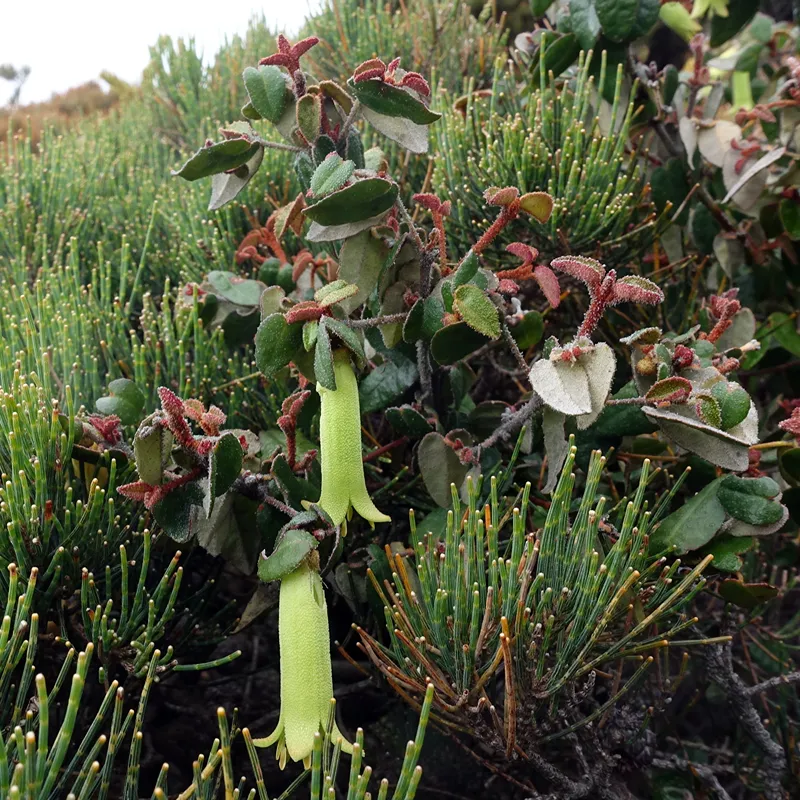
Common Correa
Correa reflexa
Winter bells in red or green for honeyeaters, and tough in dry shade.
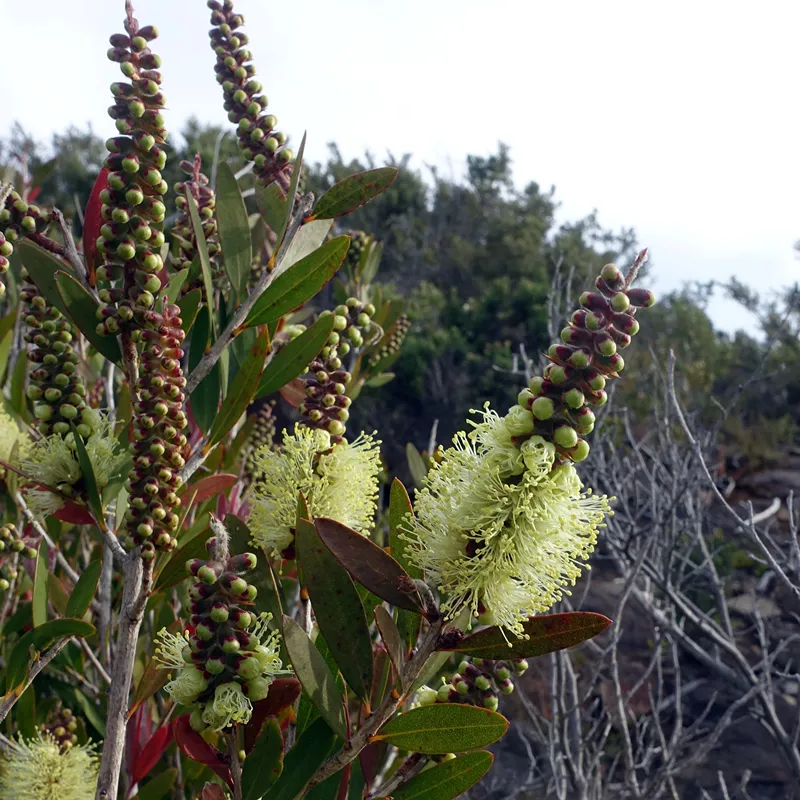
Lemon Bottlebrush
Callistemon pallidus
Soft lemon-yellow brushes in spring. A Tasmanian native, and frost-hardy.

Dusty Daisy Bush
Olearia phlogopappa
Grey-green leaves smothered in white or mauve daisies in spring.
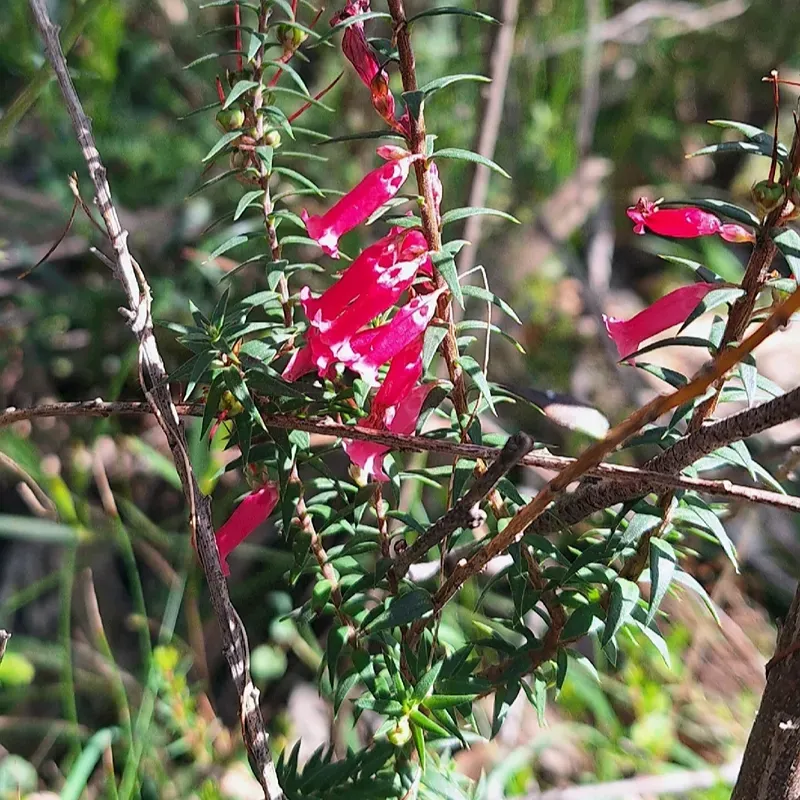
Common Heath
Epacris impressa
Pink, red or white tubular flowers through winter. Victoria's floral emblem, but a Tasmanian native too.
Hedges and screens
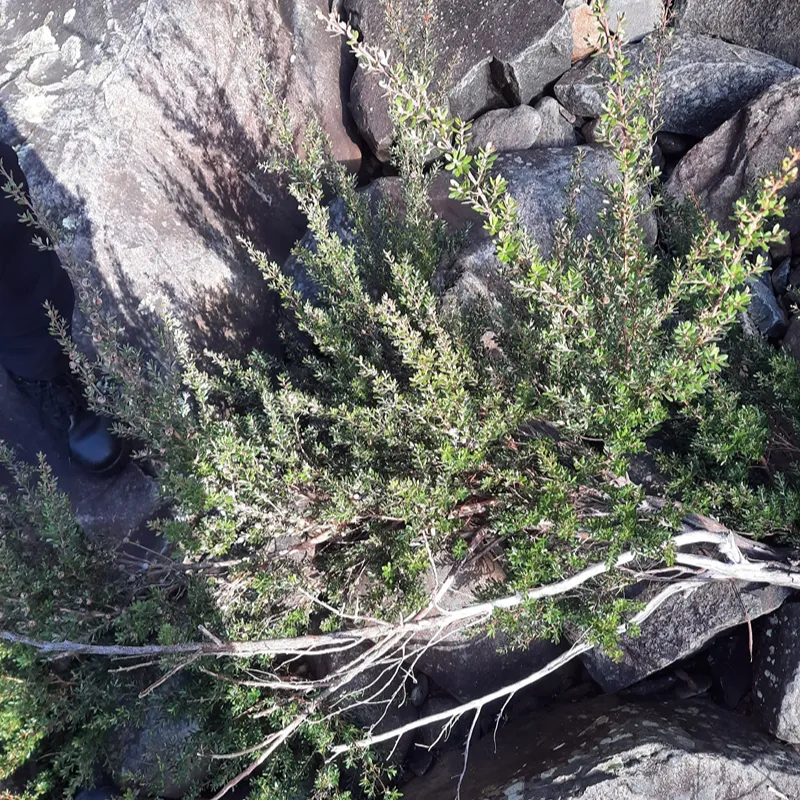
Woolly Tea Tree
Leptospermum lanigerum
Soft, silvery foliage and white flowers. It handles damp ground and frost.

Swamp Paperbark
Melaleuca ericifolia
The answer for wet spots and heavy clay. It's happy with its roots in water.
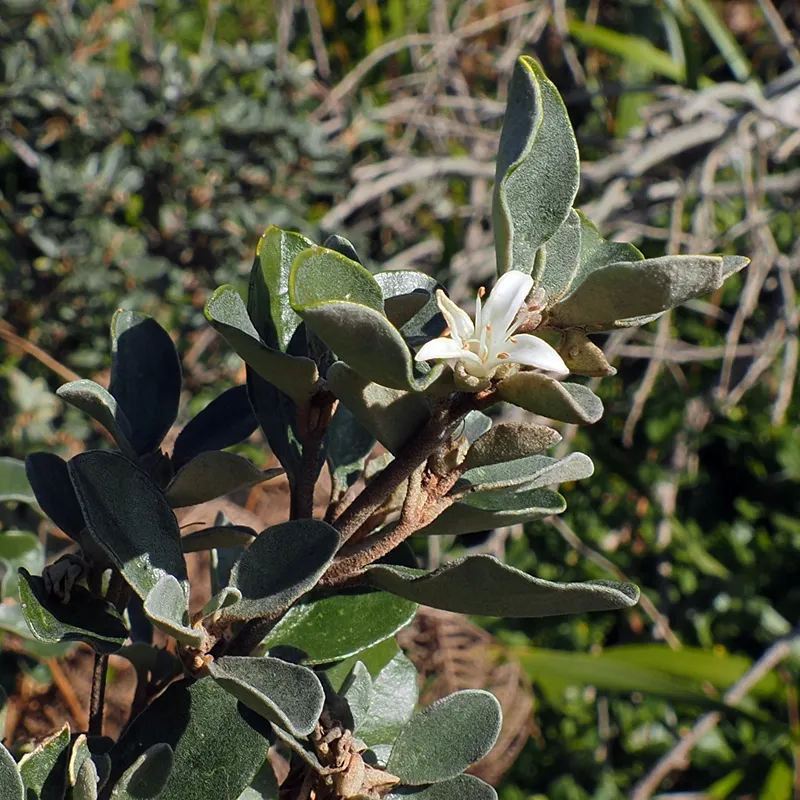
White Correa
Correa alba
A dense, salt-tolerant shrub for coastal gardens, and very tough.
Ground covers
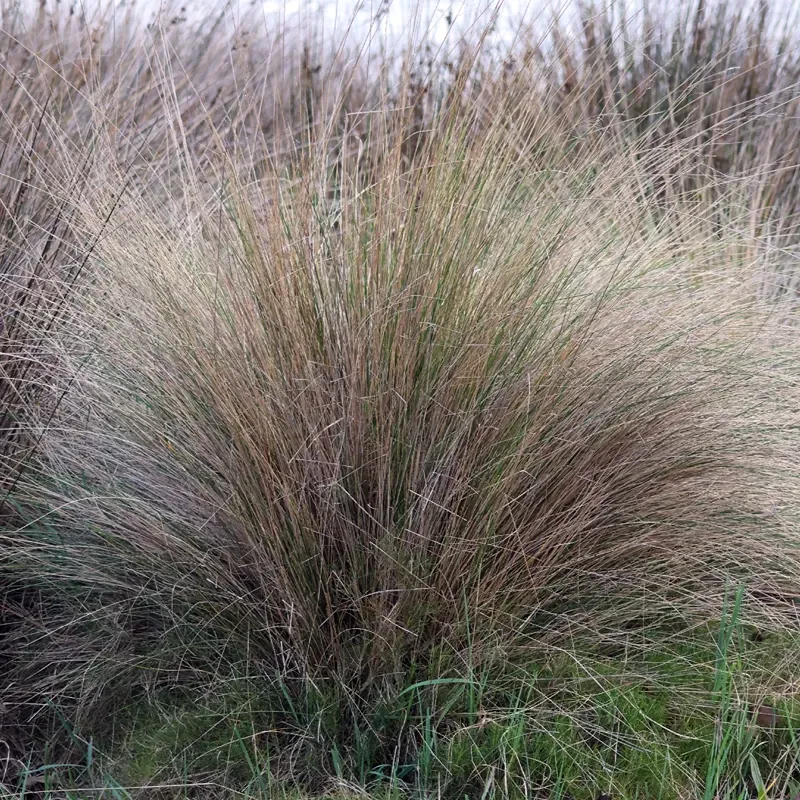
Common Tussock Grass
Poa labillardierei
Soft, fine-leaved clumps that work as a lawn alternative or a meadow.

Black-anther Flax-Lily
Dianella revoluta
Strappy leaves, blue flowers and then berries. It's tough in dry, poor soil.
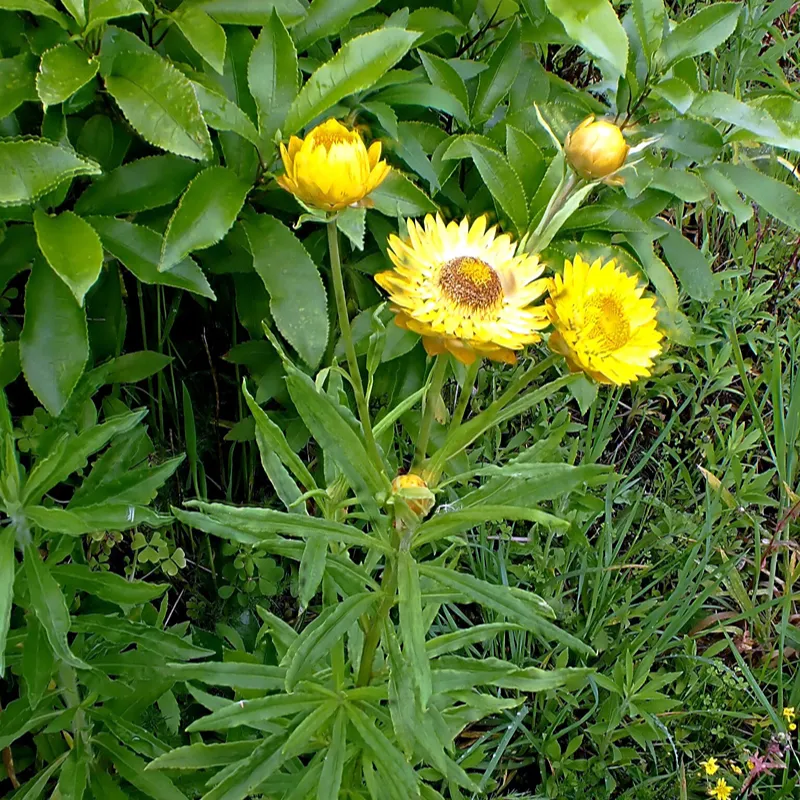
Strawflower
Xerochrysum bracteatum
Papery everlasting daisies in gold, orange and pink through summer.
Icons

Tasmanian Blue Gum
Eucalyptus globulus
Tasmania's floral emblem and one of the tallest trees on earth. It's only for very big blocks, but worth knowing.
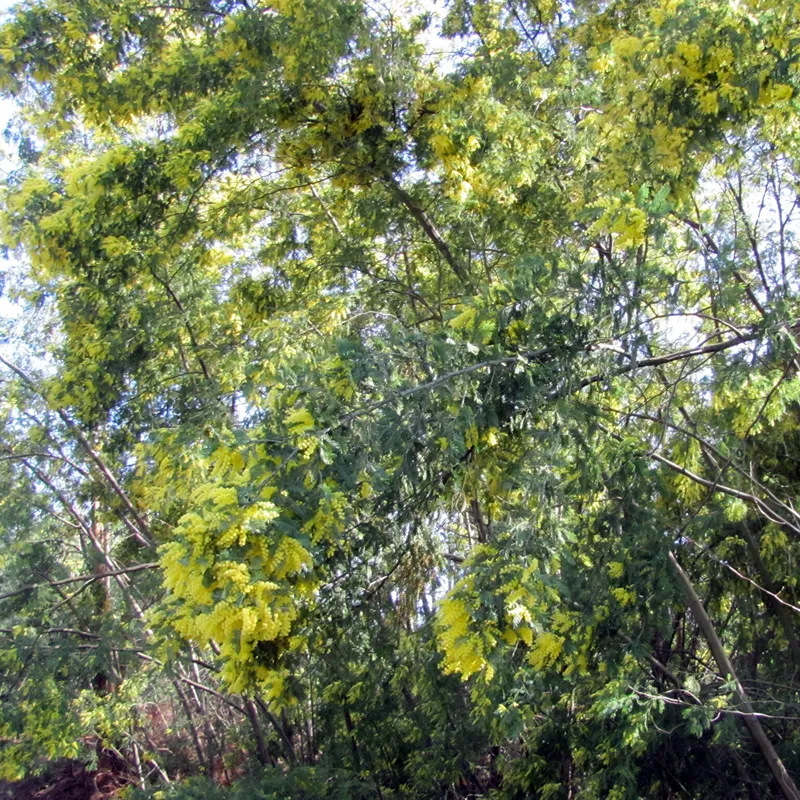
Silver Wattle
Acacia dealbata
The gold that lights up Hobart's hills in late winter. It's fast-growing and short-lived, so plant it for the show.
Hobart problems and what to plant
Possums, pademelons and wallabies. Use tree guards on new plants for the first year. Prickly or tough-leaved natives, such as Sweet Bursaria, Common Heath and Woolly Tea Tree, are less tempting.
Frost in the valleys. Put frost-hardy plants in the low spots: Lemon Bottlebrush, Woolly Tea Tree and Common Correa. Keep tender plants near the house. In the heavier valley clay, rough up the sides of each planting hole so roots don't stay wrapped up as if they were still in the pot.
Dry summers and shallow soil. Hillside gardens dry out fast. Mulch well, water new plants deeply through their first summer, and choose plants from Tasmania's dry east coast.
Where to buy native plants in Hobart
Hobart has specialist nurseries growing Tasmanian natives, including local-provenance plants, plus community nurseries and garden centres. Because of Tasmania's quarantine rules, few mainland nurseries can ship plants to Hobart, so local nurseries are your best bet. Check the list below for who's near you.
Nurseries in Hobart
Delivers to Hobart
Native gardens to visit in Hobart
The Royal Tasmanian Botanical Gardens are Australia's second-oldest botanic gardens, dating from 1818. Their Tasmanian flora collection shows native plants by vegetation type, and the Subantarctic Plant House recreates Macquarie Island inside a building.
kunanyi / Mount Wellington is the best native garden of all: walking tracks from the dry lower slopes up to alpine heath show which plants grow at which height, and so which will suit your garden.
Hobart native gardening FAQ
When's the best time to plant natives in Hobart?
Autumn, while the soil is still warm, or early spring once the worst frosts pass. Avoid planting just before the dry summer.
How do I stop possums eating my new plants?
Tree guards or wire cages for the first year, until plants are established. Prickly natives are less likely to be eaten.
Can I buy native plants from mainland nurseries?
Mostly no. Tasmania's quarantine rules restrict plants coming in from the mainland, so buy from Tasmanian nurseries.
Do natives need watering in Hobart?
Through the first summer, yes, because Hobart is drier than its reputation suggests. Most established local natives then cope on rainfall alone.
Where can I see native gardens in Hobart?
The Royal Tasmanian Botanical Gardens, and the walking tracks on kunanyi / Mount Wellington.
Browse all natives or start with a guide: Drought-tolerant native plants, Low-maintenance native plants, Small native trees, Plants for shade, Plants that attract birds, Summer-flowering natives for cool-temperate gardens.
Get natives matched to Hobart
Take the quiz with your exact postcode and we'll narrow this down to what actually suits your spot, not just the city average.
Take the quiz