Native Plants for Melbourne Gardens
Natives matched to Melbourne's split personality: a dry west, a wet east, and three very different soils in between.
What growing in Melbourne actually means
Melbourne isn't one garden climate. Laverton, out west, gets around 570 mm of rain a year. Scoresby, 40 minutes east, gets about 900 mm. The west sits in the rain shadow of the Otways and the ranges near Ballarat, while the east catches the rain that westerly winds drop as they hit the Dandenongs. A plant that coasts along in Ringwood may need help through a Werribee summer.
The soil changes just as sharply, and it matters more than the rain.
West and north (Sunshine, Werribee, Craigieburn, Reservoir): basalt clay from old lava flows. It's fertile but heavy. It cracks open in summer, turns to glue in winter, and often comes with a free supply of rocks.
South-east (the Sandbelt: Caulfield, Brighton, Cheltenham, down towards Frankston): sand that drains in seconds, holds almost nothing, and leans acidic. Victoria's floral emblem, pink heath, grows wild in soil like this.
East and north-east (Box Hill, Ringwood, Eltham): a lighter topsoil over clay. It looks fine in autumn, then the clay layer holds water all winter.
The Dandenongs: deep red volcanic loam, rich and acidic, and the envy of everyone else.
Frost is rare in the inner suburbs, but the outer north-east and outer west get a handful of frosty mornings each winter, and low-lying gardens get more.
Here's the part most native plant lists won't tell you: in Melbourne, more natives die from wet feet in winter than from drought in summer. Heavy clay that stays waterlogged from June to September kills plants that would shrug off a 40-degree day. Match the plant to your soil first, and the rest gets much easier.
Top native plants for Melbourne
These are reliable across most of Melbourne. For picks matched to your exact postcode and soil, take the 2-minute quiz.
Trees
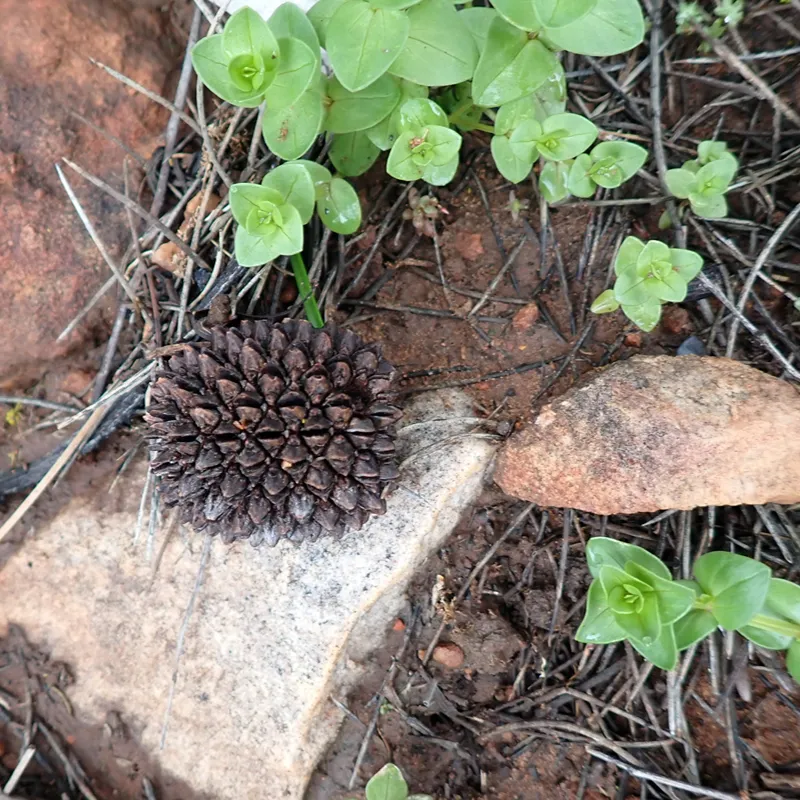
Drooping Sheoak
Allocasuarina verticillata
Grew wild on the basalt plains before the suburbs did. It's tough in clay and dry wind, and its soft drooping foliage sighs in a breeze.
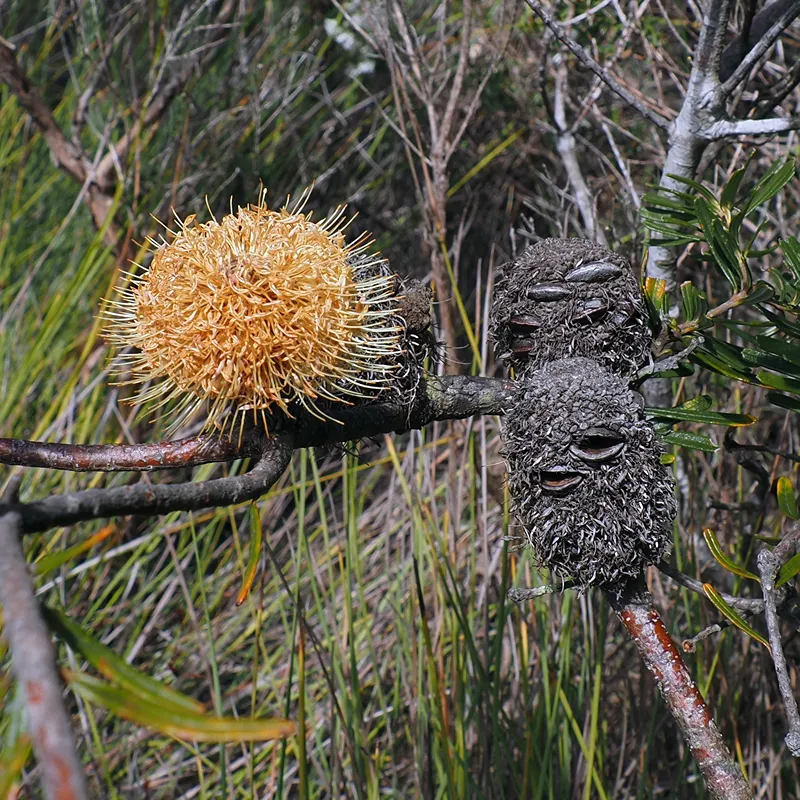
Silver Banksia
Banksia marginata
A Sandbelt local. Its pale yellow brushes feed honeyeaters through autumn and winter.
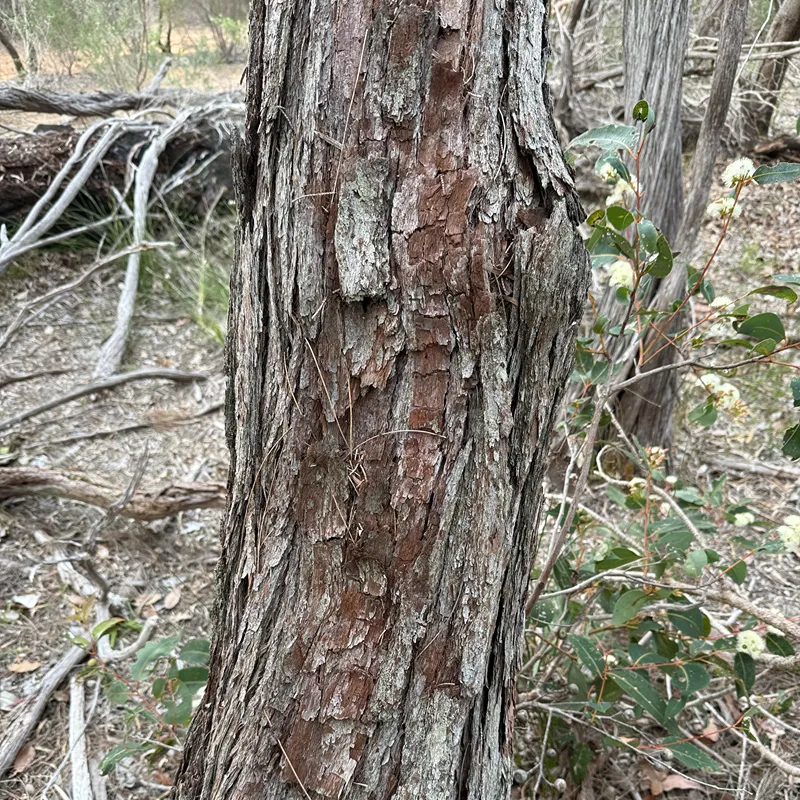
Yellow Gum
Eucalyptus leucoxylon
Handles western clay and dry summers. Look for red-flowered forms.
Flowering shrubs
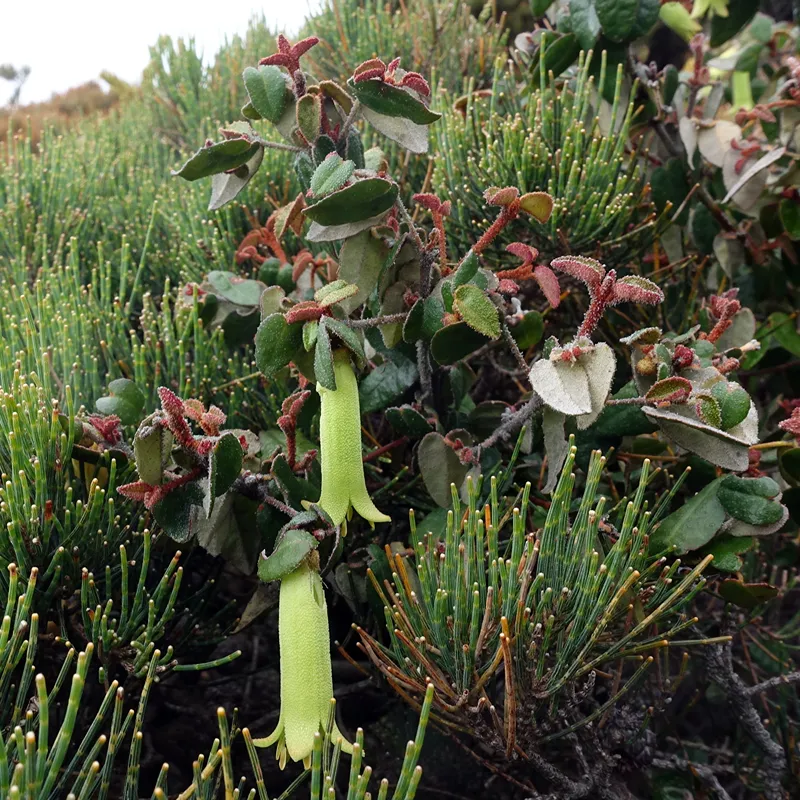
Common Correa
Correa reflexa
Flowers in winter, when honeyeaters need it most. It's happy in dappled shade under bigger trees.
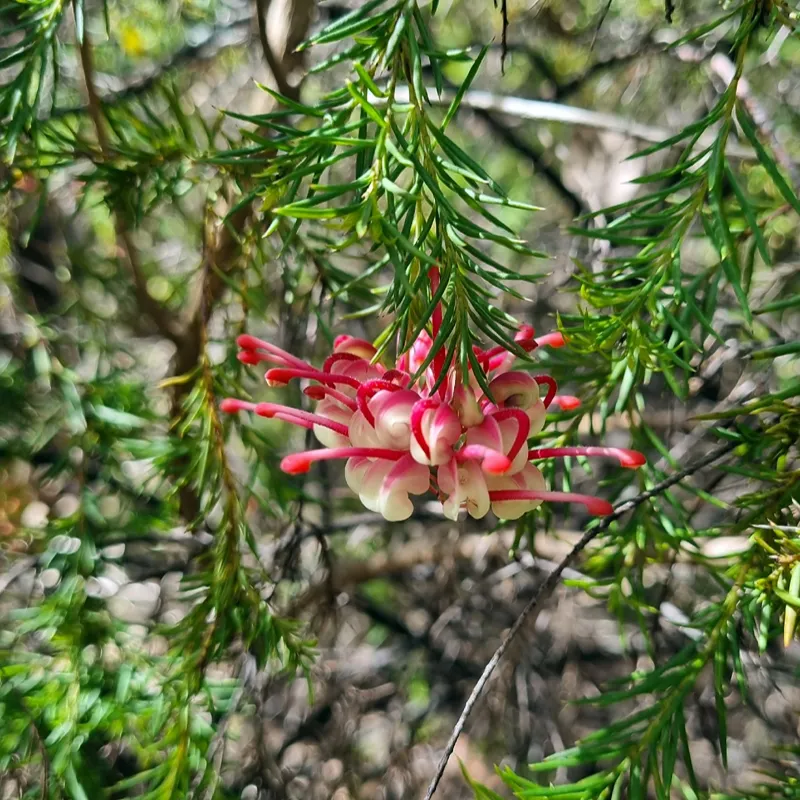
Rosemary Grevillea
Grevillea rosmarinifolia
A Victorian native that doesn't mind frost, with red spider flowers for months.
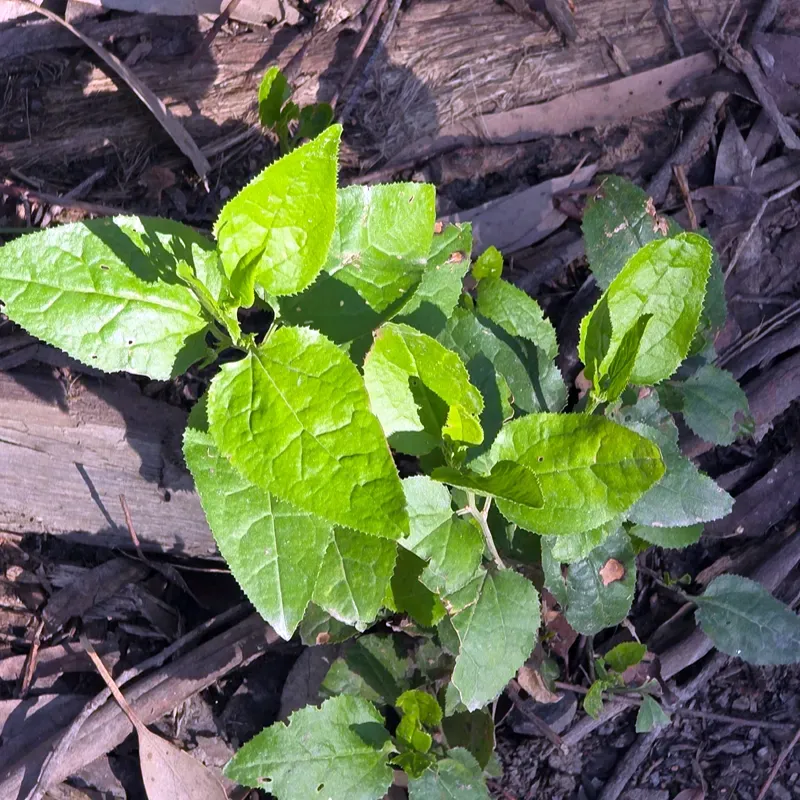
Hop Goodenia
Goodenia ovata
A fast, cheerful yellow-flowered filler that copes with shade and clay.

Prickly Tea Tree
Leptospermum continentale
A local, with white flowers in spring and a prickly habit that small birds love to hide in.
Hedges and screens

Swamp Paperbark
Melaleuca ericifolia
The answer for wet clay. It's a local that's happy with its roots in water.
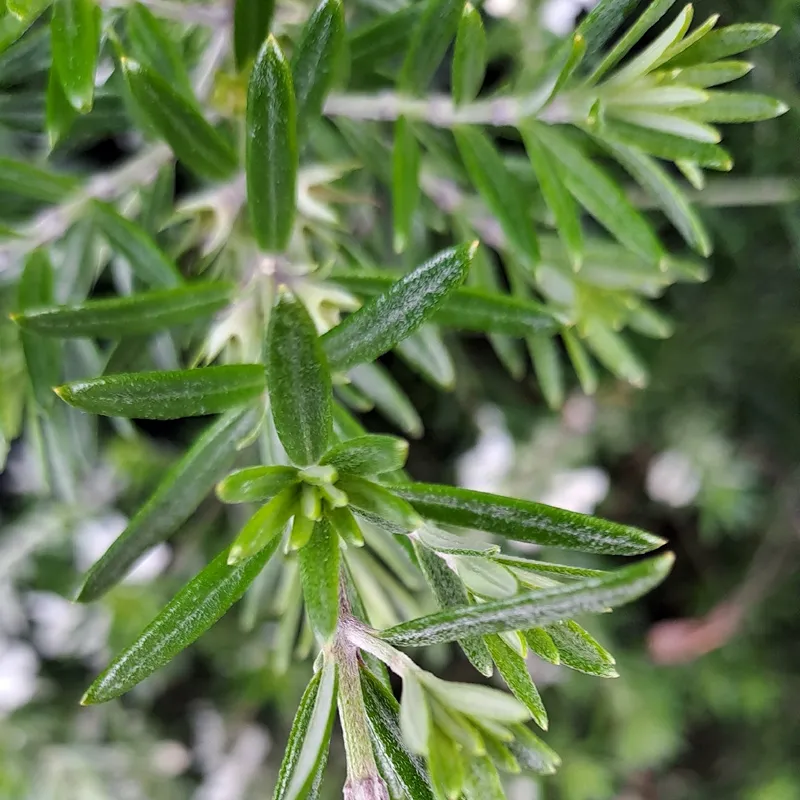
Coastal Rosemary
Westringia fruticosa
The reliable clipped hedge. It handles wind and salt, and Sandbelt sand suits it.

Sticky Wattle
Acacia howittii
Grows into a dense, fast screen with fragrant foliage.
Ground covers

Creeping Boobialla
Myoporum parvifolium
A flat green carpet that smothers weeds on a sunny bank.
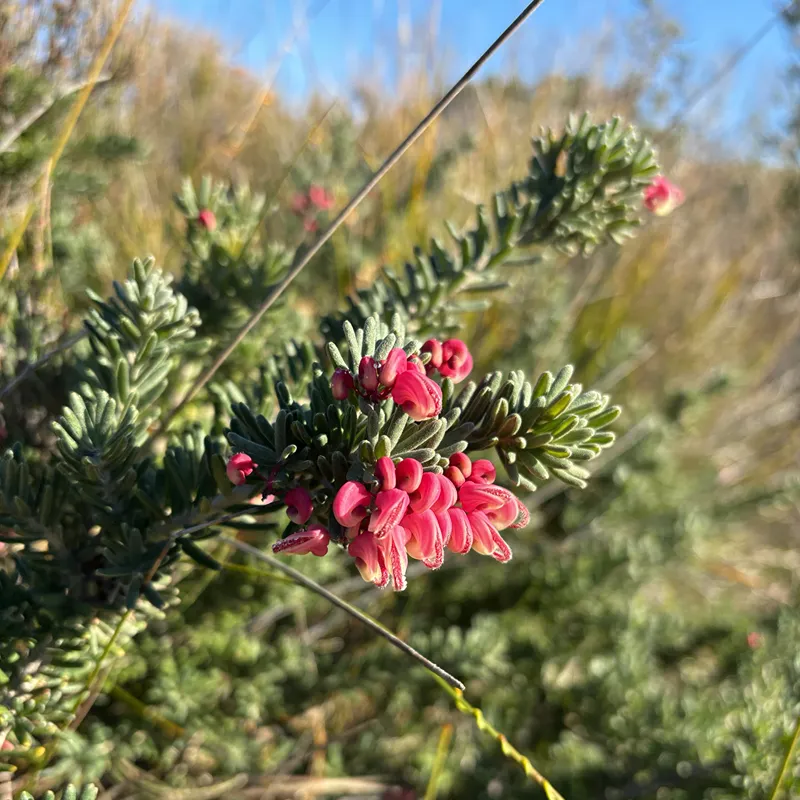
Woolly Grevillea
Grevillea lanigera
Soft grey leaves and red and cream flowers, and it's tough in the west.

Cut-leaved Daisy
Brachyscome multifida
Mauve daisies for most of the year, and it suits pots too.
Icons
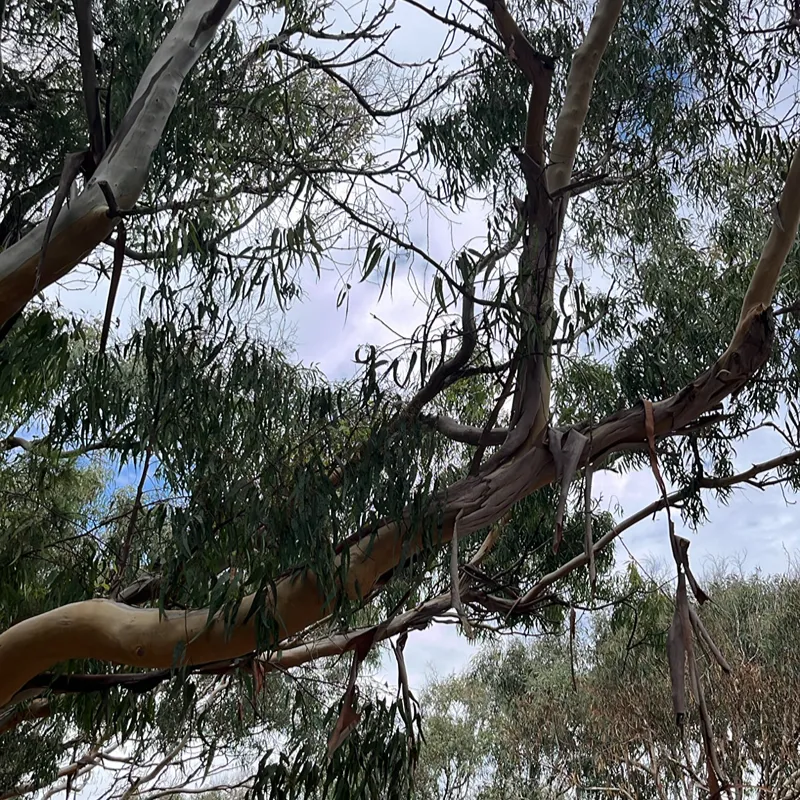
River Red Gum
Eucalyptus camaldulensis
The giant of the Merri and Darebin creeks. It's only for big blocks, but it's worth knowing what grew here first.
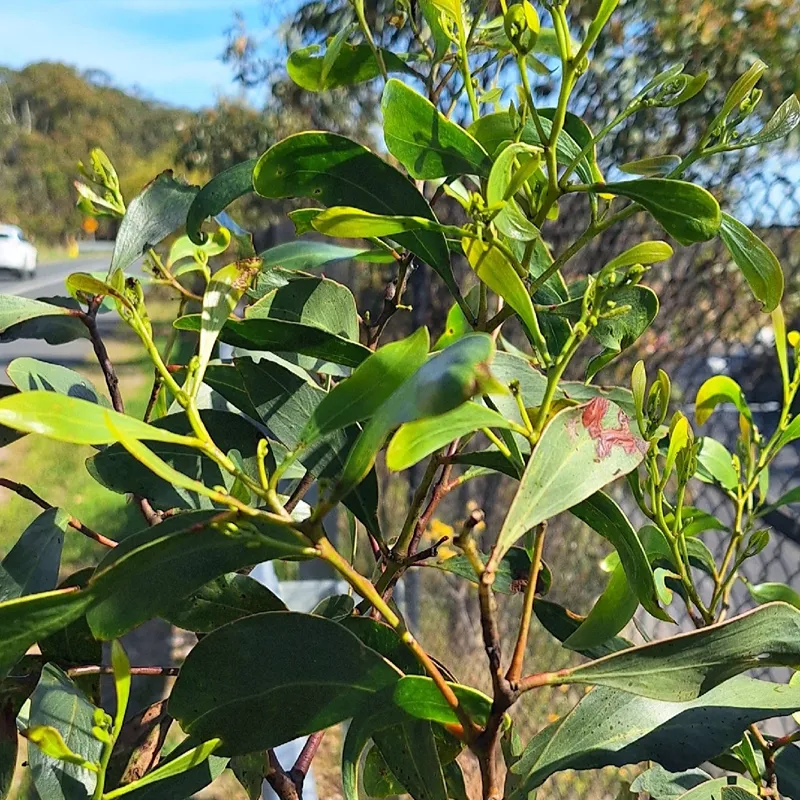
Golden Wattle
Acacia pycnantha
The national floral emblem and a Victorian native, flowering in late winter. Like many wattles it's short-lived, so plant it for the decade of colour, not for keeps.
Melbourne problems and what to plant
Heavy clay in the west and north. Don't dig a deep hole and fill it with potting mix. In clay, that creates a bathtub that drowns roots in winter. Plant slightly proud of the soil, on a low mound, and mulch. When you do dig, rough up the sides of the hole with a fork: smooth clay walls act like the inside of a pot, and roots circle around instead of working their way out. Swamp Paperbark, River Bottlebrush, Hop Goodenia and Drooping Sheoak all cope.
Sand in the south-east. Water runs straight through, and so do nutrients. Mulch thickly and water deeply but rarely, so roots chase moisture downwards. Silver Banksia, White Correa and Prickly Tea-tree are naturals here. Many Western Australian plants that sulk in Melbourne clay grow far better on Sandbelt sand.
Frost pockets and hot north winds. Choose plants that handle both extremes: Rosemary Grevillea, Common Correa and Yellow Gum.
Where to buy native plants in Melbourne
Melbourne is well served for natives. Indigenous nurseries grow plants from seed collected locally, which suits your soil and supports local wildlife. Specialist native nurseries carry wider ranges from across Australia. Garden centres stock the reliable favourites. Several Melbourne nurseries also deliver, so check the list below for who covers your area.
Nurseries in Melbourne
Diaco's Garden Nursery
VIC
Northroy Nursery
Fitzroy North, VIC
The Garden of Eden Nursery
Albert Park, VIC
Kensington Garden Centre
Kensington, VIC
Show 9 moreShow fewer
Glasshaus
Richmond, VIC
Northcote Nursery
Northcote, VIC
Lygon Street Nursery
Brunswick East, VIC
Poyntons Nursery
VIC
Garden World
Keysborough, VIC
Diamond Valley Garden Centre
Plenty, VIC
Greenmount Nurseries
Mount Waverley, VIC
All Green Nursery & Garden
VIC
Hello Hello Plants
Campbellfield, VIC
Delivers to Melbourne
Native gardens to visit in Melbourne
The Australian Garden at Cranbourne (Royal Botanic Gardens Victoria) is the most ambitious native garden in the country, and full of ideas you can steal for a suburban block.
Maranoa Gardens in Balwyn is one of Australia's oldest native gardens, open to the public since 1926. It's planted in habitat-style displays.
Karwarra in Kalorama is a two-hectare garden in the Dandenongs with more than 1,400 native species and its own nursery. It closes on Total Fire Ban days, so check before you go.
Melbourne native gardening FAQ
When's the best time to plant natives in Melbourne?
Autumn, from March to May. The soil is still warm and winter rain is on the way. Spring works too, especially in the wetter east, but in the dry west autumn planting gives roots a real head start.
Do natives need watering in Melbourne?
For the first summer, yes: a deep soak once a week beats a daily sprinkle. Once established, most natives in the east need little extra water. Gardens in the west may need help in a hot, dry summer.
Will Western Australian natives grow in Melbourne?
On Sandbelt sand, often very well. In heavy clay, most struggle, especially through wet winters. Grafted plants are a good workaround where they're available.
Can I grow natives in pots in Melbourne?
Yes. Correas, ground-cover grevilleas and native daisies all do well. Use a native potting mix: many natives, especially grevilleas and banksias, are sensitive to the phosphorus in standard mixes.
Where can I see native gardens in Melbourne?
Cranbourne, Maranoa and Karwarra (see above) are the best places to see what natives look like as a garden, not just a plant label.
Browse all natives or start with a guide: Drought-tolerant native plants, Low-maintenance native plants, Small native trees, Plants for shade, Plants that attract birds, Summer-flowering natives for cool-temperate gardens.
Get natives matched to Melbourne
Take the quiz with your exact postcode and we'll narrow this down to what actually suits your spot, not just the city average.
Take the quiz