Native Plants for Newcastle Gardens
Natives for Newcastle's beach sand, clay hills and estuary flats, and for the Hunter's own plants.
What growing in Newcastle actually means
Newcastle soil comes in three flavours: beach, clay and swamp. The coastal suburbs sit on sand, the hills on heavy clay, and the low ground near the Hunter River's estuary on wet, heavy flats. Then there's the weather. Newcastle's forecast has one more season than most, the southerly buster, which can drop the temperature ten degrees in an hour and flatten anything that isn't staked.
The coast and the sand country (Stockton, the Tomago sandbeds, towards Port Stephens): free-draining sand that dries out fast and holds few nutrients.
The hills (around Charlestown, Kotara, Lake Macquarie's ridges): heavy clay over hard rock. It's fertile, but waterlogged after rain and rock-hard in a dry spell.
The estuary flats (around Hexham and Mayfield): low, damp and heavy. Plants here need to cope with wet feet.
The older inner suburbs: the steel city left its mark. Dig in an old block and you may find a century of fill: brick, ash, clinker and the occasional bottle. Plant into pockets of good soil, or build raised beds.
Newcastle is often treated as Sydney's northern cousin, but the Hunter has plants of its own, including some that grow nowhere else in the world. Most nurseries outside the region never stock them. Shop local, and ask the growers which Hunter species suit your soil.
Top native plants for Newcastle
These are reliable across most of Newcastle. For picks matched to your exact postcode, take the 2-minute quiz.
Trees

Rough-barked Apple
Angophora floribunda
Shaggy bark, twisted limbs and creamy summer blossom humming with bees. A tree of the Hunter's valleys, with real character.
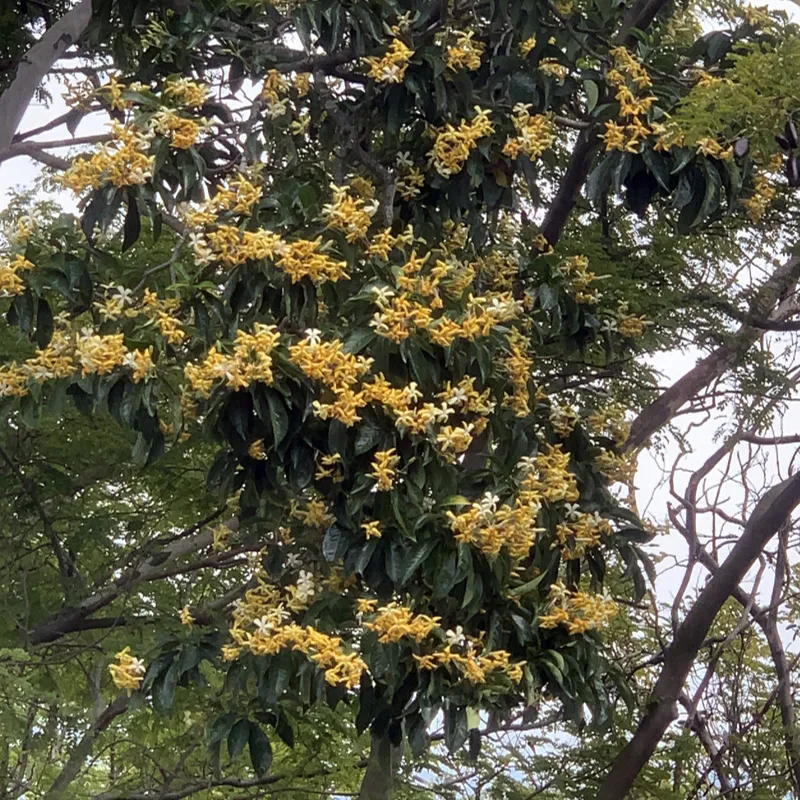
Native Frangipani
Hymenosporum flavum
Flowers that open cream and fade to butter-yellow, with a scent that drifts across the whole yard on a spring evening.
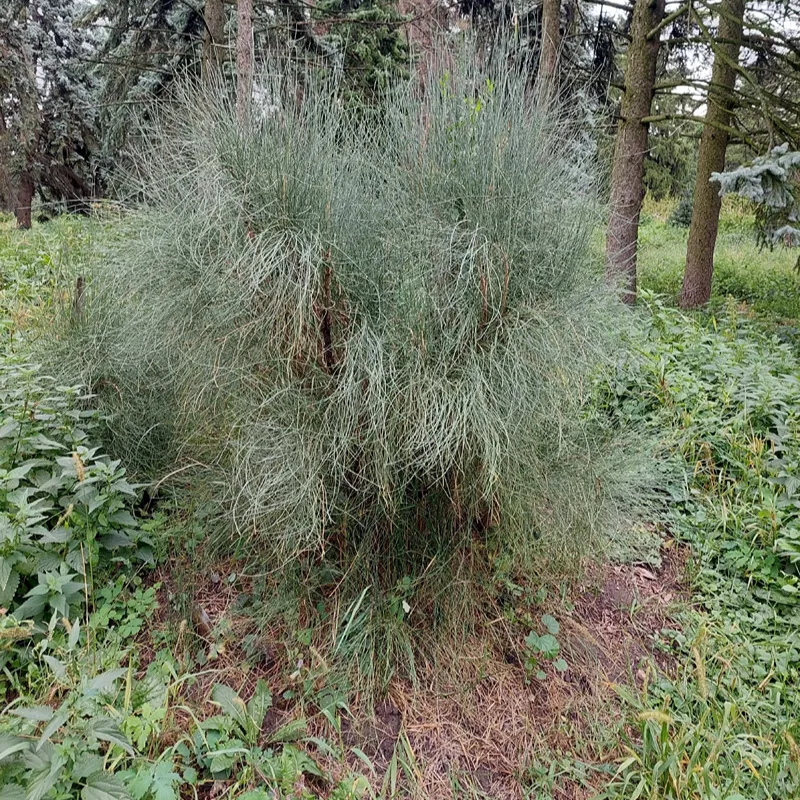
Swamp Oak
Casuarina glauca
The tree for estuary flats and salty ground. Its fine needles sigh in the wind and build a soft carpet underneath.
Flowering shrubs
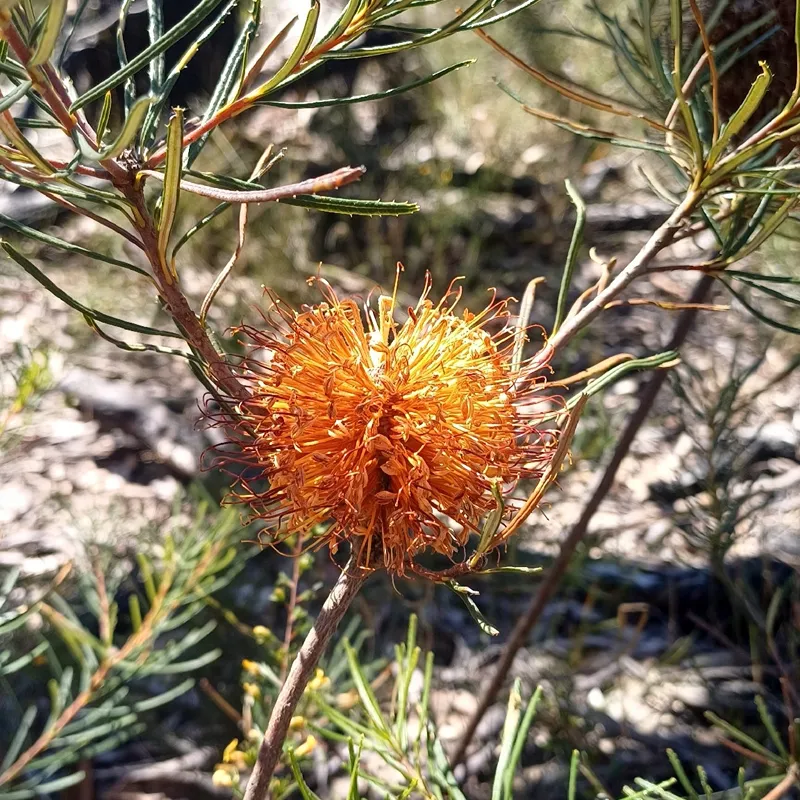
Hairpin Banksia
Banksia spinulosa
Golden candles bristling with wiry styles like hairpins, right through autumn and winter. It's at home in Stockton-style sand.
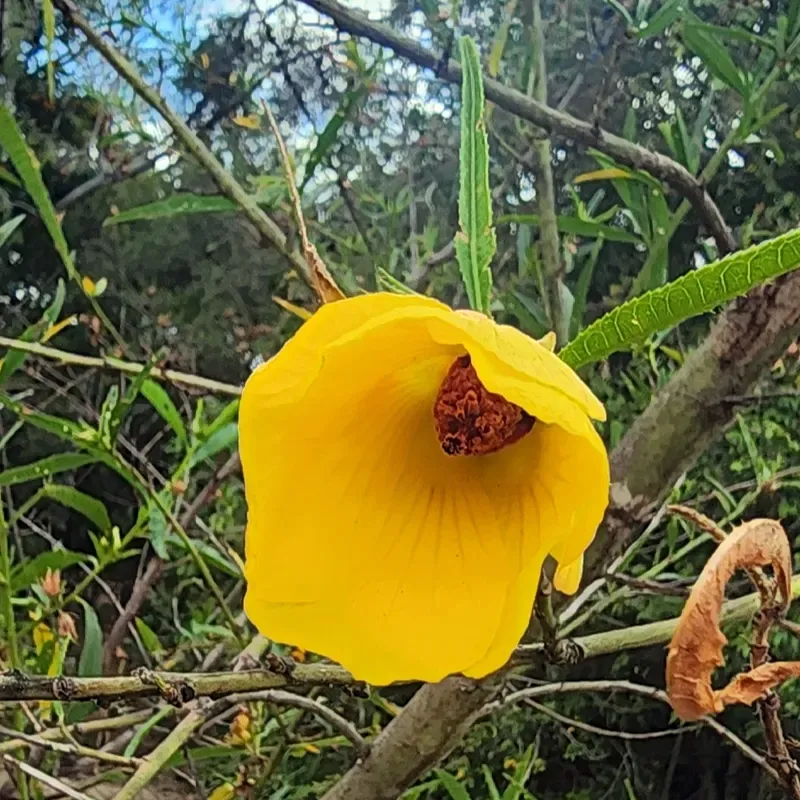
Native Rosella
Hibiscus heterophyllus
Big white or pink hibiscus flowers on a fast shrub. Australian Plants Society growers rate it for the Hunter.
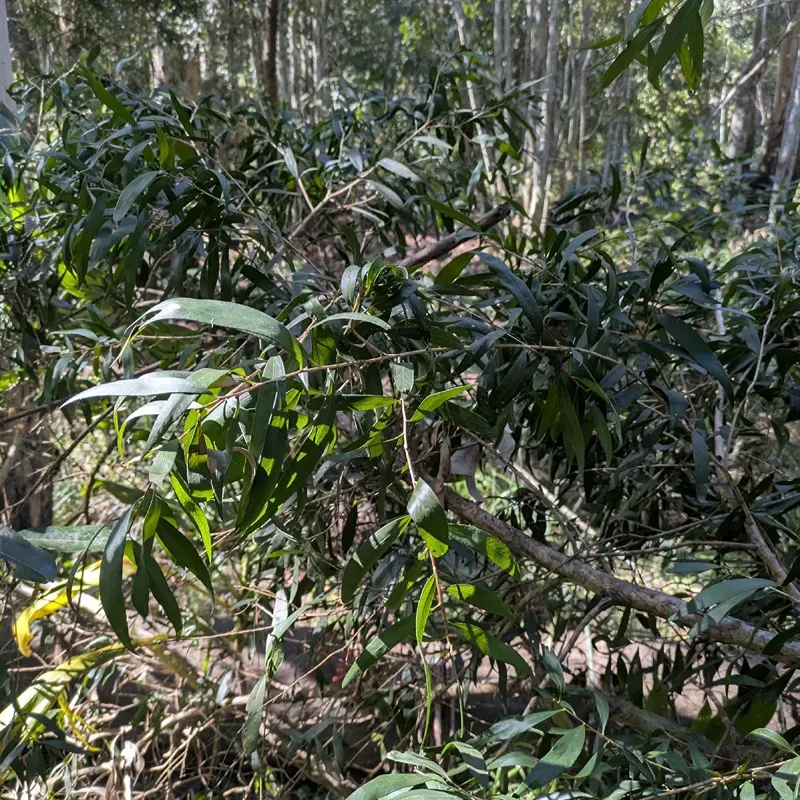
Willow Bottlebrush
Callistemon salignus
Papery white bark, flushes of pink new growth, then creamy brushes in spring. It's happy with wet feet.

White Sallow Wattle
Acacia floribunda
Fast cover and fluffy pale-lemon flowers in spring. A short-lived nurse plant that shelters slower plants while they catch up.
Hedges and screens
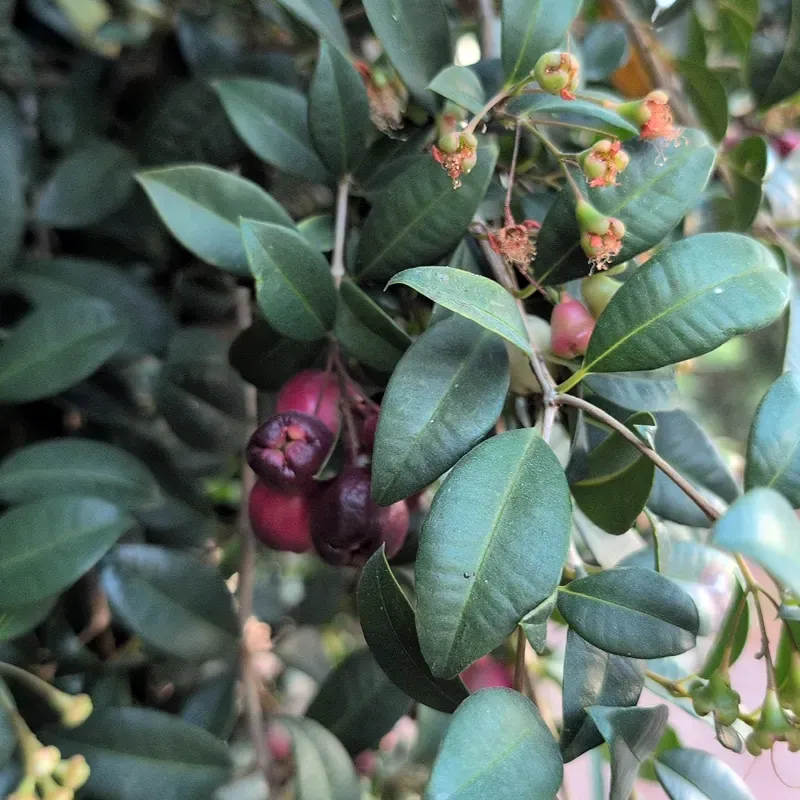
Magenta Lilly Pilly
Syzygium paniculatum
Glossy leaves and magenta fruit, and the Hunter coast is part of its natural range. It clips into a dense hedge.
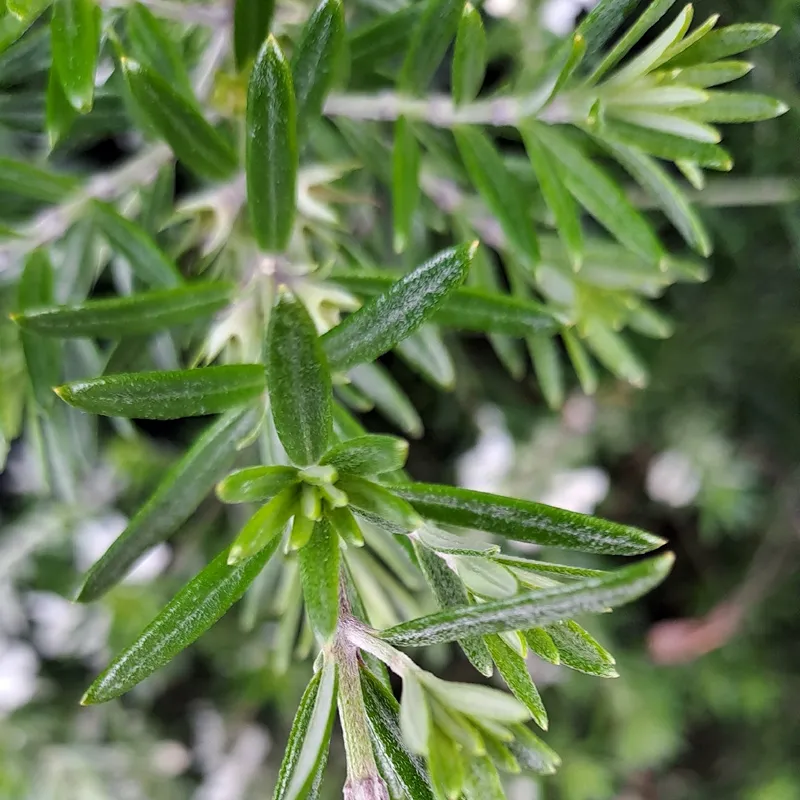
Coastal Rosemary
Westringia fruticosa
A tidy hedge that takes salty north-easterlies and southerly busters without complaint.
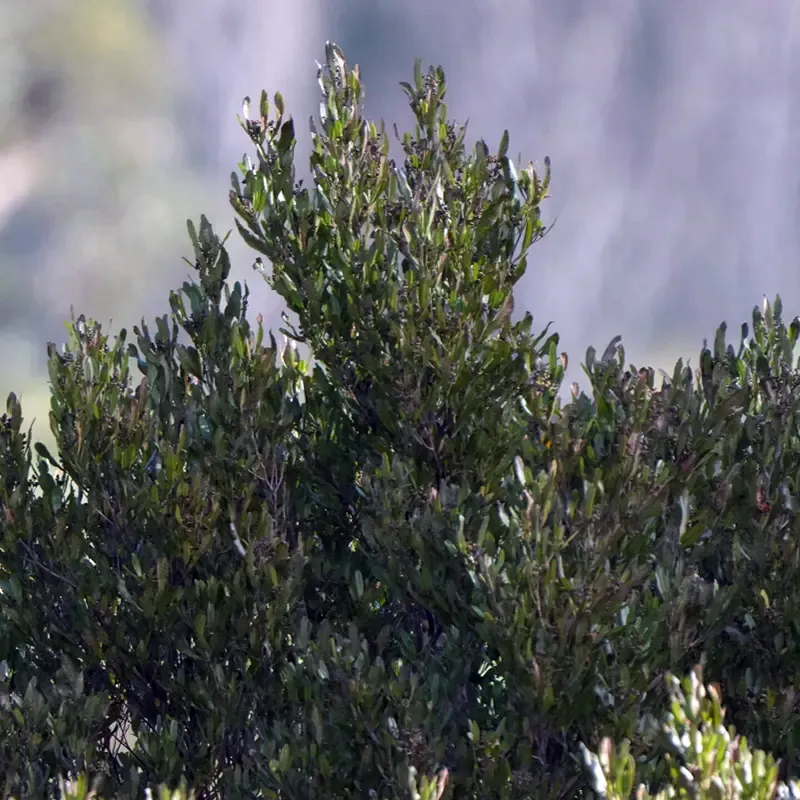
Sticky Hop Bush
Dodonaea viscosa
A quick, tough screen for sandy or dry spots, with seed pods that turn rust-red in summer.
Ground covers
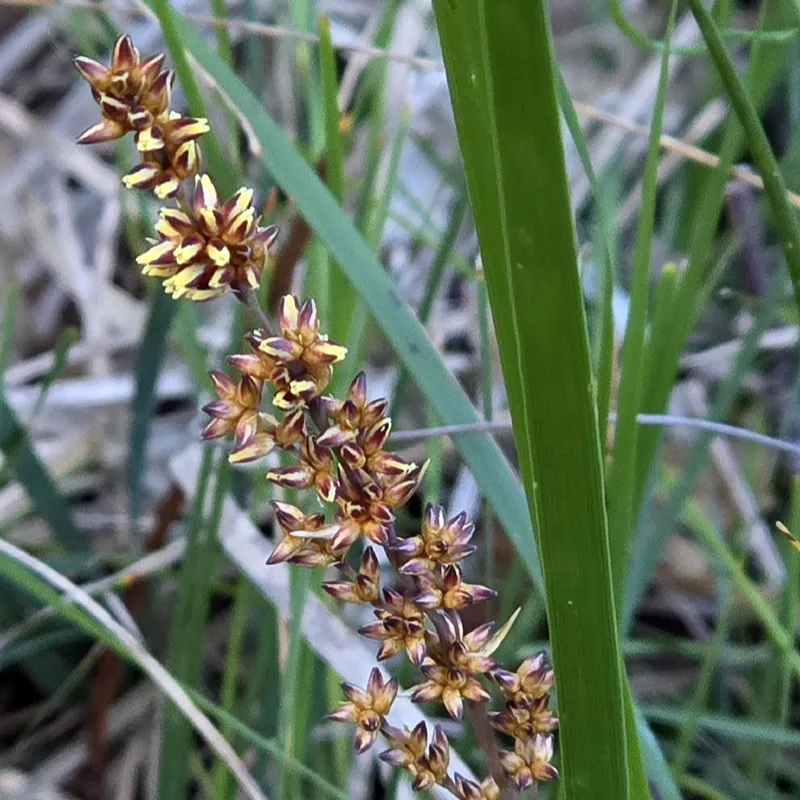
Spiny-headed Mat-rush
Lomandra longifolia
Close to indestructible on banks and verges, in sand or clay. Mow it, flood it, ignore it; it carries on.
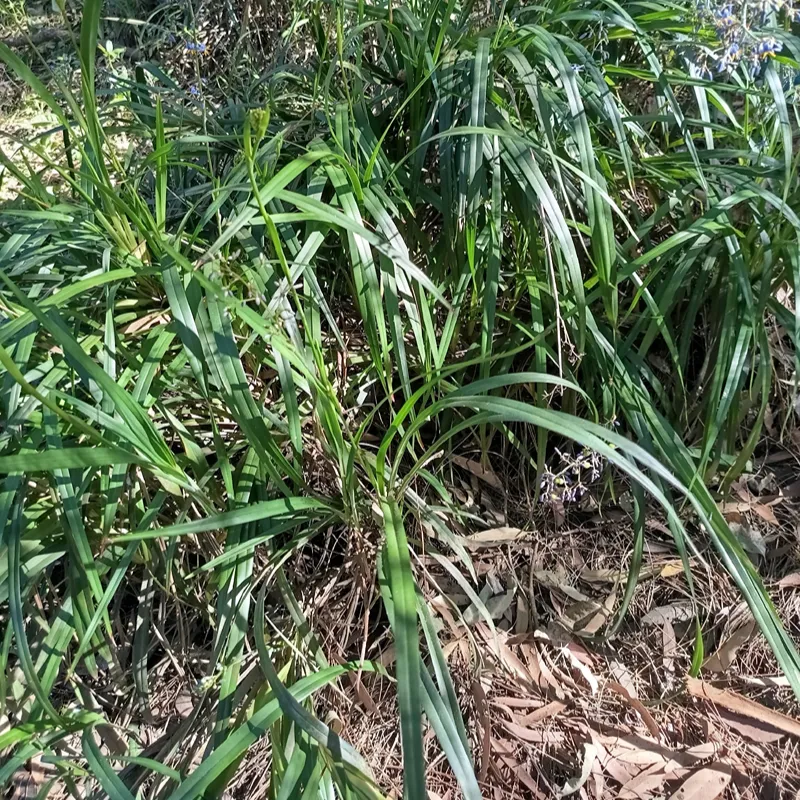
Blue Flax-lily
Dianella caerulea
Blue flowers, then blue berries, and happy in dry shade under trees where lawn gives up.
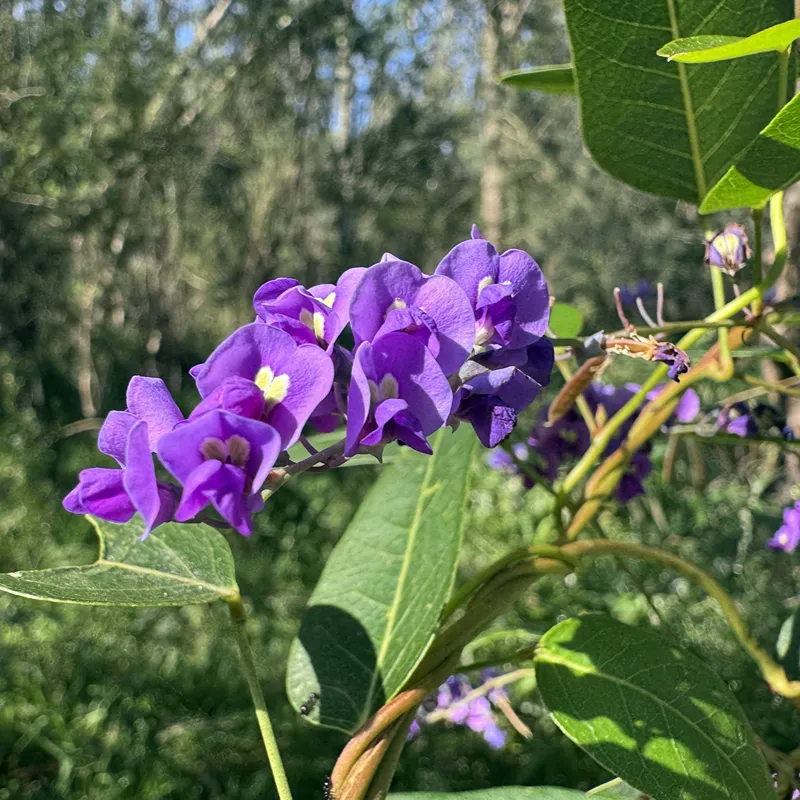
Purple Coral Pea
Hardenbergia violacea
A purple waterfall of pea flowers in late winter, scrambling over fences or across the ground.
Icons

Spotted Gum
Corymbia maculata
Smooth bark dappled grey, cream and pink, like a camouflage pattern. One of the great trees of the Lower Hunter, for big blocks only.
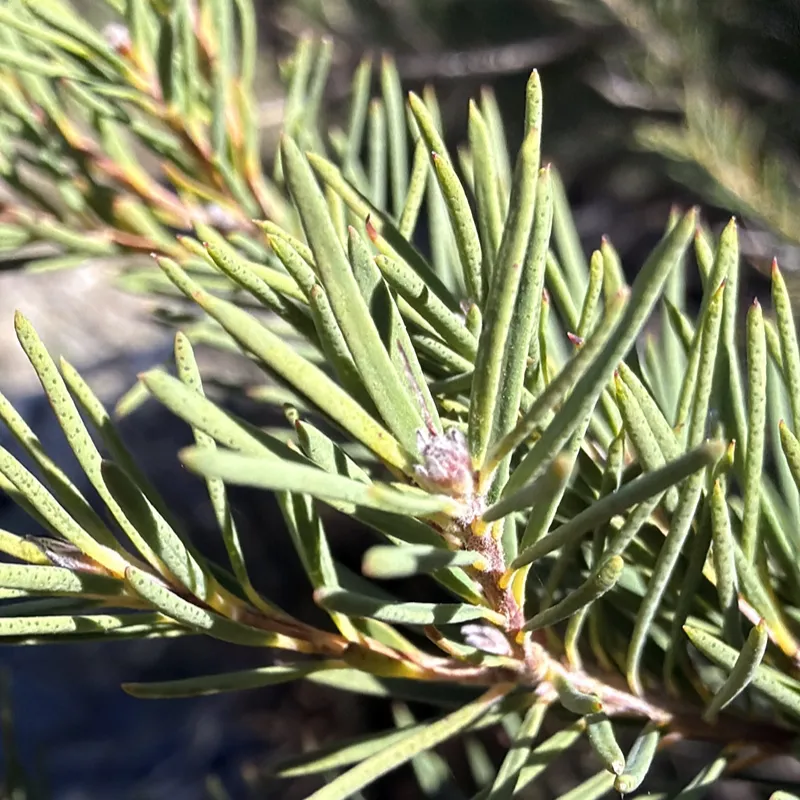
Flax-leaved Paperbark
Melaleuca linariifolia
A Hunter native that turns white with blossom in late spring, as if it had snowed overnight.
Newcastle problems and what to plant
Sand. Mulch thickly, water deeply but rarely, and choose sand-country species: Hairpin Banksia, Sticky Hop Bush and Coast Banksia. Plant tubestock a little deeper in sand so roots reach moisture sooner.
Clay hills. Plant on a slight mound, and use a fork to rough up the sides of the planting hole so the clay doesn't trap the roots in a pot-shaped prison. Rough-barked Apple, Willow Bottlebrush and Spiny-headed Mat-rush cope.
Wet, heavy estuary ground. Choose plants that tolerate wet feet, such as Swamp Oak, Willow Bottlebrush and Flax-leaved Paperbark, and avoid digging deep in low-lying ground.
Southerly busters and salt wind. Plant salt-tolerant species on the exposed side to shelter the rest, and stake young trees loosely so they can flex without snapping.
Noisy miners. These loud, grey honeyeaters gang up and chase small birds out of open gardens with lawn and scattered trees. Dense, prickly shrubs give wrens, thornbills and silvereyes somewhere to hide. Hairpin Banksia and a thick hedge of Coastal Rosemary help.
Where to buy native plants in Newcastle
Newcastle has a dedicated native nursery, community and indigenous nurseries growing Hunter plants, and garden centres with good native ranges. Check the list below for nurseries near you and who delivers.
Nurseries in Newcastle
Old Farm Nursery
Broadmeadow, NSW
Delivers to Newcastle
Native gardens to visit in Newcastle
The Hunter Region Botanic Gardens at Heatherbrae cover more than 125 hectares, most of it natural bushland. The volunteer-run gardens focus on Australian plants, with a whole theme garden for plants of the Hunter Region, 8 km of easy tracks, and a plant stall where you can buy what you've just admired.
Hunter Wetlands Centre in Shortland shows how the estuary's wet country works, and has a native nursery on site.
Blackbutt Reserve in Kotara is bushland in the middle of suburbia, with walking tracks through tall forest. It's a good look at what Newcastle's hills grew before the houses arrived.
Newcastle native gardening FAQ
When's the best time to plant natives in Newcastle?
Autumn, while the soil is warm. Spring is fine too, but water new plants well if summer arrives early.
What natives grow in Newcastle's clay?
Rough-barked Apple, Willow Bottlebrush, Spiny-headed Mat-rush and paperbarks. Plant on a mound, and rough up the planting hole.
What natives cope with sand at Stockton or Port Stephens?
Banksias, Coastal Rosemary, Sticky Hop Bush and Coast Banksia, all plants that grow wild in coastal sand.
Are there plants that only grow in the Hunter?
Yes. Some species are found nowhere else. Visit the Hunter Region Botanic Gardens to see them, and ask local nurseries what they stock.
Where can I see native gardens in Newcastle?
The Hunter Region Botanic Gardens at Heatherbrae, the Hunter Wetlands Centre, and Blackbutt Reserve.
Browse all natives or start with a guide: Drought-tolerant native plants, Low-maintenance native plants, Small native trees, Plants for shade, Plants that attract birds, Summer-flowering natives for cool-temperate gardens.
Get natives matched to Newcastle
Take the quiz with your exact postcode and we'll narrow this down to what actually suits your spot, not just the city average.
Take the quiz