Native Plants for Wollongong Gardens
Natives for life between the escarpment and the sea: wet slopes, heavy soils and salty air.
What growing in Wollongong actually means
The escarpment gives Wollongong its views, its weather and, for gardens right underneath it, an early sunset. Gardeners in the Gong don't ask whether it'll rain; they ask when the escarpment will decide. Moist sea air rises up the cliffs and drops its load on the suburbs below, giving them some of the most reliable rain in New South Wales. They also lose the afternoon sun early, especially in winter, when it dips behind the ridge.
The escarpment foothills (Thirroul, Austinmer, Mount Ousley, Keiraville): wetter, shadier and greener, with heavy soils on steep blocks. It's rainforest country, and on the bush edge you may hear a lyrebird doing a flawless impression of your car alarm.
The coastal plain (central Wollongong, Fairy Meadow, Corrimal): heavy, fertile soils that stay wet long after rain.
Beachside suburbs and the edges of Lake Illawarra: sandier soil, salt on the wind, and full sun.
The catch nobody prints on the plant label: "full sun" means something different at the foot of a 400-metre cliff. A plant marked for sun may only get morning light here, in soil that rarely dries out. Shade-tolerant rainforest plants that struggle in Western Sydney grow beautifully in the Illawarra, so lean into them instead of fighting it.
Top native plants for Wollongong
These are reliable across most of Wollongong. For picks matched to your exact postcode, take the 2-minute quiz.
Trees
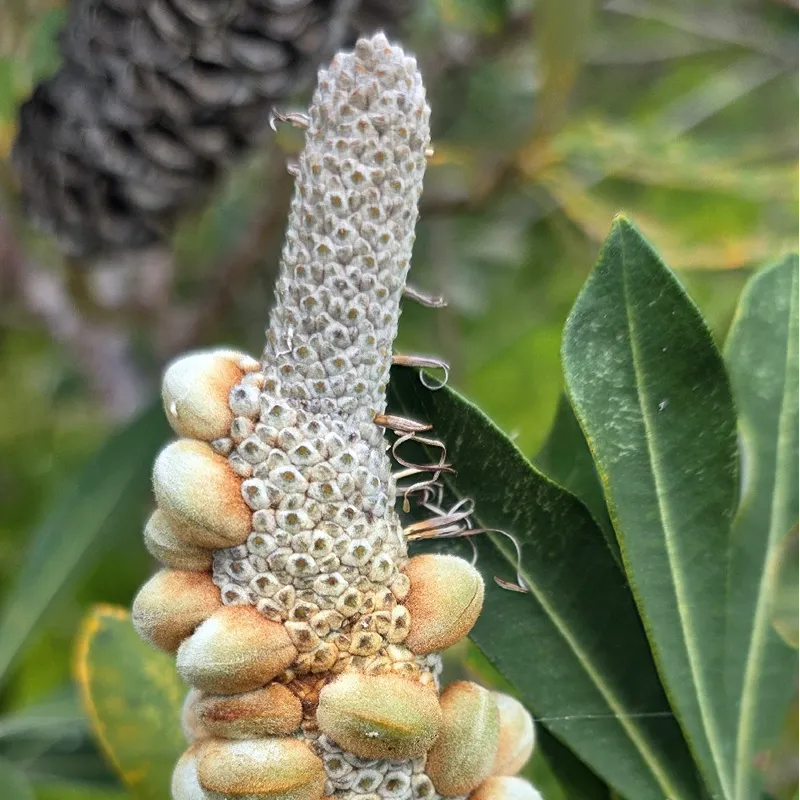
Coast Banksia
Banksia integrifolia
A seafront survivor with pale yellow candles, built to take the salt that finishes off softer trees.
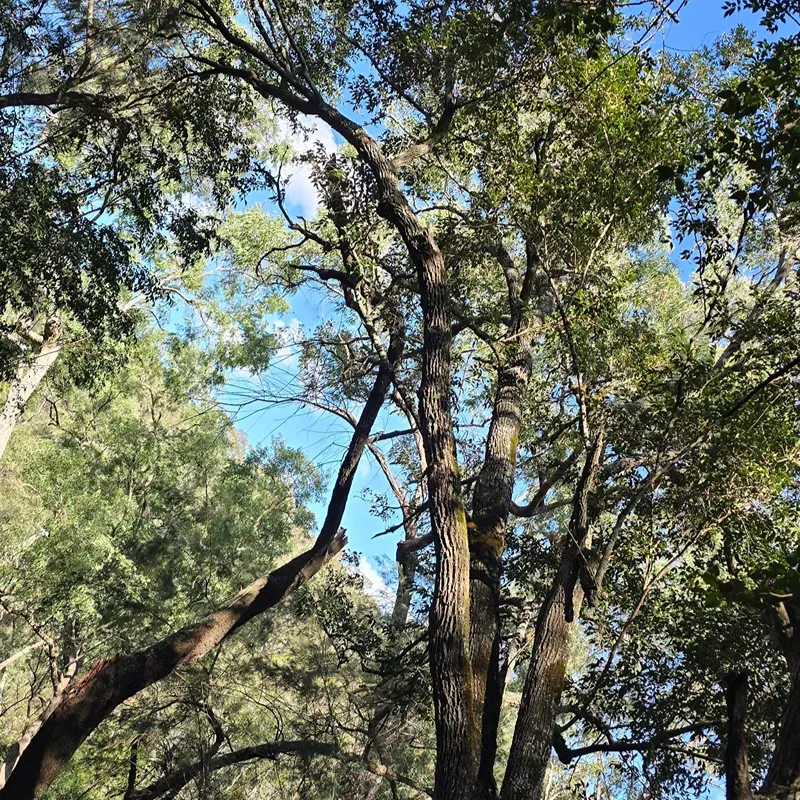
Cinnamon Myrtle
Backhousia myrtifolia
A small rainforest tree with spicy-scented leaves and fluffy white flowers. Crush a leaf and you'll see where the name comes from.
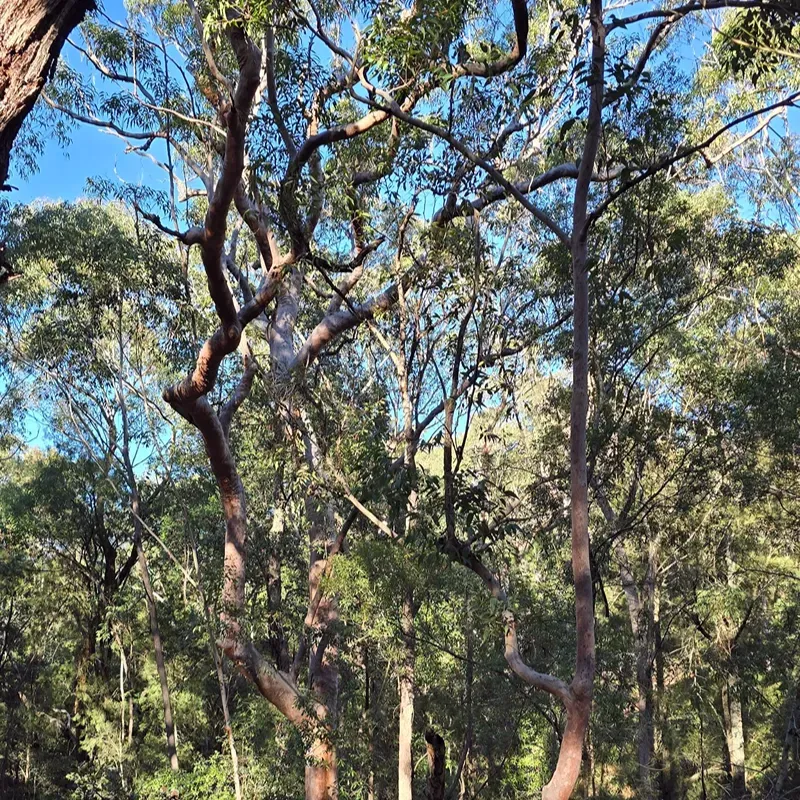
Smooth-barked Apple
Angophora costata
Salmon-pink bark that glows after rain. It grows wild on the sandstone along the top of the escarpment.
Flowering shrubs
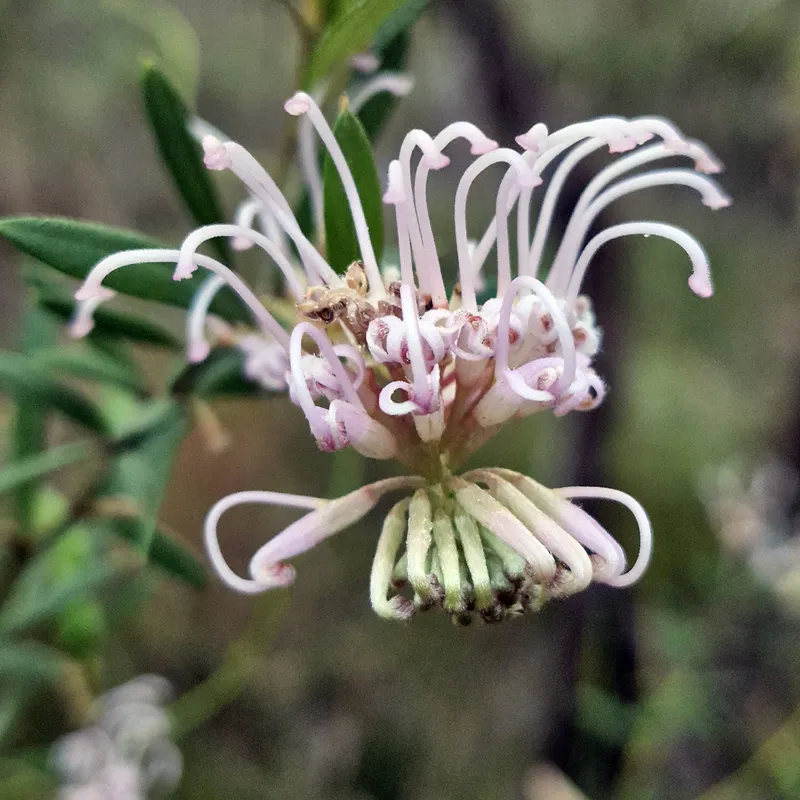
Silky Grevillea
Grevillea sericea
Pink spider flowers on and off all year, and happy on a well-drained slope where water can't pool.
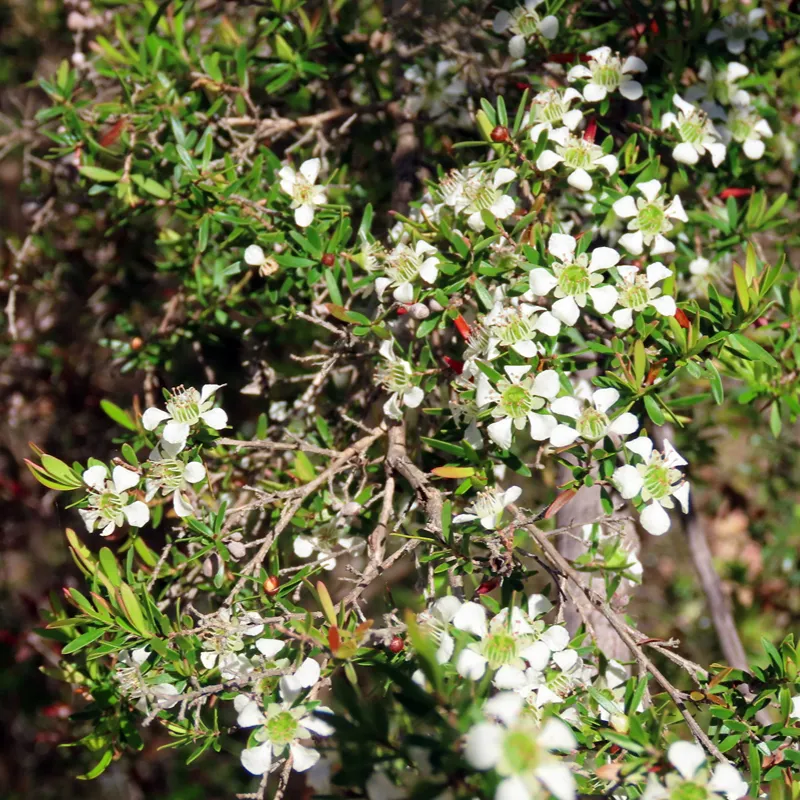
Yellow Tea Tree
Leptospermum polygalifolium
Creamy spring flowers covering a tough shrub that handles damp soil without fuss.
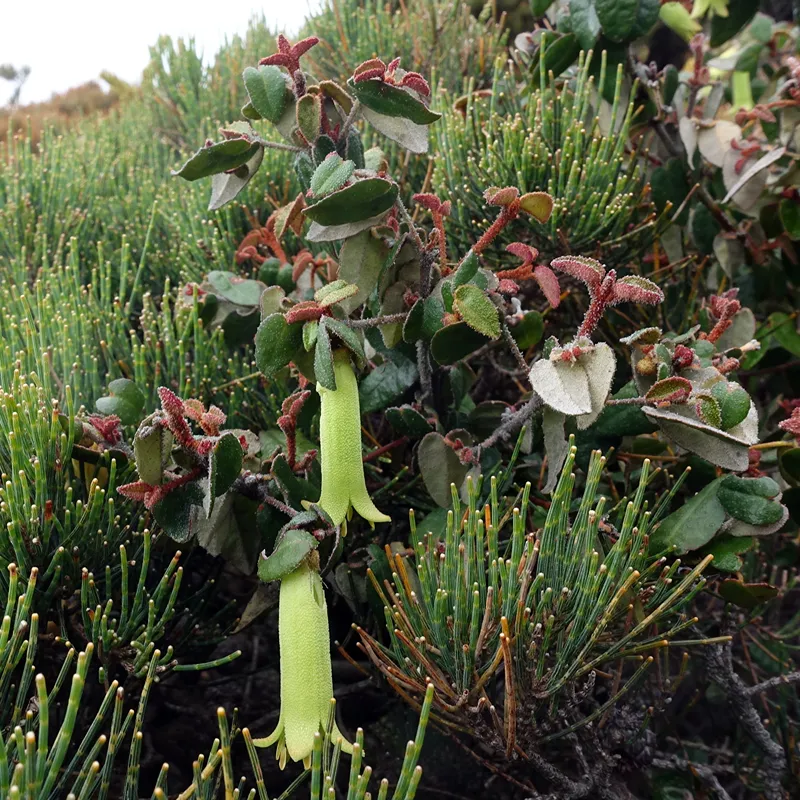
Common Correa
Correa reflexa
Winter bells for honeyeaters, and one of the best natives for the shady side of the house, which in Wollongong may be most of it.
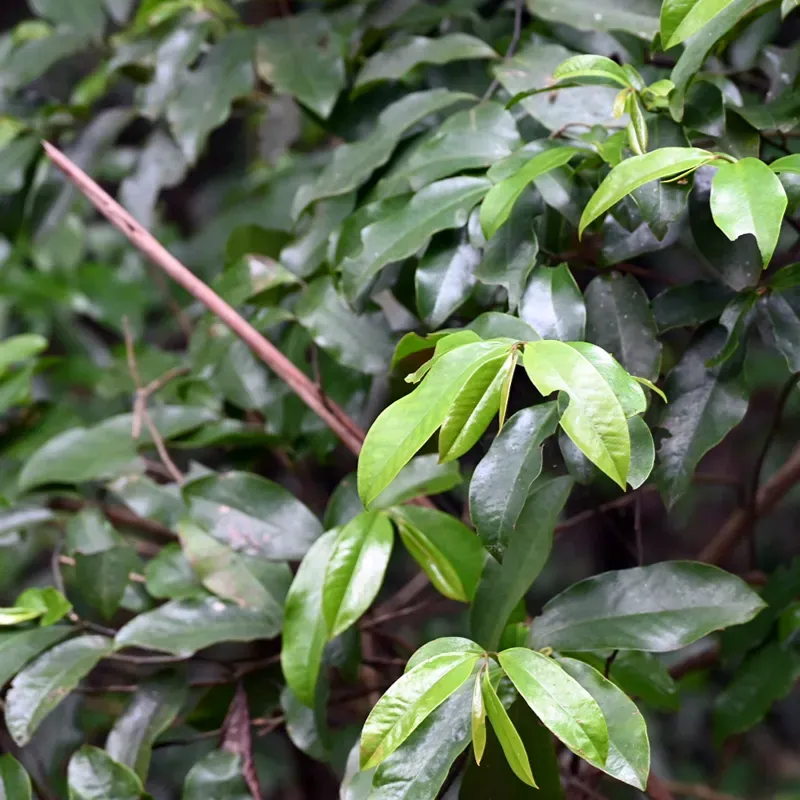
Native Guava
Eupomatia laurina
A rainforest shrub with glossy leaves and odd little edible fruit, made for escarpment shade.
Hedges and screens
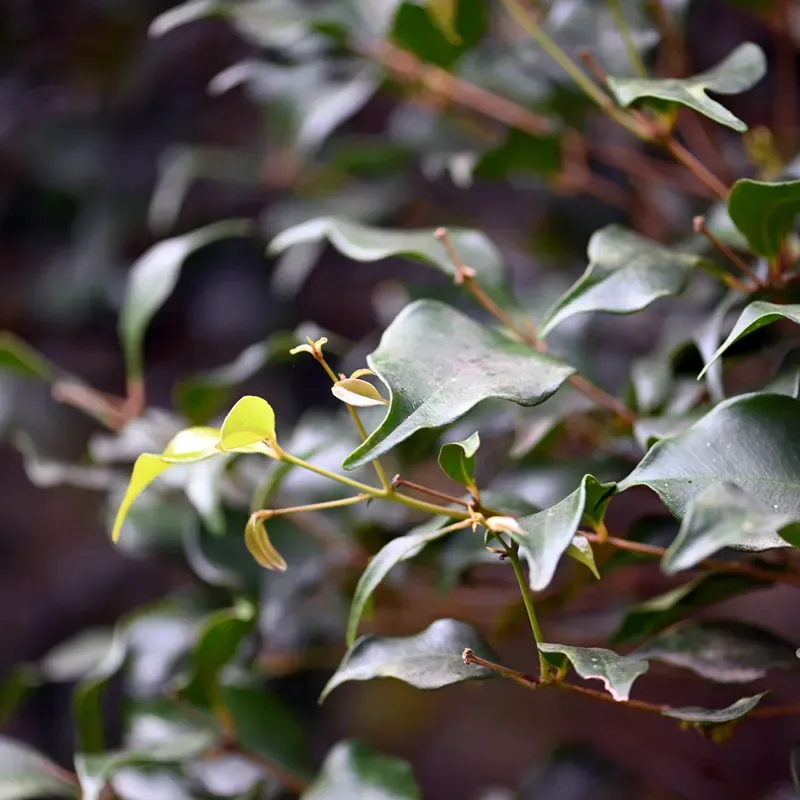
Common Lilly Pilly
Syzygium smithii
Dense, glossy and fast in Wollongong's rainfall. It clips into a solid screen and feeds the birds as a bonus.
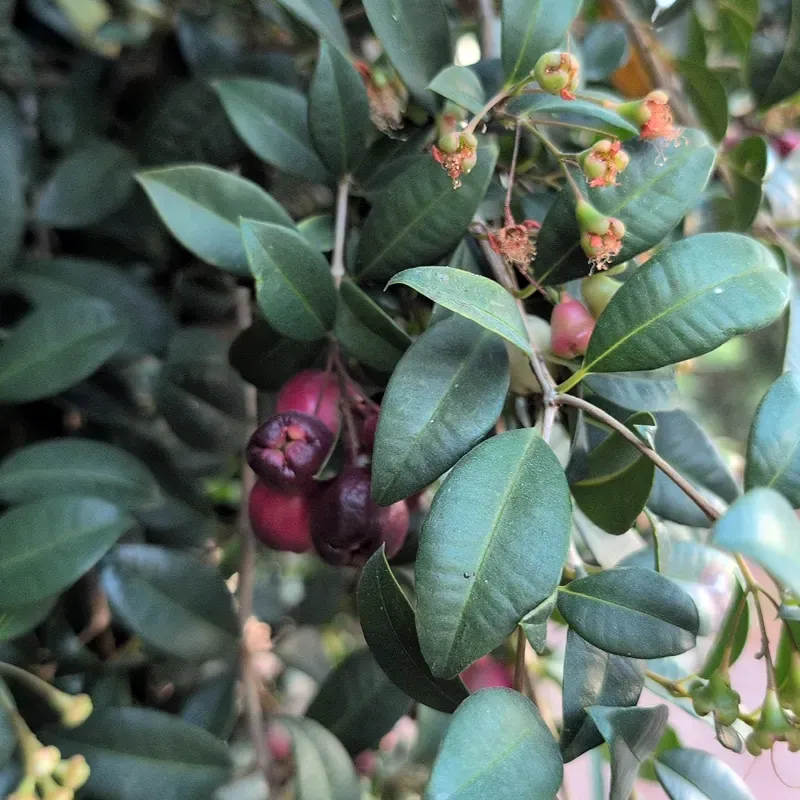
Magenta Lilly Pilly
Syzygium paniculatum
An Illawarra local with magenta fruit. It's threatened in the wild, so every one in a backyard helps.
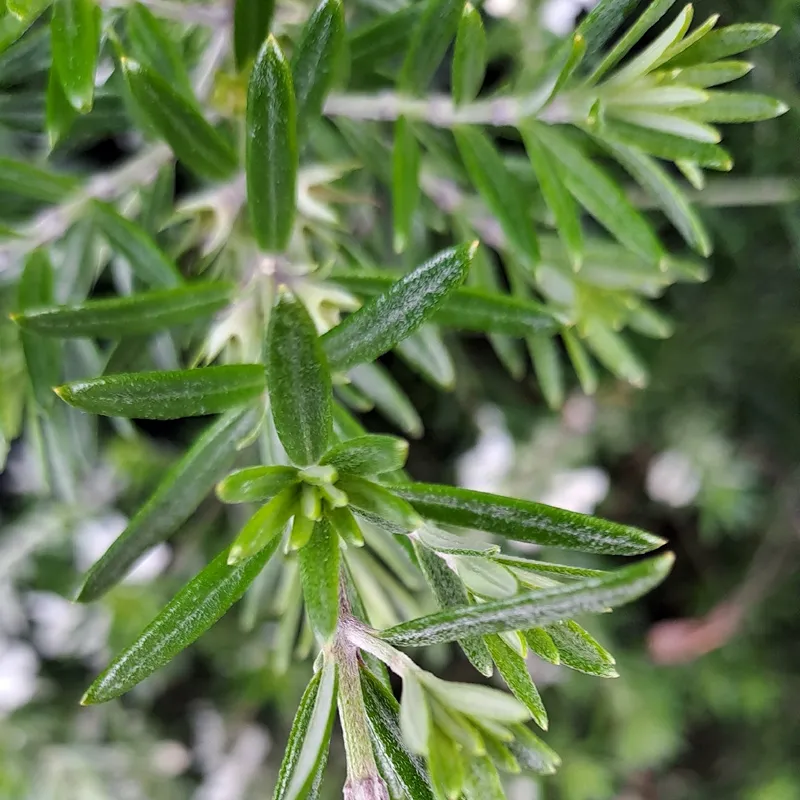
Coastal Rosemary
Westringia fruticosa
The hedge for beachside suburbs, where salt finishes off anything softer.
Ground covers
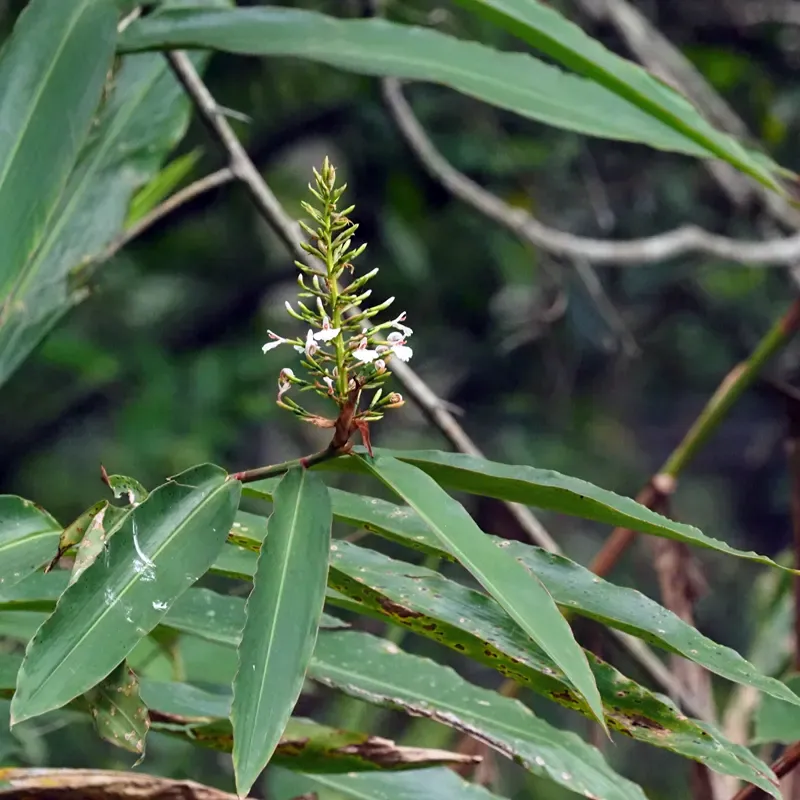
Native Ginger
Alpinia caerulea
Broad, tropical-looking leaves and bright blue berries for the damp, shady spots under trees.
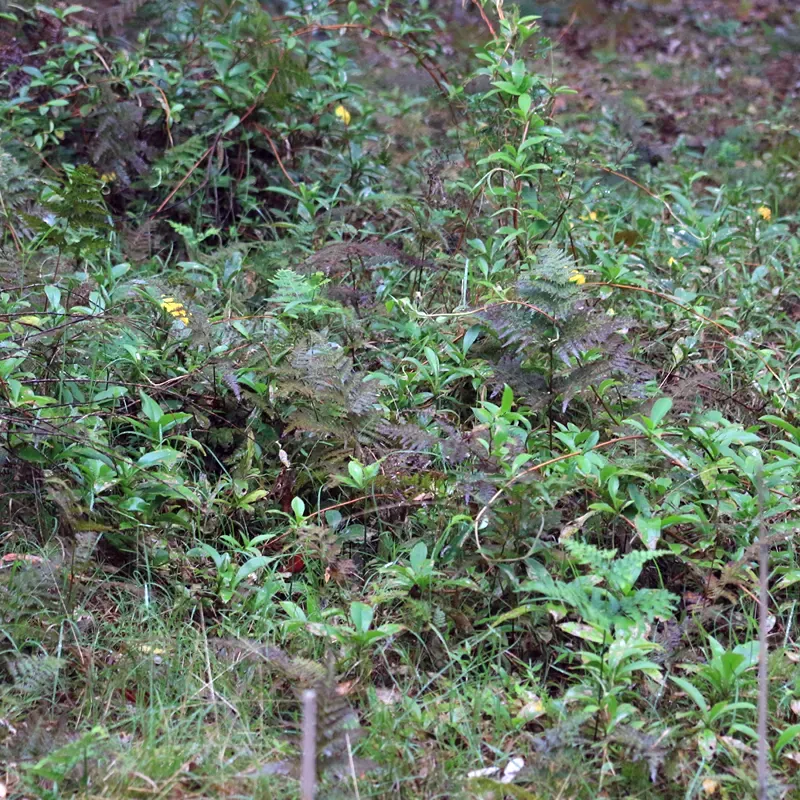
Climbing Guinea Flower
Hibbertia scandens
A vigorous climber with sunny yellow flowers, ready to cover an ugly fence in a single season.
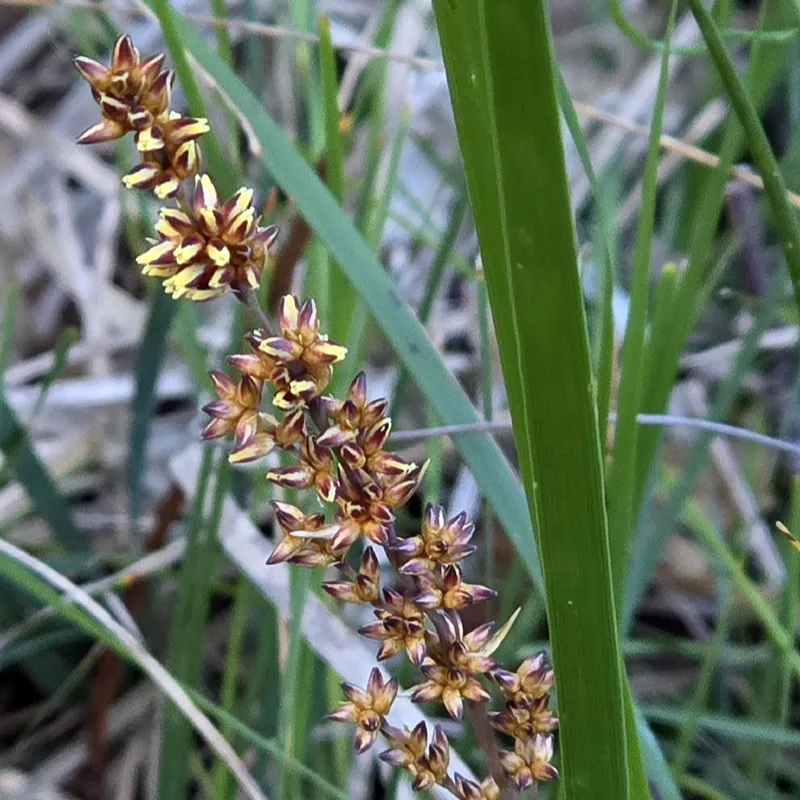
Spiny-headed Mat-rush
Lomandra longifolia
Tough clumps for steep banks, with roots that hold the soil together when the rain comes down hard.
Icons

Illawarra Flame Tree
Brachychiton acerifolius
Named for this region, and it earns it. It drops its leaves and turns blazing scarlet in late spring.

Cabbage Palm
Livistona australis
The tall, slender palm of the Illawarra's rainforest gullies, with fan leaves rattling high above the canopy.
Wollongong problems and what to plant
Wet, heavy soil. Plant on a slight mound so roots stay out of waterlogged ground. Rough up the walls of the planting hole with a fork, so roots work out into the clay rather than circling as if they're still potted. Lilly pillies, Cinnamon Myrtle and Yellow Tea Tree cope well.
Early afternoon shade under the escarpment. Choose rainforest and shade-tolerant plants: Native Ginger, Native Guava, Common Correa and Cinnamon Myrtle. Save the sun-lovers for the coastal side of town.
Steep blocks. Terrace if you can, even with simple timber sleepers, so water soaks in instead of racing downhill. Use clumping, deep-rooted plants like Spiny-headed Mat-rush to hold the soil, and mulch to slow the run-off.
Salt on the coast. Put Coast Banksia and Coastal Rosemary on the exposed side, and let them shelter everything else.
The bush edge. Escarpment gardens share the space with wildlife. Expect lyrebirds and brush turkeys to rake through mulch, and check yourself for ticks after weeding along the bush line.
Where to buy native plants in Wollongong
Wollongong has native specialists, community nurseries and garden centres, with more specialists towards Kiama and Berry. Check the list below for nurseries near you and who delivers.
Nurseries in Wollongong
Delivers to Wollongong
Native gardens to visit in Wollongong
Wollongong Botanic Garden in Keiraville sits at the foot of Mount Keira and has one of Australia's largest rainforest collections, with Illawarra rainforest species among them. It's free to enter and open daily, and it also manages the Mount Keira Summit Park lookout, where you can see the whole coastal plain spread out below.
Illawarra Grevillea Park in Bulli is a native plant garden set against the escarpment, with hundreds of grevilleas, a rainforest walk and native plants for sale. It only opens on the first two weekends of May, July and September, so mark the calendar.
Wollongong native gardening FAQ
When's the best time to plant natives in Wollongong?
Autumn, while the soil is warm. Wollongong's rainfall makes spring planting easier than in Sydney, too.
What natives grow in shade under the escarpment?
Rainforest plants such as Native Ginger, Native Guava, lilly pillies, Cinnamon Myrtle and correas.
Do natives need watering in Wollongong?
Less than in most places. New plants need water through their first dry spell, but established natives near the escarpment rarely need help.
What natives handle Wollongong's heavy soil?
Lilly pillies, Yellow Tea Tree, Swamp Oak and mat-rushes. Plant on a mound and rough up the planting hole.
Where can I see native gardens in Wollongong?
Wollongong Botanic Garden for rainforest, and Illawarra Grevillea Park on its open weekends.
Browse all natives or start with a guide: Drought-tolerant native plants, Low-maintenance native plants, Small native trees, Plants for shade, Plants that attract birds, Summer-flowering natives for cool-temperate gardens.
Get natives matched to Wollongong
Take the quiz with your exact postcode and we'll narrow this down to what actually suits your spot, not just the city average.
Take the quiz